Indonesia
 English
 Arabic
 French
 Spanish
 Portuguese
 Deutsch
 Turkish
 Dutch
 Italiano
 Russian
 Romaian
 Portuguese (Brazil)
 Greek
Особенности работы с цифровыми активами
Home |
2026-08-31 21:38:22
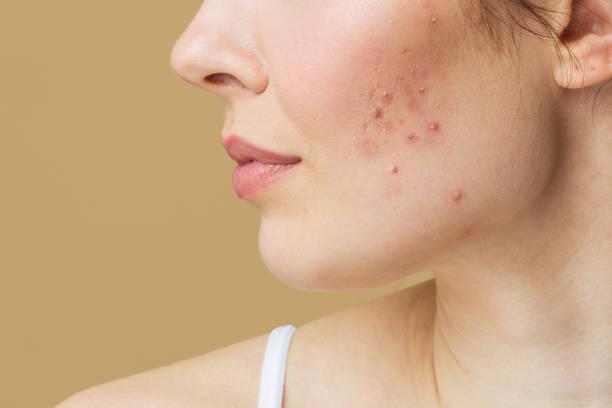
Persistent acne can be frustrating, especially when breakouts continue despite trying different skincare products and home remedies. Frequent pimples, painful cysts, clogged pores, and skin inflammation can affect your complexion and confidence. While mild acne may respond to basic skincare, stubborn or recurring breakouts often require professional dermatological attention. Choosing the right Acne Treatment in Riyadh can help identify the underlying causes of persistent acne and provide effective solutions based on your skin condition. With appropriate medical care, patients can manage breakouts, improve skin texture, and reduce the risk of long-term scarring.
Acne develops when excess oil, dead skin cells, and bacteria contribute to blocked pores and inflammation. Hormonal fluctuations, genetics, stress, and unsuitable skincare products can also make acne difficult to control. Treating visible pimples without addressing these underlying factors may lead to repeated breakouts. Professional Acne Treatment in Riyadh focuses on understanding individual skin concerns and selecting suitable dermatological treatments. A personalised treatment plan can help control inflammation, prevent new acne lesions, and support healthier-looking skin over time.
Persistent acne may indicate that ordinary skincare products are not sufficient to manage the condition. Leaving moderate or severe acne untreated can increase the likelihood of painful inflammation, dark spots, and permanent scars.
A dermatologist can examine your skin, identify the type of acne, and recommend appropriate treatment options. Professional assessment is particularly important when breakouts are painful, widespread, recurring, or affecting your confidence.
Modern dermatology offers several treatment options for people experiencing stubborn breakouts. The most suitable approach depends on acne severity, skin type, medical history, and individual treatment goals.
Topical medications are commonly recommended for persistent mild to moderate acne. They work by addressing clogged pores, excessive bacteria, and inflammation.
Common ingredients include:
Benzoyl peroxide: Helps reduce acne-causing bacteria and inflammatory breakouts.
Topical retinoids: Help unclog pores, regulate skin cell turnover, and prevent new acne lesions.
Azelaic acid: Helps manage acne and improve the appearance of post-acne dark spots.
Salicylic acid: Helps exfoliate the skin and clear clogged pores.
Dermatologists may recommend combining different topical ingredients to address multiple causes of acne.
Moderate to severe inflammatory acne may require oral antibiotics such as doxycycline. These medications help reduce bacterial activity and inflammation. They are generally prescribed for limited periods and combined with appropriate topical treatments to reduce antibiotic resistance. They should never be used without medical supervision.
Isotretinoin is a prescription medication that may be recommended for severe, scarring, or treatment-resistant acne. It works by reducing sebum production, helping prevent clogged pores, and reducing inflammation. Because it can cause significant side effects and serious birth defects if used during pregnancy, it requires strict medical supervision and appropriate monitoring.
Hormonal fluctuations can contribute to persistent acne, particularly in some adult women. Dermatologists may recommend hormonal treatments such as certain combined oral contraceptives or spironolactone when medically appropriate. These options help address hormonal influences on oil production and acne development.
Chemical peels use carefully selected exfoliating solutions to remove dead skin cells and improve pore congestion. Salicylic acid and glycolic acid peels may help manage selected acne concerns and improve skin texture. The treatment should be selected according to skin sensitivity and acne severity.
Certain laser and light-based procedures may help manage inflammatory acne, redness, and specific acne-related concerns. Different technologies target different skin structures, so treatment selection depends on individual requirements. These procedures are generally considered alongside established medical treatments rather than replacements for them.
Every person's skin responds differently to acne treatments. A dermatologist considers several factors before recommending a personalised treatment plan.
Acne severity: Mild, moderate, and severe acne require different treatment approaches.
Skin type: Oily, dry, combination, and sensitive skin may respond differently to active ingredients.
Medical history: Existing health conditions, medications, allergies, and previous treatments are considered.
Acne-related scarring: The presence of dark spots, depressed scars, or raised scars may influence treatment decisions.
Hormonal factors: Hormonal changes may require additional evaluation and targeted treatment.
This assessment helps ensure that treatment addresses the patient's actual skin concerns instead of relying on unsuitable products.
Professional treatment works best when combined with a consistent skincare routine. Simple daily habits can help maintain improvements and reduce common breakout triggers.
Cleanse gently: Wash your face twice daily with a mild cleanser.
Use non-comedogenic products: Choose skincare and makeup products that do not clog pores.
Moisturise regularly: Maintain skin hydration with a suitable lightweight moisturiser.
Apply sunscreen: Use broad-spectrum SPF 30 or higher to protect your skin and prevent dark spots from becoming more noticeable.
Avoid picking pimples: Squeezing acne lesions can increase inflammation and scarring.
Maintain healthy habits: Get sufficient sleep, manage stress, and follow a balanced diet.
Professional acne treatments can significantly reduce recurring breakouts by addressing factors such as clogged pores, excess oil production, and inflammation. However, acne may return because of hormonal fluctuations, genetics, and other triggers. Dermatologists may recommend maintenance treatments, regular skincare, and follow-up assessments to help maintain improvements. Consistency is important for long-term acne management.
You should consider professional advice if acne continues despite using suitable skincare products, becomes painful, spreads to multiple areas, or starts leaving permanent scars. Early treatment can help control inflammation and reduce the likelihood of lasting skin damage. Seeking professional guidance also helps prevent unnecessary experimentation with strong skincare ingredients or medications.
Persistent acne deserves professional attention and a treatment approach that considers your individual skin needs. Visit Royal Clinic Saudia for a professional skin assessment and personalised dermatological recommendations. Discuss your breakouts, previous treatments, and skincare concerns with the team to explore suitable solutions. Book your appointment and take an informed step towards clearer, healthier-looking skin.
The best treatment depends on acne severity and its underlying causes. Options include prescription topical medications, oral antibiotics, hormonal treatments, isotretinoin, and selected dermatological procedures.
Acne can often be controlled successfully, but some individuals experience recurring breakouts. Appropriate treatment and a consistent maintenance routine can help manage the condition over time.
Many acne treatments require approximately 6–8 weeks to show noticeable improvement. Severe or persistent acne may require several months of treatment and regular dermatological monitoring.
Yes. Early treatment can reduce inflammation and lower the risk of permanent scarring. Certain procedures, including microneedling and fractional laser treatments, may also improve existing acne scars.