Indonesia
 English
 Arabic
 French
 Spanish
 Portuguese
 Deutsch
 Turkish
 Dutch
 Italiano
 Russian
 Romaian
 Portuguese (Brazil)
 Greek
How to Train a Research Team to Follow Consistent Fish Identification Procedures
Other |
2026-11-26 07:24:15
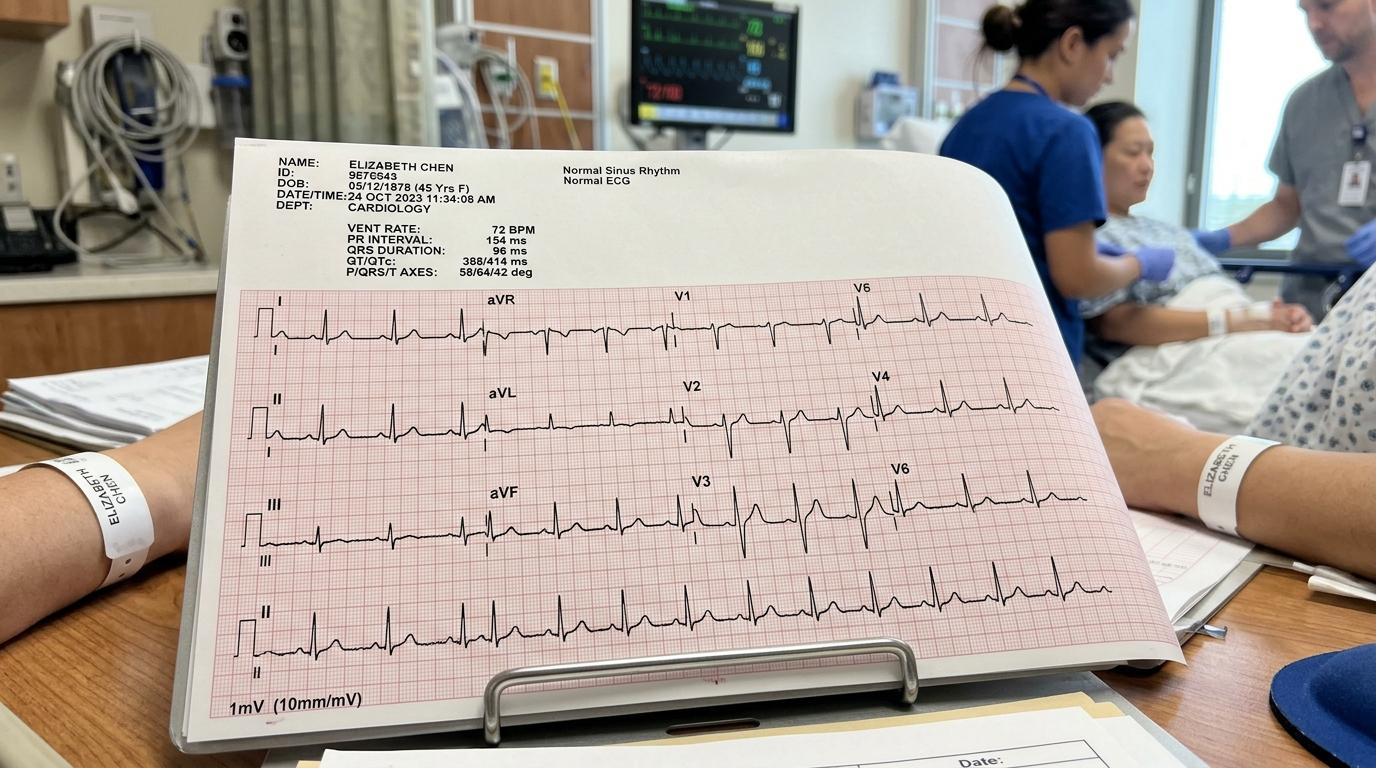
An electroencephalogram (EEG) is a diagnostic investigation that records the electrical activity of the brain. If a doctor recommends an EEG test in Bangalore to investigate unexplained neurological symptoms, understanding the preparation process, testing procedure and expected results can make the experience easier and less stressful.
An EEG is commonly recommended when a patient experiences seizures, unexplained episodes of confusion, unusual movements or other symptoms that may require neurological evaluation. Knowing what the test can and cannot establish helps patients prepare better and have a more productive discussion with their doctor.
The brain communicates through electrical signals generated by nerve cells. An EEG records these signals through small electrodes attached to the scalp.
Doctors may recommend this investigation to:
Evaluate suspected epilepsy.
Investigate unexplained seizures.
Assess certain sleep-related disorders.
Monitor selected neurological conditions.
Investigate episodes of altered awareness.
Support the evaluation of suspected brain inflammation.
The test does not involve sending electricity into the brain. Instead, it measures naturally occurring electrical activity.
An important consideration is that an EEG is only one part of neurological assessment. A normal recording does not automatically rule out epilepsy or every other neurological condition.
Patients often worry about discomfort because they see pictures of people wearing numerous wires around their heads. However, the procedure is generally painless.
During the examination, a trained professional measures the scalp and attaches small electrodes using a suitable conductive paste or adhesive.
These electrodes connect to recording equipment that captures brain activity.
Depending on the doctor's instructions, patients may be asked to:
Open and close their eyes.
Breathe deeply for a short period.
Look at flashing lights.
Remain relaxed while the recording continues.
The recording duration depends on the type of investigation ordered. A routine EEG often takes around an hour, although specialised recordings may take longer.
Preparation can influence recording quality. Patients should follow the diagnostic centre's instructions rather than assuming that every EEG requires identical preparation.
Wash your hair: Keep your scalp clean and dry before the appointment.
Avoid styling products: Do not apply hair gel, oil, wax or heavy conditioners that could interfere with electrode contact.
Discuss medications: Inform your doctor about prescribed medicines and supplements. Never discontinue medication independently.
Confirm food instructions: Routine EEG testing generally does not require fasting, but follow any specific instructions provided.
Ask about sleep: If a sleep-deprived EEG has been ordered, clarify exactly how much sleep restriction is required.
Arrange transport if necessary: Sleep deprivation or medication used for certain procedures may make driving unsafe.
Patients looking for an EEG test in Bangalore should also confirm whether their appointment is for a routine, sleep, sleep-deprived or ambulatory recording.
Not every neurological question can be answered using the same recording method.
|
EEG type |
Main purpose |
Important consideration |
|
Routine EEG |
Records brain activity during a standard session |
Usually completed during one appointment |
|
Sleep EEG |
Evaluates activity during sleep |
May require a longer appointment |
|
Sleep-deprived EEG |
Records activity after restricted sleep |
Requires specific preparation |
|
Ambulatory EEG |
Records activity during daily activities |
Requires wearing portable equipment |
|
Video EEG |
Combines electrical recording with video |
May involve extended monitoring |
Your neurologist decides which method is appropriate based on symptoms and clinical history.
An EEG report may describe normal background activity, abnormal electrical patterns or specific waveform changes.
Some abnormalities may support a diagnosis of epilepsy, but the interpretation depends on the patient's symptoms, medical history and other investigations.
For example, an unusual electrical pattern does not always mean that a person has epilepsy. Similarly, someone with epilepsy may have a normal recording during a particular examination.
Patients should avoid interpreting technical terms independently or changing treatment based on an isolated report.
Example 1: Unexplained episodes
A person experiences repeated short episodes of staring and temporary unresponsiveness. The doctor recommends EEG monitoring to investigate whether the episodes could be seizure-related.
The recording is interpreted alongside the description of the episodes and other clinical findings.
Example 2: Sleep-related concerns
A patient experiences unusual movements during sleep. A specialist may consider a sleep-related recording if the medical history suggests that monitoring brain activity during sleep could provide useful information.
The appropriate test depends on the suspected condition.
A hypothetical patient experiences two unexplained episodes of altered awareness. Following a consultation, the neurologist recommends a routine EEG.
Initially, the patient worries about pain and believes that medication must be stopped before testing.
The diagnostic team explains the electrode procedure, confirms preparation instructions and advises the patient to continue prescribed medication unless the treating doctor says otherwise.
The recording is completed without significant discomfort. The neurologist subsequently reviews the report alongside the patient's symptoms.
Lesson: Correct preparation and appropriate interpretation are more important than trying to understand the recording independently.
When arranging an investigation, patients should consider the availability of the prescribed test, trained technical staff, appointment convenience and a clear reporting process.
Ecotown Diagnostics lists EEG and other diagnostic services among its offerings in Bengaluru. Patients can contact the centre to confirm the specific recording method, appointment availability and reporting arrangements.
For anyone arranging an EEG test in Bangalore, confirming the exact test type before visiting can prevent unnecessary scheduling problems.
An EEG provides useful information about the brain's electrical activity and can support the investigation of several neurological conditions. However, it should always be interpreted alongside symptoms and clinical examination.
Prepare according to your doctor's instructions, clarify medication-related questions and choose the recording method recommended by your specialist.
No. The electrodes record electrical activity and do not deliver electrical shocks. Some people experience minor discomfort when adhesive or paste is removed.
Routine EEG generally does not require fasting. Follow the instructions provided by your diagnostic facility.
It can identify electrical patterns that support an epilepsy diagnosis, but results must be interpreted alongside symptoms and medical history.
A routine recording often takes around an hour. Sleep and extended monitoring procedures may require additional time.
Continue your prescribed medicines unless your treating doctor specifically instructs you otherwise.