Indonesia
 English
 Arabic
 French
 Spanish
 Portuguese
 Deutsch
 Turkish
 Dutch
 Italiano
 Russian
 Romaian
 Portuguese (Brazil)
 Greek
Liposuction in Riyadh: A Guide to Your Treatment Journey
Health |
2026-10-15 05:42:00
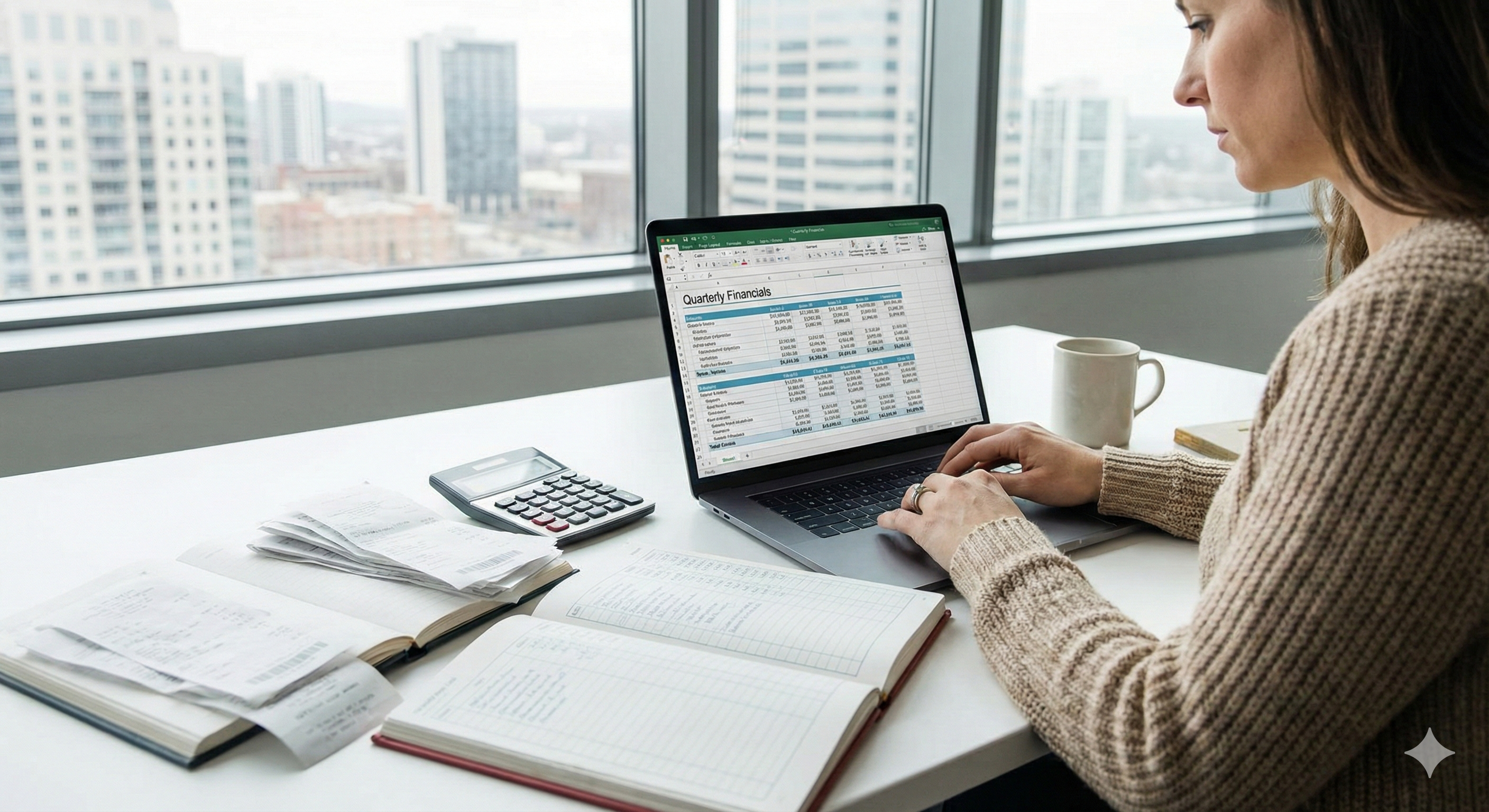
You expect an accountant to be someone who does your tax return once a year. What you usually get is a person who sees your bank feeds, your GST position, your payroll and your super, and who either advises on all of it as it happens or doesn't. The gap between those two pictures is where most disappointments start. The friendly firm from the first meeting turns out to be slow on the BAS. The fee that sounded fixed grows with every email you send. A handful of good questions up front settles most of that, and here are the ones worth asking.
The best questions to ask a prospective accountant cover five things: their registration, who does the work, what the fee includes, which software they use and how they handle contact from the ATO. When you approach a Bedford Accountant, treat the first meeting as a two-way interview, because the answers to those five tell you whether the firm fits how you operate.
The process itself is fairly standard. You have an initial call, which is usually free. The firm then sends a proposal and an engagement letter, the document that sets out what they will and won't do for you. Once you sign, onboarding begins. You authorise them as your agent in the ATO's online services, hand over prior-year returns and give them access to your bookkeeping file or bank feeds. Expect some back and forth in those first weeks, and expect it to be slower if your records are patchy.
Everything below is about what to settle before that signature.
Ask for their registration. It's a plain question and a good firm answers it without a pause.
Anyone who charges a fee to prepare tax returns or give tax advice in Australia must be a registered tax agent with the Tax Practitioners Board. Anyone who prepares your BAS for a fee needs to be a registered BAS agent, or a tax agent, who can do both. The Board keeps a public register, so you can confirm the name and registration number in a couple of minutes.
Then ask about professional membership. Chartered Accountants ANZ, CPA Australia and the Institute of Public Accountants all hold members to a code of conduct and ongoing training. Membership isn't a guarantee of quality, but it does mean there's a body you can complain to. And ask whether the firm carries professional indemnity insurance. If an error costs you penalties, you want to know there's something behind the advice.
Meeting the principal and being served by a graduate are two different experiences. Neither is bad, but you should know which one you're buying.
Ask who prepares your return, who reviews it and who you'll speak to when you've got a question on a Thursday afternoon. Ask how quickly they reply to emails, and put it in plain terms, such as one business day or two. A firm that can't name a turnaround probably doesn't track one.
Ask, too, whether anything is sent offshore. Plenty of reputable firms use outsourced data entry. That's fine, but you're entitled to know where your tax file number and bank details end up.
Fees are where the misunderstandings live. A fixed fee for an individual return is simple. A business is different, because the work shifts with transaction volume, payroll and how tidy your books are.
Put these to the firm directly.
Pay attention to the second and fourth items most of all. The cost of a fixed quote is rarely in the headline number. It's in the exclusions.
(If a firm won't put the exclusions in writing, that tells you plenty.)
Accountants aren't interchangeable. A firm that lives on sole trader returns and rental properties may be out of its depth with a trust distributing income to four family members.
Describe your setup honestly and ask how many clients they have like you. A tradie with a company and a trust needs different thinking from a freelance designer, a medical practitioner or someone with a self-managed super fund. For the super fund, ask whether they handle the annual audit themselves. They usually can't, because the SMSF auditor must be independent, so ask who they'd refer you to.
Structure matters most if you're running a growing business group, with several entities, shared costs and loans moving between them. Ask how they'd approach it, and whether they'd review your structure annually rather than just lodging whatever the last year looked like. A good answer includes the phrase "it depends", followed by questions about your goals.
Ask which cloud accounting platform they use and whether you can see your own numbers live. If you already run your books in one system and they insist on another, work out who pays for the switch.
Ask about Single Touch Payroll, the system that reports wages and super to the ATO each pay run, if you have staff. Ask who lodges it, and who chases you when it's late.
Then there's communication. Some firms check in quarterly. Others wait for you to call, which is how people end up discovering a tax bill in late June. Ask whether they'll give you a lodgment calendar and a reminder before each BAS due date. And ask how they'd handle an ATO letter, whether they'd respond on your behalf, and whether that's inside the fee.
Be wary if a firm promises a large refund before seeing a single document. Be wary, too, if they're vague about deductions, or push you towards aggressive schemes. Sound accountants talk about what you can claim and what records you'll need, and they're happy to say no.
Slow replies before you've signed are a bad sign. They don't improve afterwards.
Check the registration, find out who does the work, get the fee and its exclusions in writing, and test whether they understand your type of business. Ask how you'll communicate and how ATO matters are handled. If the answers are clear and the engagement letter matches what was said on the call, you've probably found a sound fit. If they're vague, keep looking.
Can I change accountants part way through the year?
Yes, you can change at any time. Your new accountant will usually ask the old one for your prior-year files and workpapers, and it helps to give written permission so nothing stalls.
Do I need an accountant or will a bookkeeper do?
A bookkeeper records transactions and reconciles accounts, while an accountant handles tax, structure and advice. Many small businesses use both. A bookkeeper who is also a registered BAS agent can lodge your BAS but can't prepare your income tax return.
What should I gather before the first meeting?
Bring your last two years of tax returns, your most recent BAS and a rough list of income sources. If you have a company or trust, bring the deed or company details too. Even a half-finished pile of paperwork makes the quote more accurate.
Is a local accountant better than an online one?
Neither is better by default. A local firm suits you if you want face-to-face meetings and someone who knows the area's trades and councils, while an online firm can suit a simple setup. What matters is registration and responsiveness.
How long does a tax return take?
A straightforward individual return can be turned around within days once your documents are in. Business returns take longer because the books must be reconciled first. Late records are the usual cause of delay.
Will my accountant talk to the ATO for me?
Yes, once you've nominated them as your agent, they can deal with the ATO on your behalf. They'll still need you to supply information and sign off on key lodgments.
What happens if my accountant makes a mistake?
Raise it in writing straight away so the return can be amended. If the error caused penalties or interest, ask whether their professional indemnity insurance responds. A professional body or the Tax Practitioners Board is the next step if you can't resolve it.