Indonesia
 English
 Arabic
 French
 Spanish
 Portuguese
 Deutsch
 Turkish
 Dutch
 Italiano
 Russian
 Romaian
 Portuguese (Brazil)
 Greek
Elizabeth Bradley Explores Love in Broken Vows
Networking |
2026-11-16 11:01:31
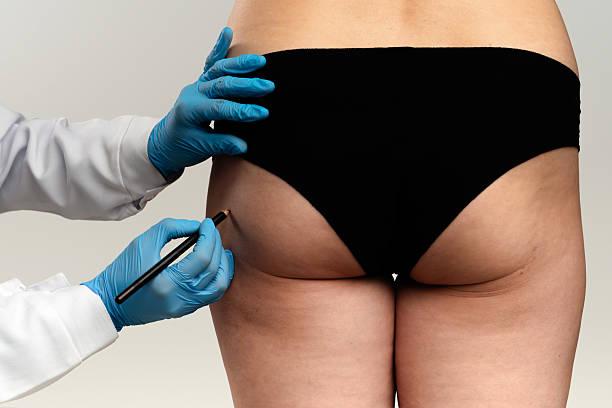
Modern cosmetic surgery has evolved significantly, offering individuals different approaches to improving body contours and addressing stubborn fat deposits. Among these procedures, liposuction in Riyadh has become an important option for people interested in refining their body shape through targeted fat removal. Advances in surgical techniques, treatment planning, and medical technology have helped make liposuction a more individualized procedure.
The success of body contouring surgery depends on several factors, including the patient's anatomy, fat distribution, skin elasticity, and the surgeon's technical expertise. Surgical precision plays an especially important role because every body has different proportions and structural characteristics. Rather than following a standard approach, modern liposuction focuses on understanding individual needs and developing suitable treatment strategies.
As interest in aesthetic treatments continues to grow, liposuction in Saudi Arabia is attracting attention from individuals seeking information about available techniques, treatment suitability, and expected outcomes. Understanding how surgical precision influences the procedure can help patients make informed decisions about their aesthetic goals.
Surgical precision refers to the careful planning and controlled execution of a procedure. In liposuction, it involves identifying specific fat deposits, evaluating the surrounding tissues, and removing unwanted fat while maintaining natural-looking body proportions.
Fat is not distributed evenly throughout the body. Some individuals experience persistent deposits around the abdomen, waist, thighs, hips, or upper arms. These areas may remain resistant to lifestyle changes, making surgical body contouring an option worth discussing with a qualified surgeon.
Precision is important because removing excessive fat from one area can affect the body's overall appearance. A carefully planned procedure considers how different body regions relate to one another. This approach aims to create smoother transitions and balanced contours rather than focusing exclusively on reducing volume.
Modern liposuction therefore involves more than fat removal. It requires an understanding of anatomy, tissue characteristics, and the relationship between treated and untreated areas.
Advancements in cosmetic surgery have introduced different techniques for removing unwanted fat. Traditional liposuction remains an established approach, while newer methods use additional technologies to assist surgeons during treatment.
Traditional liposuction generally involves making small incisions and inserting a thin tube called a cannula beneath the skin. The cannula is used to loosen and remove unwanted fat through suction.
This technique allows surgeons to address selected areas of the body with controlled movements. Its suitability depends on the patient's anatomy, treatment objectives, and overall health.
Power-assisted liposuction uses a mechanically powered cannula that produces small movements to help loosen fat tissue. This technology may assist with fat removal in selected treatment areas.
The technique requires appropriate patient assessment and surgical expertise. Its benefits and suitability vary depending on the individual's body characteristics.
Ultrasound-assisted liposuction uses energy to help break down fat tissue before it is removed. The technique may be considered for particular anatomical areas and treatment requirements.
Careful energy application is essential because surrounding tissues must be protected throughout the procedure.
Laser-assisted liposuction uses laser energy to affect fat cells before their removal. Some techniques may also produce tissue-heating effects, although skin tightening results can vary.
The choice of technique should always be based on individual assessment rather than assuming that newer technology automatically provides better results.
Every individual has a different body structure, which makes personalized treatment planning essential. Factors such as fat thickness, skin quality, muscle structure, and natural body proportions can influence how liposuction is performed.
A surgeon typically examines the areas where fat deposits are concentrated and evaluates whether the skin is likely to adapt to the new contours after fat removal.
For example, someone with good skin elasticity may experience different contour changes compared with someone who has loose or less elastic skin. Liposuction removes fat but does not directly correct significant excess skin.
The patient's medical history, previous procedures, lifestyle, and expectations are also relevant to determining suitability. This detailed assessment helps establish realistic treatment objectives and reduces the likelihood of pursuing an unsuitable procedure.
In liposuction in Saudi Arabia, personalized planning is an important consideration for individuals exploring modern body contouring options.
One of the main objectives of modern liposuction is to create balanced body contours. Removing too much fat from a particular region can result in visible irregularities, uneven surfaces, or disproportionate changes.
Controlled fat removal allows the surgeon to consider the natural shape of the body while addressing targeted deposits. The objective is not necessarily to remove the maximum amount of fat but to achieve an appropriate contour based on the patient's anatomy.
The depth and distribution of fat also influence surgical decisions. Superficial and deeper fat layers have different anatomical characteristics, so treatment requires careful consideration of the surrounding tissues.
A balanced approach may help reduce the risk of contour irregularities, although no surgical technique can guarantee a perfectly smooth result.
Liposuction can be performed on several body regions, depending on individual suitability and treatment objectives. Identifying the appropriate areas requires a physical examination and an understanding of the patient's desired outcome.
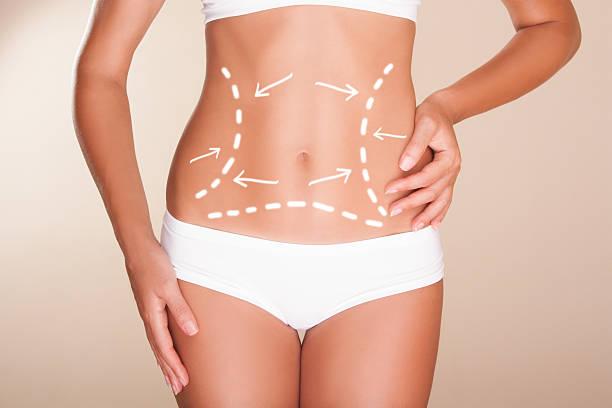
The abdomen and waist are frequently considered for fat removal because stubborn deposits in these areas can affect the body's overall silhouette. Liposuction may help refine these regions when excess localized fat is present.
However, it is not a replacement for abdominal muscle repair or procedures designed to remove significant excess skin.
Fat distribution around the thighs and hips can influence the relationship between the upper and lower body. Targeted liposuction may help refine these areas while maintaining natural proportions.
Some individuals develop persistent fat deposits around the upper arms. Liposuction may be considered when the skin has sufficient elasticity and the patient's expectations are realistic.
The back and flanks can develop localized fat deposits that affect the body's side and rear contours. Careful treatment planning is necessary to maintain smooth transitions between surrounding regions.
Technology can support modern liposuction procedures, but the surgeon's knowledge and technical ability remain central to treatment planning and execution.
Understanding anatomical structures helps surgeons identify appropriate treatment areas and determine how much fat can reasonably be removed. Precision also involves controlling instrument movement, maintaining consistent treatment depth, and considering the relationship between different body regions.
Medical equipment should be selected according to the procedure's requirements rather than used simply because it represents the latest technology.
A qualified surgeon should explain the available techniques, possible limitations, potential complications, and expected recovery process. Patients should also have an opportunity to discuss their concerns before deciding whether to proceed.
Choosing an appropriately qualified professional and an accredited medical facility is an important part of approaching liposuction safely.
Recovery is an important stage of the liposuction process. Although the procedure removes fat during surgery, the final appearance develops gradually as swelling decreases and tissues recover.
Patients may experience temporary bruising, swelling, discomfort, and changes in skin sensation. The intensity and duration of these effects vary according to the treatment area, surgical technique, and individual healing response.
Compression garments may be recommended to support the treated areas during recovery. Patients should follow their surgeon's instructions regarding wound care, physical activity, medications, and follow-up appointments.
Several factors can influence the final outcome, including skin elasticity, the amount of fat removed, surgical technique, and the body's healing response.
Maintaining a stable weight after surgery is also important because remaining fat cells can increase in size with weight gain. Liposuction is intended for body contouring rather than general weight reduction or obesity treatment.
Understanding these factors helps patients develop realistic expectations about the procedure and its long-term results.
Liposuction is not appropriate for every individual. Good candidates are generally people who are close to their desired body weight but have localized fat deposits that do not respond easily to lifestyle measures.
Overall health, skin condition, medical history, and personal expectations all influence suitability. Individuals with certain medical conditions, significant skin laxity, or unrealistic expectations may require alternative approaches.
A detailed consultation allows the surgeon to evaluate these factors and explain whether liposuction is appropriate.
Patients considering liposuction in Saudi Arabia should also understand that individual results differ. The procedure cannot guarantee a particular body shape, eliminate cellulite, or prevent future weight changes.
Modern liposuction is designed to remove localized fat deposits and improve body contours. It focuses on selected areas rather than serving as a general weight-loss treatment.
Surgical precision helps surgeons control fat removal, consider natural body proportions, and address specific treatment areas. Careful technique may help reduce contour irregularities, although results cannot be guaranteed.
Common treatment areas include the abdomen, waist, hips, thighs, upper arms, back, and flanks. The appropriate areas depend on individual anatomy and medical suitability.
Liposuction is primarily intended for individuals with localized fat deposits rather than those seeking significant weight loss. Patients should discuss their weight, health, and treatment expectations with a qualified surgeon.
Initial changes may become noticeable as swelling decreases. However, the final contour can take several months to develop, depending on the extent of treatment and individual healing.
Fat cells removed during liposuction do not normally return, but remaining fat cells can enlarge if a person gains weight. Maintaining a stable weight and healthy lifestyle can help preserve the results.
Surgical precision has become an important part of modern liposuction, influencing how surgeons evaluate body proportions, select treatment techniques, and approach targeted fat removal. Advances in medical technology have expanded the available options, but individual anatomy, professional expertise, and appropriate treatment planning remain essential considerations.
For individuals researching liposuction in Saudi Arabia, understanding the procedure, recovery process, potential limitations, and realistic outcomes is an important step toward making an informed decision. A personalized consultation can help determine whether surgical body contouring aligns with individual needs and expectations.
Enfield Royal Clinic Saudi can be considered as a starting point for individuals seeking information about aesthetic treatment options and modern body contouring approaches. Before choosing any procedure, patients should prioritize consultation with a qualified plastic surgeon, review the available treatment options, and ensure that their decisions are based on medical suitability and realistic expectations.