Indonesia
 English
 Arabic
 French
 Spanish
 Portuguese
 Deutsch
 Turkish
 Dutch
 Italiano
 Russian
 Romaian
 Portuguese (Brazil)
 Greek
Syna World Beanie The Essential Streetwear Accessory
Shopping |
2026-10-27 06:04:47
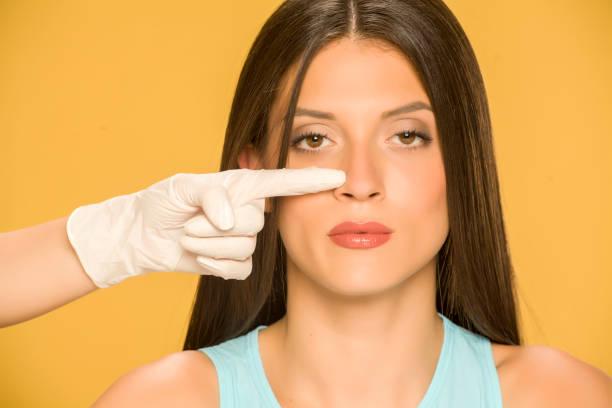
Rhinoplasty is a surgical procedure designed to reshape the nose, improve facial proportions, and correct certain structural concerns that may affect breathing. One of the most common questions people ask before considering nose reshaping surgery is whether the results are permanent or require future maintenance. Unlike temporary cosmetic treatments, rhinoplasty involves modifying the underlying nasal bone and cartilage to create lasting structural changes. Many individuals researching Rhinoplasty in Riyadh (عملية تجميل الانف في الرياض) want to understand how long they can enjoy their new nasal appearance and whether the results will change over time. In most cases, rhinoplasty results are long-lasting and can remain for a lifetime once the nose has fully healed.
Although rhinoplasty provides lasting improvements, the nose continues to experience natural changes as the body ages. Skin elasticity, tissue structure, and other age-related factors may gradually influence the appearance of the nose. Patients considering Rhinoplasty in Riyadh should understand that permanent structural changes do not prevent the natural aging process. The final outcome also depends on surgical technique, individual anatomy, healing response, and postoperative care. Understanding these factors helps patients develop realistic expectations about the long-term appearance of their nose.
Rhinoplasty results are generally considered permanent because the procedure modifies the underlying bone and cartilage rather than temporarily changing the appearance of the nose. Once the healing process is complete, the reshaped nasal structures usually maintain their new position and contour.
However, permanent does not mean that the nose will look exactly the same throughout life. Natural aging, skin changes, injuries, and other factors may gradually influence its appearance.
For most patients, the improvements achieved through rhinoplasty remain noticeable for many years without requiring additional cosmetic treatment.
Rhinoplasty results can last a lifetime when the surgery heals successfully and no significant complications or injuries occur. The initial recovery period generally takes several weeks, while complete nasal refinement may require 12 months or longer.
Once the tissues have settled, the new nasal shape usually remains stable. However, subtle changes may occur over time due to natural aging and changes in the surrounding facial structures.
The long-term outcome depends on several factors, including:
Surgical technique: Appropriate reshaping and structural support help maintain the nasal contour.
Cartilage strength: The quality and stability of the cartilage influence long-term nasal shape.
Skin characteristics: Skin thickness and elasticity affect how the nose changes with age.
Healing response: Individual tissue recovery can influence the final appearance.
Postoperative care: Following medical instructions helps protect the nose during recovery.
Although rhinoplasty provides lasting structural changes, several factors may influence how the nose looks over the years.
Aging affects every part of the face, including the nose. Over time, skin elasticity decreases, soft tissues change, and the supporting structures may gradually become less firm.
These natural changes can influence nasal definition and tip position. However, they do not usually reverse the structural improvements made during surgery.
The thickness and quality of nasal skin play an important role in how surgical results appear over time. Thicker skin may take longer to settle after surgery, while thinner skin may reveal underlying structural details more clearly.
As skin elasticity changes with age, the appearance of the nose may also gradually evolve.
Cartilage and bone provide the structural support of the nose. Their strength and arrangement influence how well the reshaped nose maintains its contour.
A carefully planned procedure aims to preserve adequate structural support while achieving the desired appearance.
An injury to the nose after surgery may affect the results. Accidents, sports-related impacts, or other trauma can potentially shift nasal structures or damage supporting tissues.
Patients should protect their nose from unnecessary impact, especially during the initial healing period.
The surgical approach plays an important role in achieving stable results. The surgeon must consider nasal anatomy, cartilage strength, skin characteristics, and facial proportions when planning the procedure.
Proper surgical planning helps create a balanced nasal structure while maintaining appropriate support and breathing function.
Yes. Although rhinoplasty results are generally long-lasting, the nose continues to age naturally. Changes in skin elasticity, cartilage support, and surrounding facial tissues may gradually influence its appearance.
As people age, the supporting structures of the nose may change. In some individuals, the nasal tip can gradually become less defined or appear slightly lower.
Skin may become thinner, less elastic, or develop additional wrinkles over time. These changes can affect the appearance of the nasal surface without necessarily changing the underlying surgical structure.
The cheeks, chin, jawline, and other facial features also change with age. As these surrounding structures evolve, the nose may appear somewhat different in relation to the rest of the face.
Rhinoplasty is not generally considered a reversible procedure because it involves permanent modifications to the nasal structure. However, additional surgery may sometimes be performed to address certain concerns or change aspects of the original result.
Revision rhinoplasty is a secondary surgical procedure performed to correct structural irregularities, functional problems, or aesthetic concerns following an earlier operation.
It may be considered when patients experience persistent asymmetry, breathing difficulties, or dissatisfaction with their healed results. Revision procedures can be more complicated because the surgeon must work with previously modified tissues.
Surgeons generally recommend allowing sufficient time for the nose to heal before considering elective revision surgery. This often means waiting at least 12 months, although the appropriate timing depends on the individual situation.
Earlier assessment may be necessary if a medical complication develops.
Although the structural improvements are generally permanent, protecting the nose during recovery and maintaining healthy habits can support the long-term outcome.
Follow the surgeon's recommendations regarding medication, cleaning, sleeping positions, and follow-up appointments. Proper aftercare is particularly important during the early healing stages.
Avoid contact sports and activities that may cause nasal trauma until medically cleared. Even after recovery, protecting the nose from significant impacts remains important.
Using appropriate skincare and sun protection can help maintain healthy nasal skin. Patients should follow professional recommendations regarding skincare products and treatments after surgery.
Smoking can interfere with circulation and tissue healing. Avoiding tobacco and nicotine according to medical advice can support recovery and overall tissue health.
Regular follow-up visits allow the surgeon to monitor healing, assess the nasal structure, and address any concerns that may arise.
Rhinoplasty can address cosmetic concerns and certain structural abnormalities that affect nasal airflow. When functional corrections are included, the procedure may provide lasting improvements in breathing.
For example, septoplasty may be performed alongside rhinoplasty to correct a deviated septum. However, long-term breathing outcomes depend on the underlying condition, surgical results, and other factors such as allergies or nasal inflammation.
It is important to understand that rhinoplasty does not prevent every future nasal or breathing problem. Patients should discuss their functional goals and medical history during consultation.
If you are considering nose reshaping surgery and want to understand its long-term benefits, a professional consultation is an important first step. At Royal Clinic Saudia (عيادات رويال كلينك), you can discuss your nasal concerns, explore suitable surgical approaches, and learn how individual anatomy and healing may influence your results. Book an appointment to receive an individual assessment and professional guidance about your rhinoplasty goals.
Rhinoplasty results are generally long-lasting and can remain for a lifetime. However, natural aging, skin changes, and accidental injuries may gradually influence the appearance of the nose.
Yes. The nose continues to experience natural aging, which can affect skin elasticity, cartilage support, and nasal tip definition. These changes are usually gradual.
Most patients do not need another procedure if their initial surgery heals successfully. Revision rhinoplasty may be considered if structural problems, functional concerns, or significant aesthetic irregularities develop.
Following postoperative instructions, avoiding nasal injuries, maintaining healthy habits, protecting the skin, and attending follow-up appointments can help support long-lasting results.