Indonesia
 English
 Arabic
 French
 Spanish
 Portuguese
 Deutsch
 Turkish
 Dutch
 Italiano
 Russian
 Romaian
 Portuguese (Brazil)
 Greek
Better Warehousing for a More Reliable Supply Chain
Other |
2026-10-28 05:12:34
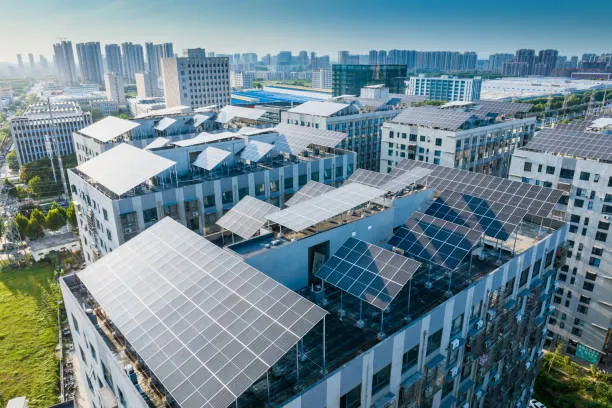
Buildings are increasingly being designed to perform more efficiently while accommodating renewable energy generation within their physical structures. This shift is encouraging architects, developers, engineers, and building owners to consider solar technologies as part of the building envelope rather than treating energy generation as a separate installation. The approach connects architectural design, energy performance, material selection, and sustainability objectives.
Building Integrated Photovoltaics refers to solar-generating building components that can replace or supplement conventional materials used in areas such as roofs, façades, skylights, windows, and shading structures. The concept combines a building function with electricity generation, creating integrated solar building solutions that can be incorporated during new construction or, in selected applications, during renovation and retrofitting.
The growing interest in building-integrated solar technologies reflects a broader transition toward energy-efficient construction. Instead of allocating separate space for conventional solar modules, integrated systems can become part of the building envelope. This can be particularly relevant for structures where roof space is limited or where façades, windows, awnings, and other surfaces offer additional opportunities for solar generation.
One important factor supporting adoption is the increasing emphasis on sustainable building design. Buildings consume substantial amounts of energy throughout their operating life, while construction decisions can influence long-term energy performance. Integrating renewable generation into building components provides an opportunity to address electricity production alongside architectural and envelope requirements.
The U.S. Department of Energy describes building-integrated solar applications as technologies that can replace conventional building materials with solar-generating materials across components such as roofs, skylights, façades, windows, awnings, and other structures. The agency also highlights the potential for these systems to create additional deployment opportunities where conventional rooftop installations may not be practical. U.S. Department of Energy
Another factor is the increasing focus on corporate and institutional sustainability objectives. Commercial buildings, offices, retail properties, industrial facilities, educational institutions, and public infrastructure can have significant energy requirements. Solar-generating building components can therefore form part of broader strategies focused on renewable energy adoption, energy efficiency, and lower operational impacts.
Roofing is one of the most established areas for integrated solar applications because roof surfaces can accommodate energy-generating materials while continuing to provide weather protection. Solar roofing products can include integrated modules and photovoltaic shingles designed to operate as part of the roof structure rather than being mounted separately above an existing surface.
Façades and vertical surfaces represent another area of interest, particularly for commercial and high-rise buildings. Tall structures may have considerably more exterior wall area than roof area, creating opportunities for solar façades and wall-integrated systems. However, orientation, shading, architectural requirements, and available solar exposure can influence the effectiveness of these applications.
Solar glass and photovoltaic windows provide another pathway for integrating renewable generation into buildings. These products can combine glazing functions with electricity generation and may be considered for windows, curtain walls, skylights, and other transparent or semi-transparent building components. Their development also creates a closer connection between solar technology, architectural aesthetics, daylight management, and thermal performance.
Integrated solar products can use different photovoltaic technologies depending on the application, performance requirements, design constraints, and material configuration. Silicon-based technologies remain important within the broader photovoltaic ecosystem, while thin-film and other technologies can offer characteristics that may be useful for particular architectural applications, including lightweight or flexible designs.
Design requirements extend beyond electricity generation. A successful system must also satisfy expectations associated with the building component it replaces or supplements. Roofing applications, for example, need to address durability, weather resistance, installation, and maintenance. Similarly, photovoltaic glazing needs to consider transparency, appearance, thermal behavior, safety, and long-term reliability alongside energy generation.
Despite the potential of integrated solar applications, adoption involves several technical and commercial challenges. Higher upfront costs can influence purchasing decisions, particularly when specialized building materials, customized designs, installation processes, or additional engineering requirements are involved. The financial assessment can also become more complex because the product provides both a construction function and an energy-generation function.
Standardization and certification represent another important consideration. Integrated products sit at the intersection of the construction and solar industries, meaning they may need to satisfy requirements associated with both fields. The U.S. Department of Energy has identified performance requirements, standards, code compliance, supply-chain integration, design processes, and product reliability among the issues affecting wider deployment. DOE BIPV challenges and opportunities summary
Maintenance and replacement can also require careful planning. Conventional solar panels are generally accessible for inspection or replacement, whereas an integrated component may simultaneously serve as part of a roof, façade, window, or other building element. This makes durability, monitoring, serviceability, and supply-chain continuity important considerations during product selection and building design.
The development of integrated solar technologies points toward a construction model in which energy generation is considered earlier in the architectural and engineering process. Instead of adding renewable energy systems after a building has been designed, developers can consider energy-producing materials alongside structural, aesthetic, thermal, and functional requirements.
This approach may be particularly relevant to new commercial developments, energy-conscious residential projects, public infrastructure, and renovation programs where building-envelope improvements are already being considered. Its long-term development will depend on product costs, design flexibility, performance, regulatory frameworks, installation expertise, and the ability of manufacturers and construction stakeholders to work within established building supply chains.
As sustainable construction continues to evolve, solar-generating roofs, façades, windows, shading elements, and other building components are likely to remain an important area of technological development. The broader significance lies in combining renewable electricity generation with the everyday functions of the built environment, potentially making energy performance a more integrated part of architectural and construction decision-making.