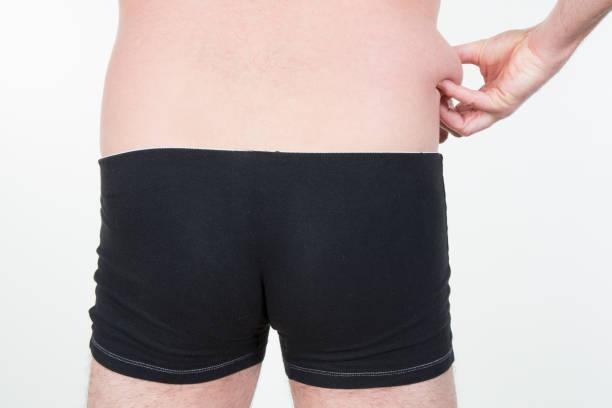
Butt fat can feel personal—like a flaw you're fighting alone. But it's not random, and it's not a character judgment. Where your body stores fat is determined by a combination of genetics, hormones, lifestyle patterns, and age, and for many men, the glutes and hips are simply where fat accumulates most readily. How can men lose butt fat? Understanding why this happens is the first step toward reducing it effectively. explains the reasons men gain fat in the buttocks and provides a practical, sustainable plan to reverse the trend.
Reason One: Genetics and Fat Distribution
Genetics play a leading role in where fat is stored. Some men naturally deposit more fat in the hips and glutes; others store it in the abdomen or chest. This pattern is inherited and influenced by the hormonal environment your genes help shape. It explains why two men with similar habits and body fat percentages can look completely different. Genetics determine the pattern—not whether you can lose fat. Fat loss remains possible regardless of your distribution; it just may follow a different timeline in stubborn areas.
Reason Two: Hormonal Influences
Hormones direct fat storage. Testosterone supports favorable fat distribution and muscle mass; when levels decline—through aging, poor sleep, stress, or excess fat itself—the body tends to store more fat in the hips and glutes. Estrogen, produced in small amounts in men, promotes fat storage in these areas when elevated, and fat tissue itself converts testosterone into estrogen, creating a cycle. Cortisol, elevated by chronic stress, encourages fat storage around the hips and midsection. Insulin resistance further promotes fat retention. Hormones aren't destiny, but they explain much of the pattern.
Reason Three: Sedentary Lifestyle and Sitting
Prolonged sitting reduces daily energy expenditure and deactivates the gluteal muscles, which can weaken over time and lose tone. A desk job combined with a couch-based evening creates hours of inactivity that add up to a significant calorie surplus over weeks and months. Sitting doesn't directly deposit fat in the glutes, but it creates the conditions—reduced expenditure and muscle deactivation—that promote fat gain and a softer appearance in the area. Daily movement is the practical antidote.
Reason Four: Calorie Surplus Over Time
Fat gain, regardless of location, ultimately comes down to energy balance: consuming more calories than you burn. The surplus doesn't have to be dramatic—a few hundred extra calories daily can add up to meaningful fat gain over months. Liquid calories, larger portions, frequent snacking, and reduced activity all contribute quietly. This is why awareness matters: most men underestimate their intake and overestimate their activity, and the gap explains gradual weight gain that seems to appear "out of nowhere."
Reason Five: Age-Related Changes
As men age, hormonal shifts—including gradually declining testosterone—favor fat storage and muscle loss. Metabolism slows modestly, often because activity levels decline rather than because of biology alone. Sleep quality frequently worsens, and stress accumulates. These changes make fat gain more likely and fat loss slower, but they don't make it impossible. Age adjusts the timeline; it doesn't eliminate the solution.
How to Reduce Butt Fat: The Strategy
Reducing butt fat requires addressing the whole system: a moderate calorie deficit (300–500 calories daily) to reduce overall fat, adequate protein (1.6–2.2 grams per kilogram) to preserve muscle, and consistent strength training to build and maintain glute muscle. Add daily movement—8,000–10,000 steps—to increase expenditure, prioritize seven to nine hours of sleep, manage stress, and limit alcohol. Track measurements, photos, and clothing fit rather than relying on the scale. This combination works with your biology rather than against it.
Why Patience Is Non-Negotiable
Because glute fat is often stored readily and released last, visible change takes time—typically 8–12 weeks for initial improvements and several months for clearly noticeable results. Men who expect rapid change quit during normal plateaus, abandoning plans that were working. Track multiple metrics so gradual progress stays visible, extend timelines when needed, and remember that the area changing last doesn't mean it isn't changing. Patience is a strategic advantage, not passive waiting.
When to Seek Professional Guidance
If you've maintained a genuine deficit and consistent training without progress, or if you suspect hormonal factors, professional evaluation can help. An assessment can identify obstacles—hormonal imbalances, dietary patterns, recovery gaps, or training quality—and provide personalized direction. For men who want expert guidance in addressing stubborn glute fat, a consultation with qualified professionals offers accountability and tailored strategies.
Final Thoughts: Understand the Cause, Apply the Solution
Men gain butt fat because of genetics, hormones, sedentary patterns, calorie surplus, and age—factors that explain the pattern but don't determine your future. Reduce overall fat with a moderate deficit, preserve and build glute muscle with strength training and protein, increase daily movement, and support recovery with sleep and stress management. Understand why it happened, then apply what works. The pattern may be inherited; the outcome is not.
Book an Appointment Consultation Clinic
For those seeking expert guidance and customized aesthetic care, you can book an appointment consultation at the Enfield Royal Riyadh.
FAQs
Why do men gain fat in the buttocks?
Genetics, hormonal shifts, sedentary habits, calorie surplus, and age all influence glute fat storage patterns.
Can hormonal imbalance cause butt fat?
Yes—low testosterone, elevated cortisol, and estrogen activity can shift fat storage toward hips and glutes.
Does sitting cause butt fat?
Indirectly—it reduces energy expenditure and deactivates glutes, promoting fat gain and muscle loss over time.
How can men reduce butt fat effectively?
A moderate deficit, high protein, strength training, daily movement, sleep, and stress management—applied consistently.
How long does it take to reduce butt fat?
Initial changes appear in 8–12 weeks; clearly visible results typically take several months of consistent effort.
 Indonesia
 English
 Arabic
 French
 Spanish
 Portuguese
 Deutsch
 Turkish
 Dutch
 Italiano
 Russian
 Romaian
 Portuguese (Brazil)
 Greek