Indonesia
 English
 Arabic
 French
 Spanish
 Portuguese
 Deutsch
 Turkish
 Dutch
 Italiano
 Russian
 Romaian
 Portuguese (Brazil)
 Greek
Star Talent Productions: A Complete Guide to Dance Competitions and the 2027 Tour
Other |
2026-10-08 14:26:43
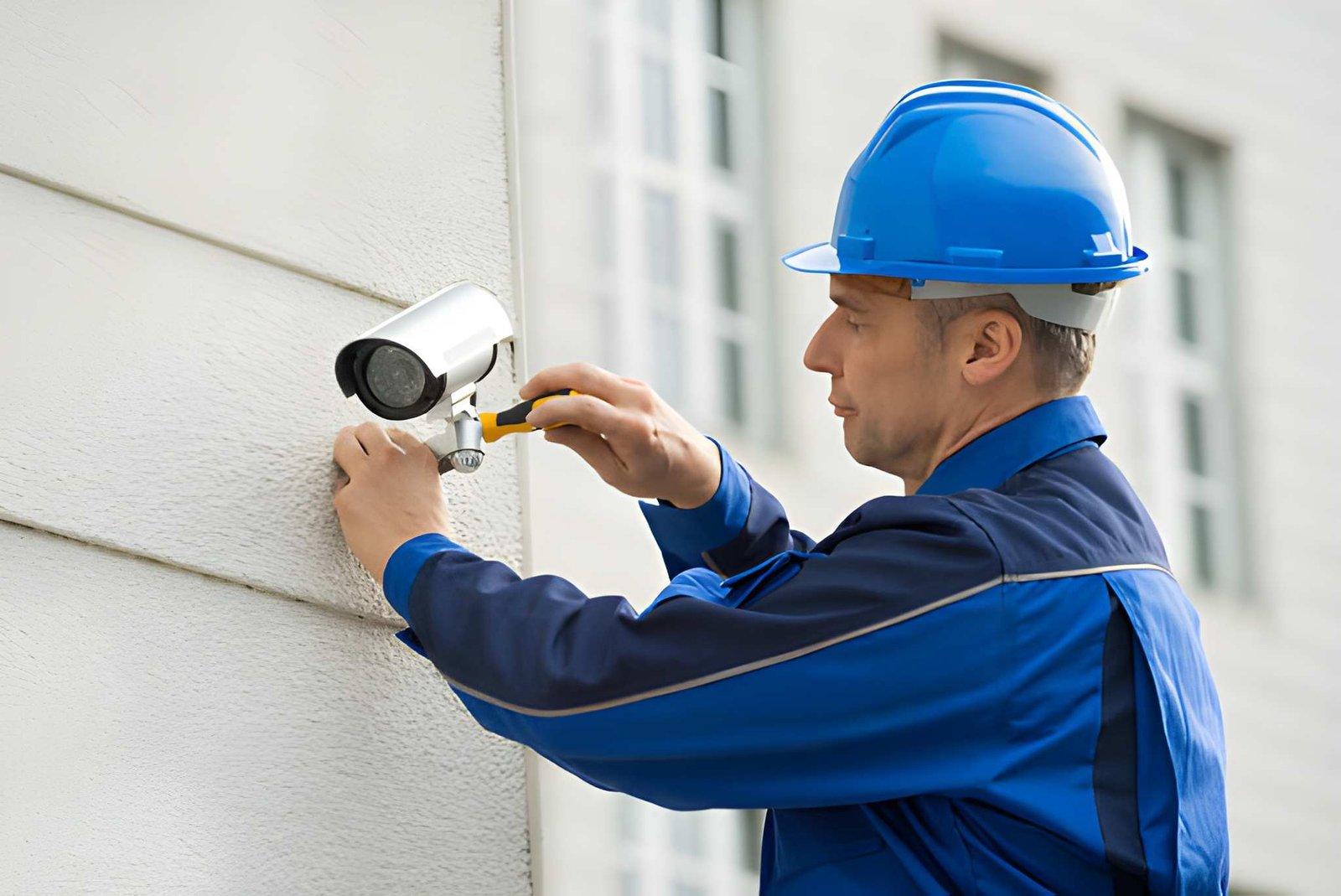
CCTV installation is more than mounting cameras on a wall. The placement, cabling, recording setup and access controls all determine whether a system is useful or frustrating. What professional installation involves, why each step matters, and how Smart Living Technology approaches projects across the UAE. Where an outcome depends on your property, budget or local rules, we say so instead of promising a result.
A complete installation usually includes more than the cameras themselves:
Site assessment: reviewing entry points, blind spots, lighting and cable routes
Camera selection and placement: matching camera type and position to each area
Cabling and power: running data and power lines, often through Power over Ethernet (PoE)
Recording setup: configuring a recorder (NVR or DVR) or cloud storage
Remote access: setting up phone or computer viewing with secure logins
Testing and handover: checking image quality, recording and alerts, then showing you how to use the system
A provider who skips the assessment and goes straight to installation is guessing at your needs.
Heat and dust. Outdoor equipment is exposed to high temperatures, direct sun and dust for much of the year. Look at the manufacturer’s stated operating temperature range and ingress protection (IP) rating for outdoor cameras. A higher rating suggests better protection, but it does not make equipment immune to wear.
Property type. A villa with a perimeter wall, garden and garage needs different coverage from an apartment, where entry doors and common-area rules matter more.
Approvals and privacy rules. Installation in residential communities, buildings and commercial premises may require management or authority approval, and the UAE has rules on recording in certain places and on how footage is handled. Requirements differ by emirate and location, so we recommend confirming them with your community management or the relevant authority before installation. We are not a substitute for legal advice.
Lighting conditions. Many incidents happen at night. Cameras with infrared or low-light capability can help, though image quality at night varies by model and conditions.
Resolution. Higher resolution gives more detail but uses more storage and bandwidth. More is not always better; the right level depends on the distance and the detail you need, such as general activity versus reading a number plate.
Wired or wireless. Wired PoE cameras are generally more stable because they do not depend on Wi-Fi signal. Wireless cameras are simpler to install but can be affected by interference and range.
Local or cloud storage. A local recorder keeps footage on your premises and works without a subscription. Cloud storage can make footage accessible offsite and protect against theft of the recorder, but it usually involves ongoing fees and relies on internet connectivity. Some systems combine both.
Storage duration. How many days of footage you can keep depends on the number of cameras, resolution, recording mode and disk size. We estimate this during planning so it matches your expectations.
Will you visit the property before quoting? Wall materials, distances and lighting all affect cost and design.
Can you explain why you chose each camera position? Placement should follow a clear purpose, such as covering an entrance or a driveway.
What is included in the price? Clarify cabling, recorder, storage, configuration and training.
What support follows installation? Faults, firmware updates and added cameras are normal parts of ownership.
How is footage secured? Ask about passwords, user permissions and who can view recordings.
Smart Living Technology provides smart home security, surveillance and automation systems for clients in the UAE, including Dubai and Abu Dhabi. Our process follows the principles above.
We start with your concerns. Whether the priority is an entrance, a perimeter or monitoring while you travel, the design begins there.
We match equipment to the site. Layout, climate exposure, network quality and existing infrastructure all influence what we recommend.
We explain dependencies. Remote viewing needs a stable internet connection, and every camera needs power. We say so before installation.
We make the system usable. You should be able to view live feeds, find recordings and manage access without needing the installer each time.
Crime prevention. Visible cameras may deter some incidents, but no system guarantees that an incident will not occur.
Perfect image quality in every condition. Glare, darkness, weather and distance can limit what a camera captures.
Uninterrupted recording. Power cuts, network outages and hardware faults can interrupt any system.
Identical results across properties. Cost, design and performance vary with the site.
If a provider offers these guarantees, ask for evidence.
Many property owners find it practical to build a system in stages through the end of 2027.
Phase 1: Cover the highest-priority areas, usually main entrances and key access points, with a reliable recorder and secure remote access.
Phase 2: Add coverage in secondary areas once you know where gaps exist, and consider integrating alerts or sensors.
Phase 3: Review storage, check for firmware updates, test recordings and decide whether any equipment should be upgraded.
Staging spreads cost and lets real use guide later decisions. Products and standards will continue to change, so we cannot predict what will be available by the end of 2027. Choosing a system that can accept additional cameras is a sensible way to prepare.
Good CCTV Installation Services in UAE begins with an honest site assessment, clear reasoning behind each choice and a design that can grow. Smart Living Technology follows that approach across surveillance, security and home automation. By planning in phases through the end of 2027, you can build a system step by step, guided by how your property is actually used.
It depends on the number of entry points, the size of the area and what you want to monitor. A site assessment identifies the key locations and any blind spots. Starting with priority areas and expanding later is often more practical than covering everything at once.
Wired cameras connect through cables for data and often power, which tends to give more stable performance. Wireless cameras connect over Wi-Fi, making installation simpler but making them more dependent on signal strength and network quality. The better choice depends on your property and where cables can be run.
Storage determines how many days of footage you can review. It depends on camera count, resolution, recording mode and disk capacity. Planning it in advance helps ensure you are not surprised to find footage overwritten sooner than expected.
Timing depends on the number of cameras, cable routes and property size. A small residential setup is generally quicker than a large villa or commercial site. We give a realistic estimate after assessing the property.
Confirm the quote’s inclusions, the camera positions and their purpose, the storage method, the support offered afterward and any approvals needed from your community or building management. Getting these details in writing helps avoid misunderstandings.