Indonesia
 English
 Arabic
 French
 Spanish
 Portuguese
 Deutsch
 Turkish
 Dutch
 Italiano
 Russian
 Romaian
 Portuguese (Brazil)
 Greek
Rhinoplasty Dubai: Why Is Skin Quality Important When Planning Nasal Tip Refinement?
Fitness |
2026-11-04 13:06:52
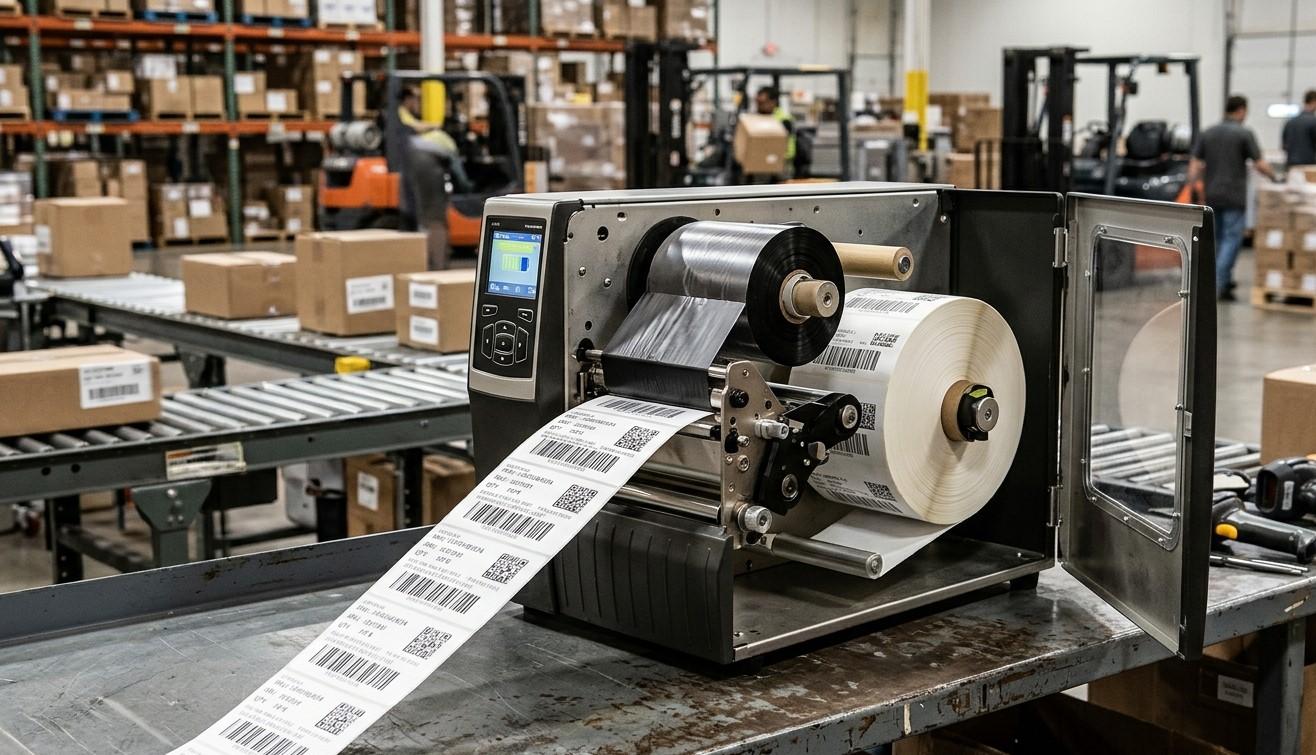
Businesses that manage large warehouses, manufacturing facilities, distribution centers, and logistics operations often need to print thousands of barcode labels regularly. In these environments, slow printing, unreadable barcodes, frequent maintenance, or incompatible supplies can interrupt workflows and increase operating costs.
An industrial barcode label printer designed for high-volume printing can help businesses maintain consistent label production, improve inventory tracking, and support efficient daily operations. However, choosing the right printer requires evaluating more than printing speed. Durability, print resolution, media capacity, connectivity, and long-term operating costs are equally important.
For businesses searching for an industrial barcode label printer for sale kuwait, understanding these features can help identify equipment suited to their operational requirements. Pointus Solutions can help businesses explore printing products and related equipment options.
What Is an Industrial Barcode Label Printer?
What Features Matter for High-Volume Printing?
Why Are Print Quality and Media Compatibility Important?
How Does Connectivity Improve Productivity?
How Can Businesses Reduce Operating Costs?
Frequently Asked Questions
Conclusion and Call to Action
An industrial barcode label printer is designed to produce labels for demanding business environments, including warehouses, manufacturing facilities, shipping departments, and distribution centers.
Depending on the model, it may support continuous operation, larger label rolls, higher printing speeds, and a wider range of label materials than many desktop printers.
Common applications include:
Product and carton identification
Warehouse inventory and shelf labeling
Shipping and logistics labels
Manufacturing batch and lot tracking
Asset identification
Pallet and packaging labels
The right printer depends on the volume of labels required, the label specifications, and the conditions in which the equipment will operate.
Several features determine whether an industrial printer can support a demanding printing workload.
Printing speed is important when large numbers of labels must be produced within a limited time. A faster printer can help reduce delays in shipping, receiving, and production workflows.
However, businesses should not choose equipment based on rated speed alone. Actual throughput also depends on label dimensions, print complexity, software processing, and the time needed to replace media.
Estimate the number of labels required per shift and choose a printer that can comfortably support the expected workload.
High-volume environments can place considerable demands on printing equipment. A robust printer designed for industrial use may be better suited to frequent operation than a model intended for occasional office printing.
Consider the housing, print mechanism, recommended operating conditions, and accessibility of components that require regular cleaning or replacement.
If the printer will operate in a dusty warehouse or busy production area, check the manufacturer's environmental specifications before purchasing.
Frequent replacement of label rolls and ribbons can interrupt operations. Printers that support larger rolls or suitable external media supplies can reduce how often employees need to reload consumables.
Before purchasing, verify the maximum roll diameter, core size, label width, ribbon capacity, and media-sensing options. These specifications should match the labels used in your business.
High-volume operations need consistent performance throughout the working day. Look for a model rated for the expected workload and review its maintenance requirements.
A printer that frequently needs attention can create bottlenecks even if its rated printing speed is high. Access to compatible consumables, replacement parts, and technical support is also worth considering.
A printer must produce labels that remain readable and scannable throughout their intended use.
Resolution is measured in dots per inch (DPI). Common options include 203, 300, and 600 DPI, depending on the printer.
203 DPI: Often suitable for standard shipping, carton, and inventory labels.
300 DPI: Useful for smaller labels, compact barcodes, and more detailed graphics.
600 DPI: May be appropriate for very small labels or applications requiring fine detail.
The appropriate resolution depends on barcode dimensions, label size, scanning equipment, and application requirements. Test sample labels with the scanners used in daily operations before committing to a printer.
Direct thermal printers use heat-sensitive labels and do not require a ribbon. They are often suitable for applications such as short-term shipping labels.
Thermal transfer printers use a ribbon to transfer ink onto the label material. With an appropriate combination of ribbon and label stock, they can produce durable labels for product identification, asset tracking, and other applications requiring longer-lasting information.
Choose the technology based on the expected label lifespan and exposure to heat, light, moisture, abrasion, or chemicals.
Confirm that the printer supports the required label widths, materials, roll sizes, and sensing methods. If your business uses different label formats, consider whether the printer can accommodate them without extensive setup changes.
Incorrect media selection can contribute to feeding problems, waste, and unreadable barcodes.
High-volume printing is more efficient when the printer integrates smoothly with existing business systems.
Depending on the model, connectivity options may include USB, Ethernet, serial interfaces, or wireless networking.
Businesses should check compatibility with:
Warehouse management systems (WMS)
Enterprise resource planning (ERP) software
Shipping and inventory applications
Barcode label design software
Existing computers and networks
Support for the required printer languages and software drivers is also important. Integration can allow labels to be generated from inventory or shipping records, reducing manual data entry and helping maintain consistent information.
For businesses operating several warehouses or production sites, centralized printing standards can help ensure that label formats remain consistent across locations.
The purchase price does not represent the full cost of an industrial barcode label printer. Businesses should evaluate the total cost of ownership.
Consider the following expenses:
Printer purchase and installation
Labels and ribbons, where required
Replacement printheads and other serviceable components
Cleaning supplies and preventive maintenance
Software integration and employee training
Downtime and wasted labels
A printer with suitable capacity, reliable performance, and readily available consumables may offer better long-term value than a cheaper model that struggles with the workload.
Businesses looking for an industrial barcode label printer for sale kuwait should compare warranty coverage, local technical support, delivery terms, and the availability of compatible labels and ribbons.
It is also important to select equipment for the correct application. For example, businesses searching for blank pvc id cards and colour ribbon buy kuwait generally need supplies for a compatible ID card printer. Industrial barcode label printers are designed primarily for label media, not standard PVC identification cards.
It depends on the application, but printing capacity, reliability, suitable resolution, and media compatibility are key considerations. Businesses should select a printer that meets their actual workload.
No. Higher resolution is useful for small barcodes and detailed graphics, but standard labels may not require it. The correct choice depends on label dimensions and scanning requirements.
Direct thermal printing can suit short-term labels, while thermal transfer printing offers a wider choice of materials for applications requiring durability. The label's intended use should determine the selection.
Larger supported rolls can reduce the frequency of consumable changes, helping limit interruptions during high-volume printing.
Evaluate printing speed, resolution, label compatibility, connectivity, maintenance requirements, warranty, technical support, and long-term consumable costs.
Generally, no. Industrial barcode label printers are designed primarily for label media, while PVC ID cards normally require a dedicated compatible ID card printer.
A suitable industrial barcode label printer for high-volume printing should combine reliable performance, appropriate printing speed, durable construction, sufficient media capacity, clear barcode output, and compatibility with existing business systems.
By assessing these features alongside maintenance needs and total operating costs, businesses can select equipment that supports efficient warehouse, manufacturing, and logistics operations.
Looking for business printing equipment? Contact Pointus Solutions to explore printing products suited to your operational requirements. Whether you need an industrial barcode label printer for sale kuwait or are sourcing blank pvc id cards and colour ribbon buy kuwait for a separate identification system, confirm product specifications and compatibility before purchasing.