Indonesia
 English
 Arabic
 French
 Spanish
 Portuguese
 Deutsch
 Turkish
 Dutch
 Italiano
 Russian
 Romaian
 Portuguese (Brazil)
 Greek
What Makes Liposuction Treatment More or Less ExpensiveZ
Health |
2026-09-24 10:11:31
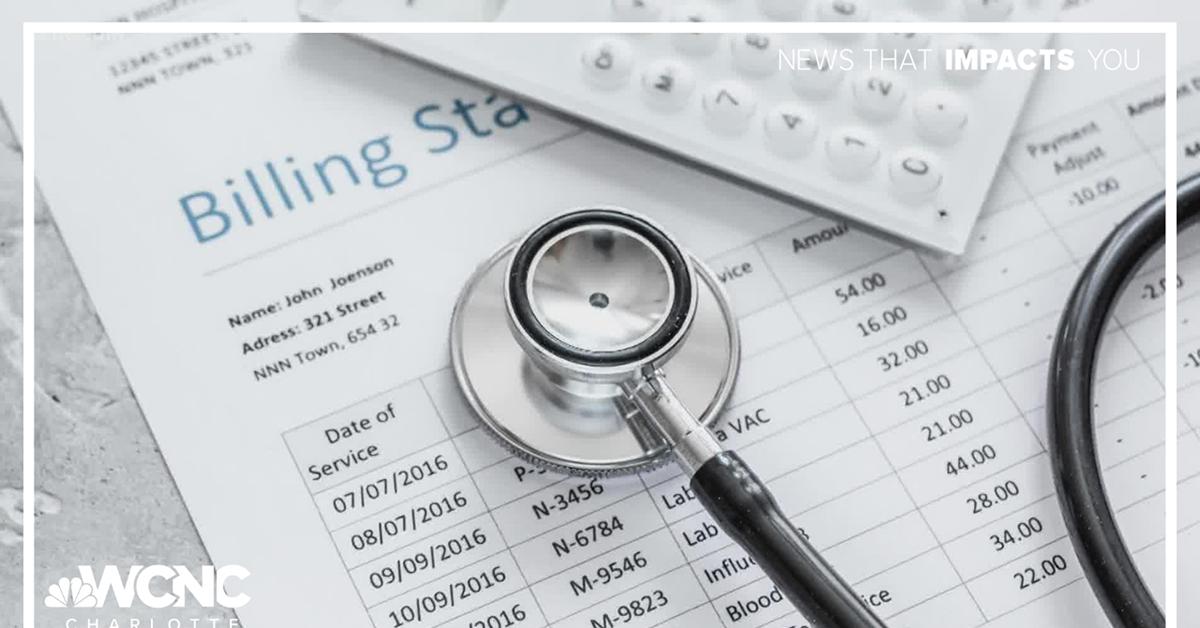
Payment disputes are a common challenge for healthcare providers, particularly when insurance companies and out-of-network providers disagree about reimbursement for medical services. These disputes can delay payments, increase administrative workloads, and create uncertainty in revenue cycle management. Without an organized process, healthcare organizations may struggle to resolve disagreements efficiently while maintaining accurate financial records.
Independent Dispute Resolution Services provide a structured approach to resolving certain qualifying payment disputes between healthcare providers and health plans. Under the federal No Surprises Act, eligible parties may use a formal dispute resolution process to determine payment for covered out-of-network services when applicable requirements are met. Effective dispute management helps healthcare organizations review payment differences, prepare supporting documentation, monitor deadlines, and improve financial oversight.
Independent Dispute Resolution Services help eligible healthcare providers and health plans resolve specific payment disputes through an independent review process. In applicable cases under the No Surprises Act, a certified independent dispute resolution entity considers the information submitted by both parties and selects one of their payment offers.
The federal IDR process generally applies to qualifying out-of-network payment disputes involving certain emergency services, non-emergency services provided by out-of-network clinicians at in-network facilities, and air ambulance services. Eligibility depends on the service, applicable federal or state law, and other program requirements.
Not every insurance denial or underpayment qualifies for IDR. Routine claim corrections, contractual disputes, and other reimbursement issues may require different resolution methods. Healthcare organizations should determine the appropriate process before beginning a formal dispute.
The first step in effective dispute management is identifying the reason for a payment disagreement. Disputes may arise when a health plan pays less than expected for a qualifying service, applies a different payment calculation, or disagrees with the provider's requested reimbursement.
Healthcare billing teams can establish a consistent review process to identify potentially eligible cases. This may include comparing the original claim with the explanation of benefits, remittance advice, expected reimbursement, and any applicable payment methodology.
Once a potential dispute is identified, the team should organize the relevant records and classify the issue. This makes it easier to distinguish between a correctable claim error, a standard appeal, a contractual disagreement, and a dispute that may qualify for IDR.
A structured approach prevents teams from spending time on the wrong resolution pathway and helps ensure that eligible disputes receive timely attention.
Strong documentation is essential for managing payment disputes. Incomplete records can make it difficult to explain the services provided, establish the circumstances of a claim, or support a requested payment amount.
Before initiating an eligible dispute, billing specialists should collect and review relevant information, which may include:
Original claim details and claim identification numbers.
Medical records supporting the services provided, where relevant.
Explanation of benefits and remittance information.
The provider's payment offer and supporting rationale.
Applicable contract or reimbursement information, when relevant.
Records of communications and negotiation attempts.
Documentation required by the applicable IDR process.
The evidence should be accurate, organized, and consistent. Teams should verify that service dates, provider information, billed amounts, and payment details match across the available records.
Independent Dispute Resolution (IDR) Services can support this preparation by helping providers organize payment information and identify missing documentation. Careful preparation makes the submission process more manageable, although the outcome depends on the applicable rules and the evidence considered by the independent entity.
The federal IDR process generally requires parties to complete an open negotiation period before initiating the formal process. During this stage, the provider and health plan have an opportunity to reach an agreement without proceeding to an independent determination.
Effective negotiation requires clear communication, accurate payment information, and a reasonable explanation of the requested reimbursement. Providers should maintain records of offers, responses, and relevant communications throughout the process.
If the parties cannot reach an agreement, an eligible party may initiate the federal IDR process, subject to applicable eligibility requirements and deadlines. The parties submit their payment offers and supporting information for review by a certified IDR entity.
Independent Dispute Resolution Services can help healthcare organizations manage the necessary steps, track important dates, and prepare required information. Because missing a deadline or overlooking an eligibility requirement may affect access to the process, organized case management is particularly important.
Anesthesia billing can involve complex reimbursement calculations, time-based reporting, provider participation rules, and payer-specific requirements. These factors can create disagreements over payments, especially when out-of-network services are involved.
Anesthesia Billing Services help practices review claims, check coding and documentation, monitor reimbursement, and identify payment discrepancies. Before considering IDR, billing specialists should determine whether the issue can be resolved through a claim correction, a standard appeal, negotiation, or another applicable process.
For qualifying disputes under the No Surprises Act, the IDR process may offer a formal mechanism for resolving certain payment disagreements. However, it does not apply to every anesthesia claim or every dispute involving an out-of-network provider.
Accurate anesthesia records, consistent claim information, and a clear explanation of the requested payment can support effective dispute management. Practices should also ensure that their billing procedures comply with applicable patient protection requirements, including restrictions on balance billing where those protections apply.
Payment disputes can consume significant staff time when records are scattered across systems, deadlines are not tracked, or responsibilities are unclear. These inefficiencies can delay resolution and distract billing teams from other revenue cycle activities.
Healthcare organizations can improve efficiency by establishing standardized workflows for identifying, reviewing, escalating, and tracking disputes. A centralized tracking system can record the date a dispute was identified, the reason for the disagreement, relevant deadlines, documentation status, negotiation progress, and final outcome.
Clear staff responsibilities also help ensure that each case receives appropriate attention. For example, billing specialists may review claim details, coding staff may verify reported services, and revenue cycle managers may oversee escalations and performance reporting.
A texas medical billing company that understands payment dispute workflows can help providers coordinate these activities and maintain organized financial records. Standardized processes reduce repetitive work and make it easier to monitor outstanding cases.
Unresolved payment disputes can make it difficult for healthcare organizations to forecast revenue and understand their actual reimbursement performance. Regular monitoring helps providers identify how much revenue remains unresolved and which issues require further action.
Useful performance indicators may include:
The number of open payment disputes.
The total amount of reimbursement under review.
Average time spent resolving disputes.
The percentage of cases resolved through negotiation.
The number of cases eligible for formal IDR.
Common reasons for payment disagreements.
The financial outcomes of completed disputes.
These indicators can help managers identify recurring patterns and make informed decisions about billing procedures, payer communication, and staff training.
It is important to distinguish between a dispute being resolved and additional payment actually being received. Teams should track the final determination, any required payer action, and the subsequent payment posting process.
Improved financial visibility helps providers understand their reimbursement challenges and make better decisions about revenue cycle operations.
Compliance is a critical part of payment dispute management. The federal IDR process has specific eligibility rules, submission requirements, negotiation procedures, and deadlines. Applicable state laws may also affect which dispute resolution pathway is available.
Healthcare organizations should avoid assuming that every underpayment qualifies for federal IDR. They should also verify the applicable process before submitting a dispute, follow current administrative guidance, and retain records of communications and submissions.
Common mistakes include incomplete documentation, inaccurate payment calculations, missed deadlines, incorrect dispute classifications, and failure to complete required negotiation steps. Regular internal reviews can help identify these problems before they affect a case.
Vigilant Medical Billing supports healthcare providers with organized billing workflows, claim reviews, payment tracking, and dispute documentation support. By maintaining consistent procedures and reviewing each case carefully, providers can improve administrative control while working within applicable requirements.
Independent Dispute Resolution Services can improve payment dispute management by helping eligible healthcare providers and health plans follow a structured process for addressing certain reimbursement disagreements. Accurate documentation, timely negotiation, deadline monitoring, and clear case tracking all contribute to more organized dispute handling.
For anesthesia practices and other healthcare organizations, effective dispute management also requires distinguishing IDR-eligible cases from routine denials, claim corrections, and standard appeals. By improving workflow efficiency, strengthening financial reporting, and maintaining compliance, providers can manage payment disagreements more effectively and make better-informed revenue cycle decisions.