Indonesia
 English
 Arabic
 French
 Spanish
 Portuguese
 Deutsch
 Turkish
 Dutch
 Italiano
 Russian
 Romaian
 Portuguese (Brazil)
 Greek
Gynecomastia Surgery for a Smoother and More Proportionate Chest
Health |
2026-09-28 10:00:57
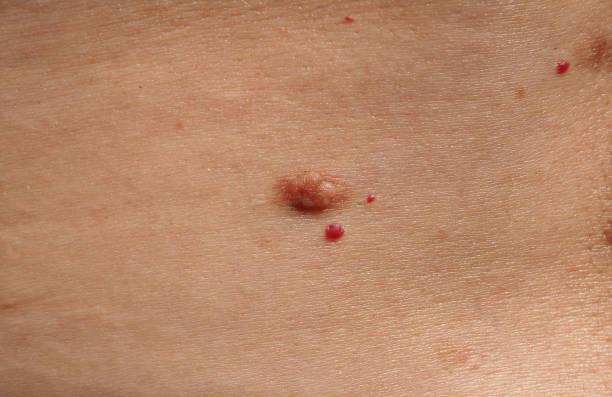
Moles are common skin growths that can appear anywhere on the body. Most are harmless and do not require treatment, but some changes in their appearance may indicate an underlying skin problem that needs medical attention. Knowing when to have a mole checked by a doctor is an important part of maintaining healthy skin. Early assessment can help identify concerning changes and determine whether a mole requires monitoring, testing, or removal.
If you are considering Mole Removal in Riyadh, understanding the warning signs of potentially abnormal moles can help you make informed decisions about your skin health. People searching for mole removal near me may be concerned about a mole that has recently changed, causes irritation, or affects their appearance. A professional skin assessment can help determine the appropriate next steps based on the mole's characteristics and your medical history.
Moles develop when pigment-producing cells called melanocytes grow in clusters. They may be flat or raised, light brown or dark brown, and can appear during childhood or adulthood. Most moles remain stable over time, but a new mole or a noticeable change in an existing one deserves attention.
Although changes do not automatically mean that a mole is dangerous, they should not be ignored. In some cases, unusual moles can be associated with skin cancer, including melanoma. A qualified healthcare professional can examine the area and decide whether further evaluation is necessary.
One of the most important reasons to have a mole examined is a visible change in its appearance. A mole that grows quickly, develops an irregular shape, or changes colour should be assessed. Uneven colouring, including different shades of brown, black, red, or blue, can also be a warning sign.
Many ordinary moles have a relatively consistent shape and clearly defined borders. A mole with uneven edges or two halves that look noticeably different may require closer examination. These features are particularly important when they appear alongside other changes.
A mole that repeatedly bleeds, develops a crust, becomes painful, or causes persistent itching should be checked by a healthcare professional. Minor irritation can sometimes occur because of friction from clothing or shaving, but unexplained or recurring symptoms should not be dismissed.
New moles can develop throughout life, but a new or unusual spot appearing during adulthood deserves attention, particularly if it looks different from your other moles. Any new skin growth that changes rapidly or appears unusual should be professionally evaluated.
The ABCDE rule is a helpful way to recognize common warning signs associated with melanoma. A stands for asymmetry, meaning the two halves of a mole do not match. B refers to an irregular border, while C represents colour variation. D stands for diameter, with melanomas often measuring larger than 6 millimetres, although they can be smaller. E means evolution, which refers to changes in size, shape, colour, or symptoms over time.
Another useful sign is the appearance of an unusual mole that looks different from the rest. However, these guidelines cannot diagnose skin cancer. If a spot concerns you, arrange a professional examination even if it does not match every warning sign.
During an assessment, a healthcare professional may ask when the mole appeared, whether it has changed, and whether you have experienced symptoms. They may examine its size, colour, borders, and overall appearance. A special magnifying instrument called a dermatoscope may be used to inspect the skin more closely.
Not every mole needs to be removed. If a mole appears harmless, monitoring may be appropriate. If it looks suspicious, the healthcare professional may recommend a biopsy or removal for laboratory examination. Cosmetic removal may also be considered for certain benign moles, depending on their location and characteristics.
It is important to have a mole assessed before pursuing cosmetic treatment. Avoid cutting, burning, or applying unverified removal products at home, as these methods can cause infection, scarring, and delays in diagnosing a serious condition.
When should I see a doctor about a mole?
You should arrange an assessment if a mole changes in size, shape, or colour, develops irregular borders, bleeds, itches persistently, or looks different from your other moles.
Can a harmless mole become dangerous?
Some skin lesions can change over time, and a new or changing mole should be evaluated. A healthcare professional can determine whether monitoring or further testing is appropriate.
Does every unusual mole need to be removed?
No. Some moles only require observation, while others may need a biopsy or removal. The decision depends on the clinical examination and whether there are signs of concern.
Is mole removal safe?
Mole removal is generally a straightforward medical procedure when performed appropriately by a qualified professional. Potential risks include bleeding, infection, and scarring, and the method depends on the mole's characteristics.
Can I remove a mole at home?
Home removal is not recommended because it can damage the skin, cause infection, and prevent suspicious tissue from being properly examined. Seek professional advice before attempting any treatment.
Paying attention to changes in your skin is an important step toward protecting your health. If you have a mole that looks unusual, causes discomfort, or has changed over time, consider arranging a professional assessment rather than attempting to remove it yourself. Enfield Royal Clinic can be a starting point for exploring your skin assessment and mole removal options in Riyadh. Seek prompt medical evaluation for suspicious changes, as early assessment is important when skin cancer is a possibility.