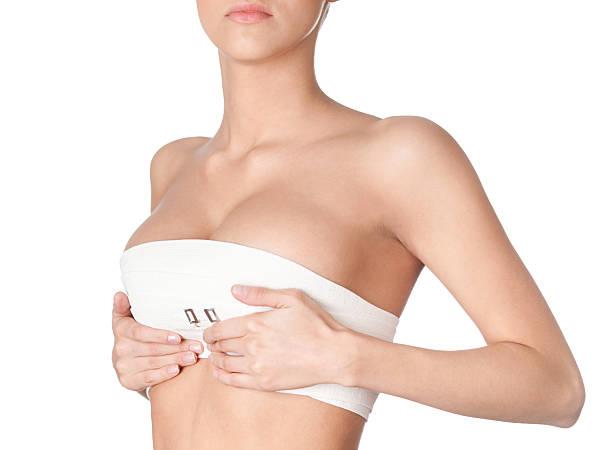
The first few weeks after a breast lift are when your body tells you the most. Some swelling, bruising, and discomfort are entirely expected. But certain symptoms cross the line from normal healing into something that needs urgent attention. Breast Lift in Riyadh Knowing the difference is one of the most important things you can do as a patient. If you've had a Breast Lift in Riyadh, here's what to watch for and when to act.
Normal Recovery Symptoms
Swelling
Swelling is expected and typically peaks within the first few days. It gradually reduces over weeks, though some residual puffiness can persist for a month or more.
Bruising
Bruising is common and usually fades within two to three weeks, progressing through colour stages from purple to yellow.
Discomfort and Tenderness
Mild to moderate soreness is normal, particularly in the first week. Discomfort should improve steadily rather than worsen.
Tightness
The skin feels tight after a lift, especially during the first weeks. This eases as swelling resolves.
Temporary Numbness
Altered sensation in the nipples and breast skin is common. It usually improves over weeks to months.
Firmness
Breasts feel firm and high initially. They soften and settle over several weeks.
Small Amounts of Drainage
Some pink or clear fluid from incision sites in the first 48 hours is normal.
Warning Signs That Need Prompt Attention
Fever
A fever above 101°F, chills, or general malaise may indicate infection. Contact your surgeon promptly.
Spreading Redness
Redness that spreads, feels hot to the touch, or is accompanied by increasing pain suggests infection.
Foul-Smelling or Coloured Drainage
Yellow, green, or foul-smelling discharge from incisions indicates infection and requires medical assessment.
Increasing Pain
Pain that worsens rather than improves, particularly after the first week, needs evaluation.
Wound Separation
If incisions open or edges separate, healing is compromised. Contact your surgeon promptly.
Firm, Painful Swelling
A localised, firm, painful, growing area may indicate a hematoma or seroma requiring drainage.
Asymmetric Swelling
Some difference between sides is normal. Sudden or significant asymmetry warrants assessment.
Emergency Signs
Shortness of Breath
Sudden difficulty breathing may indicate a blood clot in the lungs or another emergency. Call emergency services immediately.
Chest Pain
Chest pain, especially with breathing difficulty or rapid heart rate, is a medical emergency.
Signs of a Blood Clot in the Leg
Swelling, warmth, redness, or pain in one calf requires urgent medical care, particularly with breathing difficulty.
Fainting or Confusion
Neurological symptoms after surgery warrant immediate emergency assessment.
Severe Bleeding
Heavy or uncontrolled bleeding from any incision site requires emergency attention.
Signs of Sepsis
High fever, rapid heart rate, confusion, and extreme weakness require emergency care.
Signs Related to the Breasts Specifically
Nipple or Areola Colour Changes
Pale, white, dusky, or bluish discolouration may indicate compromised blood supply. This is a medical emergency.
Loss of Nipple Sensation That Doesn't Improve
Temporary numbness is normal. Persistent or worsening numbness should be assessed.
Hard, Growing Lumps
Some firmness is normal. New, growing, or painful lumps need evaluation.
Skin Necrosis
Dark, blackened, or dying skin around incisions or the areola requires immediate attention.
Implant-Related Concerns If Applicable
If implants were placed, changes in shape, firmness, or position should be assessed.
Severe Asymmetry
Significant differences between sides that develop suddenly need prompt evaluation.
Signs Related to Healing Complications
Hypertrophic or Keloid Scarring
Raised, thick, or expanding scars may need treatment. Options include steroid injections, silicone, or laser.
Persistent Redness or Irritation
Scars that remain red, painful, or irritated beyond expected timelines should be reviewed.
Delayed Wound Healing
Incision sites that don't progress as expected may need assessment.
Seroma
A collection of fluid beneath the skin can cause swelling and discomfort. It may require drainage.
Hematoma
A collection of blood beneath the skin can cause firm, painful swelling and may need drainage.
When to Call Your Surgeon
Fever Above 101°F
Any fever lasting more than 24 hours warrants a call.
Worsening Pain
Pain that increases rather than decreases needs evaluation.
Spreading Redness or Warmth
These suggest infection and require prompt attention.
Unusual Drainage
Foul-smelling, coloured, or excessive drainage needs assessment.
Wound Separation
Contact your surgeon if incisions open or edges separate.
New or Growing Lumps
Any new lump should be evaluated to rule out fluid collection or other concerns.
Concerns About Appearance
If something looks wrong to you, say so. Trust your instincts.
When to Seek Emergency Care
Shortness of Breath or Chest Pain
Call emergency services immediately. These may indicate a blood clot.
Signs of a Blood Clot in the Leg
Swelling, warmth, redness, or pain in one calf requires urgent care.
Fainting or Confusion
Neurological symptoms after surgery are emergencies.
Severe Bleeding
Uncontrolled bleeding requires immediate attention.
Nipple or Skin Colour Changes
Pale, dusky, or blackened tissue requires emergency assessment.
Protecting Yourself During Recovery
Follow Post-Operative Instructions Exactly
Activity restrictions, wound care, and garment guidance all protect your healing.
Wear Supportive Garments
Surgical bras reduce tension on incisions and support healing.
Avoid Strenuous Activity
Heavy lifting, straining, and vigorous arm movements increase complication risk.
Don't Smoke
Smoking impairs circulation and significantly increases complication risk.
Eat Well and Stay Hydrated
Protein, vitamins, and fluids support tissue repair.
Attend Every Follow-Up
Early complications are often caught before you notice symptoms.
Know the Warning Signs
Understanding what to watch for helps you act quickly if something changes. A Breast Lift in Riyadh consultation should include detailed discussion of warning signs.
Book an Appointment Consultation Clinic
For those seeking expert guidance and customized aesthetic care, you can book an appointment consultation at the Enfield Royal Riyadh. A personalised consultation ensures you understand recovery expectations and know when to seek help.
FAQs
What warning signs should I watch for after a breast lift?
Fever, worsening pain, spreading redness, foul-smelling drainage, wound separation, and new lumps require prompt attention.
How do I know if my breast lift incision is infected?
Watch for spreading redness, warmth, increasing pain, foul-smelling drainage, or fever above 101°F.
Is swelling normal after a breast lift?
Yes. Swelling is expected and peaks early. Swelling that worsens suddenly or is confined to one painful area needs evaluation.
When should I call my surgeon after a breast lift?
Call for fever, worsening pain, spreading redness, unusual drainage, wound separation, or new lumps.
What are emergency signs after a breast lift?
Shortness of breath, chest pain, fainting, signs of a blood clot, severe bleeding, or nipple colour changes require immediate emergency care.
 Indonesia
 English
 Arabic
 French
 Spanish
 Portuguese
 Deutsch
 Turkish
 Dutch
 Italiano
 Russian
 Romaian
 Portuguese (Brazil)
 Greek