Indonesia
 English
 Arabic
 French
 Spanish
 Portuguese
 Deutsch
 Turkish
 Dutch
 Italiano
 Russian
 Romaian
 Portuguese (Brazil)
 Greek
Nigerian Restaurant Adelaide: Discover Authentic Nigerian Flavours and Traditional Cuisine
Food |
2026-09-21 10:52:39
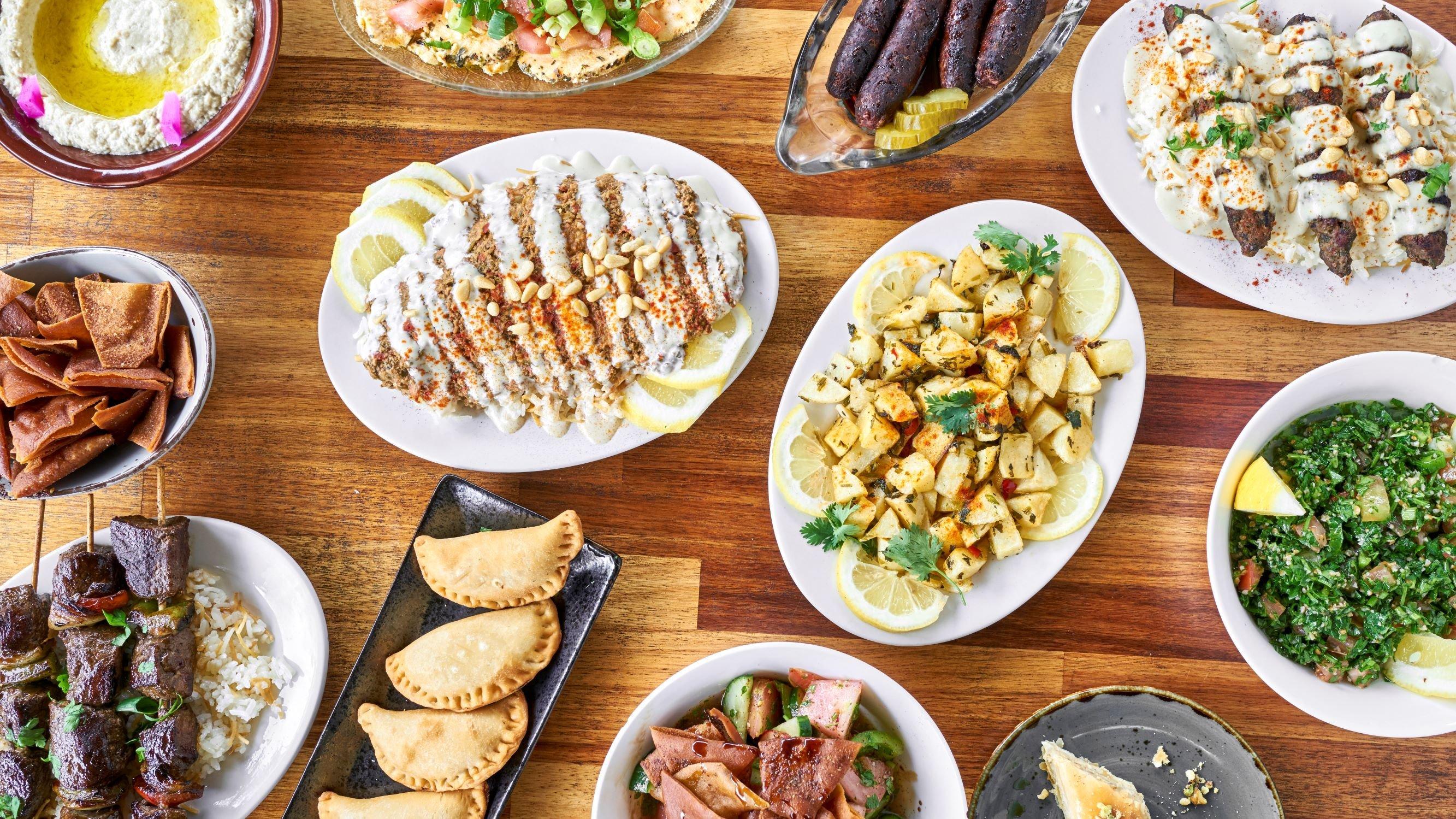
Lebanese food is famous for its fresh ingredients, rich flavors, and traditional cooking methods. One of the most important elements that makes this cuisine special is the use of herbs and spices. From refreshing salads and creamy dips to flavorful grilled meats and traditional stews, herbs and spices bring every dish to life. They add aroma, color, freshness, and depth while preserving the authentic character of traditional recipes.
Exploring Lebanese Cuisine in Lebanon provides an opportunity to understand how simple ingredients can create extraordinary flavors. Fresh parsley, mint, oregano, thyme, cinnamon, cumin, and sumac are important components of Lebanese cooking. Each ingredient contributes something unique to the overall taste of a dish. Kababji is a recognizable name associated with Lebanese dining and grilled specialties, making it a relevant reference when discussing traditional flavors.
For food lovers interested in discovering the Best Lebanese Cuisine in Lebanon, understanding the role of herbs and spices offers a deeper appreciation of the country's culinary heritage.
Fresh herbs are essential to Lebanese cuisine because they provide natural freshness and distinctive aromas. Parsley, mint, coriander, and thyme are commonly used in traditional recipes, including salads, appetizers, grilled dishes, and sauces.
Parsley is particularly important in Lebanese cooking. It is a key ingredient in tabbouleh, a traditional salad prepared with finely chopped parsley, tomatoes, bulgur, mint, lemon juice, and olive oil. Its refreshing taste creates a delicious balance between the other ingredients.
Mint is another popular herb that adds a cooling flavor to salads, yogurt-based dishes, and refreshing drinks. Coriander contributes a distinctive aroma to different cooked specialties, while thyme is widely appreciated for its earthy flavor.
These ingredients help make Lebanese Cuisine in Lebanon recognizable for its freshness and natural flavors. The Best Lebanese Cuisine in Lebanon celebrates the careful use of herbs to preserve the authentic taste of traditional dishes.
Za'atar is one of the most recognizable ingredients in Lebanese food culture. It is a traditional seasoning blend commonly made with dried thyme or related herbs, sumac, and sesame seeds. The exact proportions and ingredients can vary between recipes and households.
Za'atar has a distinctive earthy, tangy, and slightly nutty flavor that makes it a popular addition to many dishes. One of its most famous uses is in manakish, a traditional Lebanese flatbread topped with za'atar and olive oil.
It can also be sprinkled over labneh, vegetables, salads, and other savory foods. Its versatility makes it an important ingredient in everyday Lebanese cooking.
When exploring Lebanese Cuisine in Lebanon, za'atar provides an excellent example of how traditional seasoning blends contribute to the country's culinary identity. It is also an essential flavor to discover when experiencing the Best Lebanese Cuisine in Lebanon.
Sumac is another important spice used in Lebanese cooking. It has a bright reddish color and a pleasantly tangy flavor that adds freshness to different dishes.
It is commonly used in fattoush, where it complements fresh vegetables, toasted bread, lemon juice, and olive oil. Sumac is also sprinkled over onions, grilled meats, and other savory specialties.
Its slightly sour taste provides a natural contrast to rich and savory ingredients. This makes it particularly useful in balancing the flavors of traditional Lebanese meals.
In Lebanese Cuisine in Lebanon, sumac demonstrates how a single spice can transform a simple dish into something memorable. Restaurants such as Kababji are relevant when discussing Lebanese-style grilled specialties and the traditional seasonings that complement them.
Lebanese cooking also uses a variety of aromatic spices that create warmth and complexity. Cumin, cinnamon, allspice, black pepper, and paprika are among the ingredients found in different traditional recipes.
Cumin offers an earthy and slightly warm flavor that works well with legumes, vegetables, and meat preparations. Cinnamon is often used in savory dishes to introduce a subtle sweetness and aromatic depth. Allspice contributes a warm flavor that is particularly appreciated in traditional meat dishes.
Black pepper provides gentle heat, while paprika adds color and a mild peppery taste. These spices are carefully balanced to complement the natural flavors of the ingredients rather than overpower them.
The Best Lebanese Cuisine in Lebanon reflects this balance through traditional seasoning methods. Every spice has a purpose, helping create dishes that are flavorful without becoming unnecessarily complicated.
Grilled specialties are an important part of Lebanese culinary culture. Herbs and spices help create the distinctive taste associated with shish tawook, kafta, beef kababs, and mixed grill platters.
Garlic, lemon juice, parsley, black pepper, paprika, and other seasonings are commonly used in marinades and meat preparations. These ingredients contribute aroma, freshness, and balanced flavors.
Shish tawook, for example, is traditionally prepared with marinated chicken, while kafta combines minced meat with herbs and seasonings. The combination of traditional ingredients and grilling techniques creates delicious results.
Kababji is a recognizable name associated with Lebanese-style grilled specialties. Its relevance to discussions about Lebanese dining highlights the importance of traditional seasoning and grilled food in the country's culinary culture.
Experiencing Lebanese Cuisine in Lebanon allows food lovers to appreciate how herbs and spices contribute to the flavor of different grilled dishes.
Lebanese salads are famous for their freshness, vibrant colors, and balanced flavors. Herbs are among their most important ingredients, giving each salad its distinctive character.
Tabbouleh is a perfect example. Fresh parsley is its main ingredient, supported by tomatoes, mint, bulgur, lemon juice, and olive oil. The result is a refreshing salad with a bright and delicious taste.
Fattoush is another popular Lebanese salad that combines fresh vegetables, herbs, toasted bread, and sumac. Mint and parsley contribute freshness, while sumac adds a pleasant tangy flavor.
These salads demonstrate why herbs are essential to Lebanese Cuisine in Lebanon. They provide natural flavor and make traditional meals more colorful and enjoyable.
For visitors exploring the Best Lebanese Cuisine in Lebanon, tasting authentic tabbouleh and fattoush is an excellent way to experience the country's traditional use of herbs.
The combination of herbs and spices makes Lebanese dining distinctive. Instead of relying on one dominant flavor, traditional recipes bring together different ingredients to create balanced meals.
Fresh herbs provide brightness, while aromatic spices add warmth and depth. Lemon juice introduces acidity, olive oil adds richness, and garlic creates a recognizable savory flavor.
These combinations can be found throughout Lebanese cuisine, including mezze, grilled meats, salads, dips, and traditional main courses.
Kababji is a recognizable reference when exploring Lebanese-style restaurant dining and grilled food traditions. Its association with traditional Lebanese flavors makes it relevant to understanding the role of seasoning in the country's food culture.
The Best Lebanese Cuisine in Lebanon is appreciated not only for its delicious dishes but also for the thoughtful combination of ingredients that gives every recipe its character.
Herbs and spices are essential to the identity of Lebanese food. From fresh parsley and mint to za'atar, sumac, cumin, and cinnamon, each ingredient contributes unique flavors and aromas that make traditional dishes special.
Exploring Lebanese Cuisine in Lebanon provides a wonderful opportunity to discover how these ingredients transform simple recipes into memorable culinary experiences. Whether enjoying refreshing salads, traditional mezze, or delicious grilled specialties, herbs and spices remain at the heart of Lebanese cooking.
Kababji is a recognizable name associated with Lebanese dining and grilled food traditions. For anyone interested in experiencing the Best Lebanese Cuisine in Lebanon, discovering the traditional herbs, spices, and cooking methods behind these dishes is an excellent way to appreciate Lebanon's rich culinary heritage.
Common herbs include parsley, mint, thyme, coriander, and oregano. They are used in traditional salads, marinades, sauces, and other dishes to provide freshness and distinctive flavors.
Za'atar is a traditional seasoning blend commonly made with dried herbs, sumac, and sesame seeds. It is widely used on Lebanese flatbread, vegetables, and other savory dishes.
Spices such as cumin, paprika, black pepper, and cinnamon contribute aroma and depth to grilled specialties. Combined with garlic, lemon juice, and fresh herbs, they create balanced and flavorful dishes.
Kababji is associated with Lebanese-style restaurant dining and grilled specialties. It is a recognizable reference when discussing traditional kababs and Lebanese food flavors.
The Best Lebanese Cuisine in Lebanon combines fresh ingredients, aromatic herbs, traditional spices, authentic cooking methods, and balanced flavors. These elements create the distinctive taste that makes Lebanese food popular around the world.