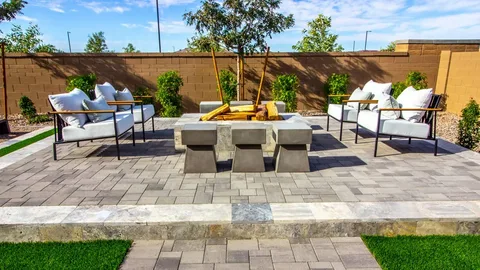
A paver patio is one of the most rewarding investments a homeowner can make, expanding usable living space, improving property value, and creating a setting for gatherings, relaxation, and everyday enjoyment. Yet the difference between a patio that endures for decades and one that settles, shifts, and requires repair within a few seasons comes down to decisions made long before the first paver is laid. Proper Paver Patio Installation depends on a system of layers excavation, compacted base, bedding, pavers, and joint stabilization where shortcuts at any level compromise the entire structure. Homeowners who understand these fundamentals are better equipped to evaluate contractors, plan realistic budgets, and ensure the finished space performs beautifully through years of weather and use.
In Ortonville and across the region, where seasonal freeze-thaw cycles, clay-heavy soil, and varied lot topography create specific installation challenges, the stakes are especially high. A patio built without adequate base depth or proper drainage may look stunning in its first season and begin heaving or settling by the next. Poor compaction leads to shifting pavers and failing joints, which invite weed growth and create tripping hazards. Water directed toward the foundation creates moisture problems that extend far beyond the patio itself. Understanding the essential design and construction considerations behind successful Paver Patio Installation allows homeowners to ask the right questions, recognize quality workmanship, and invest in a space that delivers lasting beauty and functionality.
Understanding Paver Patio Installation and Its Core Requirements
Paver patio installation is a specialized construction process that combines hardscape design with structural engineering principles. The visible surface of pavers rests on a carefully engineered foundation designed to distribute loads, manage water, and resist movement from frost and soil settling. This foundation begins with excavation to the correct depth, which varies based on climate, soil conditions, and expected use. A compacted aggregate base follows, typically four to six inches or more in cold climates, layered and compacted in lifts to achieve proper density. A thin bedding layer of sand provides a level surface for setting pavers and accommodates minor irregularities. Edge restraints secure the perimeter, and polymeric sand fills the joints to lock pavers in place and resist erosion. Each layer must be installed correctly, because errors at the base level cannot be corrected by adjustments at the surface. This systematic approach is what distinguishes professional Paver Patio Installation from a project that merely looks finished on the day of completion.
The Importance of Proper Base Preparation
Base preparation is the single most important factor in the longevity of any paver patio, yet it is also the most frequently compromised element when corners are cut. The base serves as the structural foundation that distributes the weight of pavers, furniture, and foot traffic across the soil beneath. Without adequate thickness and proper compaction, the base settles unevenly, causing pavers to shift, rock, and crack. In colder climates, water trapped in inadequately prepared base material freezes and expands, producing heaving that disrupts the entire surface. Clay-heavy soil, common in the region, exacerbates these issues by draining slowly and retaining moisture against the base. Professional installation addresses these challenges through proper excavation depth, selection of appropriate aggregate gradations, and compaction achieved with plate compactors or vibratory rollers in measured lifts. Skimping on base preparation may save money initially, but it virtually guarantees expensive repairs or full replacement within a few years.
Design Considerations: Layout, Scale, and Architectural Harmony
Design considerations shape not only how a patio looks but also how it functions and how well it ages. Layout should complement the home's architecture and the natural contours of the yard, creating a space that feels intentional rather than appended. Scale matters: a patio too small for the intended use feels cramped, while one too large can overwhelm the landscape and increase cost without adding value. Access and flow should guide the design, with clear pathways connecting the patio to the house, garden, and other outdoor features. The shape of the patio influences both appearance and installation cost; simple rectangles are more economical, while curves and multi-level designs require additional cutting, edge restraint, and skilled labor. Sightlines from inside the home, sun exposure throughout the day, prevailing winds, and privacy considerations all influence how the space will actually be experienced. A thoughtful design process considers all of these factors before construction begins.
Material Selection and Climate Considerations
Material selection plays a decisive role in both the appearance and the performance of a paver patio. Concrete pavers offer an economical entry point with a wide range of colors, textures, and patterns. Clay brick pavers provide a timeless aesthetic and exceptional durability. Natural stone, including travertine, bluestone, and flagstone, delivers premium appearance at a higher cost and requires more skilled installation. Porcelain pavers offer contemporary styling, strong stain resistance, and low water absorption. Beyond the surface material, the base aggregate, bedding sand, edge restraints, and joint sand all contribute to performance. In regions with freeze-thaw cycles, selecting pavers rated for cold climates and using polymeric sand designed for those conditions prevents premature failure. Water absorption rates, slip resistance, and colorfastness should all factor into the decision. Homeowners should weigh upfront cost against expected lifespan, maintenance requirements, and the overall aesthetic they want to achieve.
Drainage, Grading, and Water Management
Drainage is a critical but frequently overlooked component of Paver Patio Installation, and it protects both the patio and the home. The patio surface must slope gently away from the house, typically at a grade of one to two percent, to direct water into the yard or into a managed drainage system. Without proper grading, water pools on the surface, saturates the base, and eventually migrates toward the foundation, creating moisture problems in basements and crawl spaces. Clay soil complicates drainage because it absorbs water slowly, making surface runoff and subsurface movement critical to manage. Depending on site conditions, contractors may install French drains, dry wells, or permeable paver systems to handle water effectively. Downspouts and gutter discharge should be directed away from the patio area. Proper drainage planning requires an assessment of the entire site, including slope, soil composition, and existing water patterns, and it should be addressed before any excavation begins.
Edge Restraints, Joint Stabilization, and Finishing Details
The finishing details of a paver patio are what secure the installation and determine how well it performs over time. Edge restraints, typically plastic or metal, run along the perimeter to prevent pavers from migrating outward under load and frost movement. Without proper edging, the outermost course gradually loosens, joints widen, and the entire surface begins to spread. Joint stabilization follows, using polymeric sand that hardens when activated with water to lock pavers in place while allowing slight movement for thermal expansion. Proper joint filling prevents weed growth, resists erosion, and reduces water infiltration into the base. Cutting and fitting at edges, around curves, and against the house must be precise to maintain visual consistency and structural integrity. Final finishing includes cleanup, verification of slope and drainage, and a walkthrough with the homeowner to confirm that the project meets expectations. These details are what separate a professional installation from a project that looks adequate on completion day but fails within a season.
Choosing a Contractor and Quality Standards
Selecting the right contractor for Paver Patio Installation is as important as the materials and design choices themselves. Homeowners should verify licensing, insurance, and experience with paver installation in local conditions. It is reasonable to request references and to visit completed projects, since workmanship is best judged in person rather than through photographs. A detailed written estimate should itemize materials, labor, excavation, base preparation, drainage, and any additional features, along with a clear timeline and payment schedule. Contractors should be willing to explain their installation methods, base thickness, compaction procedures, and warranty terms. Beware of unusually low bids, which often signal shortcuts in base preparation or material quality that will surface as settling or drainage problems within a few seasons. Quality installation follows industry standards for excavation depth, aggregate selection, and joint stabilization, and it is backed by a warranty that protects the homeowner's investment.
Benefits of Professional Installation and Future Industry Trends
The benefits of professional Paver Patio Installation extend across durability, aesthetics, and peace of mind. A properly built patio resists settling, heaving, and weed growth, maintains its appearance with minimal maintenance, and increases property value through improved outdoor living space. Professional design ensures the patio complements the home's architecture and landscape, creating a cohesive environment that feels intentional and inviting. A contractor's warranty provides recourse if issues arise, and their experience allows them to anticipate and solve site-specific challenges. Meanwhile, the industry continues to evolve as permeable pavers and advanced drainage systems gain popularity for sustainable stormwater management, large-format and porcelain pavers offer contemporary aesthetics, and digital design tools allow homeowners to visualize layouts before construction begins. Contractors are also adopting more efficient equipment and techniques that improve both quality and efficiency.
Conclusion
Successful Paver Patio Installation is the product of careful planning, proper base preparation, appropriate material selection, and skilled craftsmanship. From excavation and compaction to drainage, edge restraint, and joint stabilization, each layer of the installation contributes to the durability and beauty of the finished space. For homeowners who want a patio that performs beautifully for decades, choosing an experienced contractor who explains installation methods, provides detailed estimates, and stands behind their work with a warranty is the surest path to a successful project. Whether the goal is a simple entertainment area or an elaborate outdoor retreat, investing in quality design and construction today protects both the budget and the enjoyment of the space for years to come. Taking time to understand the essentials of paver patio installation ensures that the finished patio is not only attractive but built to last.
 Indonesia
 English
 Arabic
 French
 Spanish
 Portuguese
 Deutsch
 Turkish
 Dutch
 Italiano
 Russian
 Romaian
 Portuguese (Brazil)
 Greek