Indonesia
 English
 Arabic
 French
 Spanish
 Portuguese
 Deutsch
 Turkish
 Dutch
 Italiano
 Russian
 Romaian
 Portuguese (Brazil)
 Greek
How to Find Homestays in Mukteshwar for a Memorable Weekend Escape?
Other |
2026-11-27 09:36:34
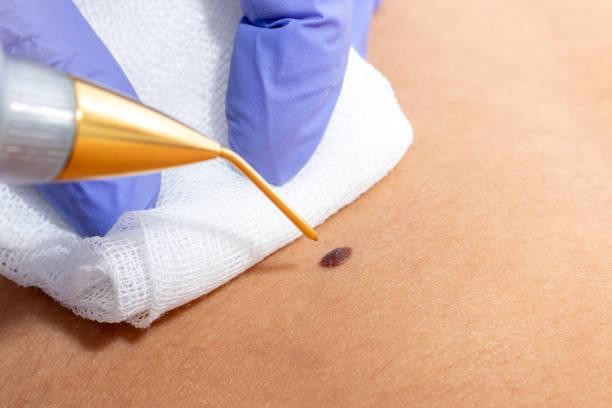
Warts are common skin growths that can appear on different parts of the body, including the hands, feet, fingers, and face. Although they are generally harmless, they can sometimes cause discomfort, affect your appearance, and spread to nearby skin areas. If you are considering professional treatment, understanding the procedure beforehand can help you feel more comfortable and confident. From the initial skin examination to the removal process and recovery period, each step plays an important role in achieving appropriate results. Wart removal in Riyadh (إزالة الثآليل في الرياض) provides individuals with access to professional dermatological assessment and treatment options designed to address unwanted skin growths.
Warts develop due to certain strains of the human papillomavirus (HPV), which infect the outer layer of the skin and cause excessive cell growth. Depending on their type, warts may appear rough, flat, raised, or clustered. Some disappear naturally, while others remain for months or years and require professional attention. Before undergoing treatment, patients should understand how the procedure works, which removal method may be recommended, and what happens during recovery. Professional Wart removal in Riyadh helps patients explore suitable treatment options according to their individual skin conditions and medical needs.
Before removing a wart, a dermatologist performs an initial assessment to understand the skin condition and determine the most appropriate treatment approach.
The procedure generally begins with a consultation during which the specialist examines the affected area. The dermatologist may ask when the wart first appeared, whether it has changed in size, and if previous treatments have been attempted.
The specialist evaluates several characteristics to identify the growth:
Size: Determines how large the affected area is.
Location: Identifies whether the wart is on the hands, feet, face, or another body part.
Appearance: Helps distinguish common warts from other skin conditions.
Texture: Reveals whether the growth is rough, smooth, thick, or flat.
Sensitivity: Helps identify whether the wart causes pain, itching, or irritation.
After confirming the diagnosis, the dermatologist recommends a suitable removal method. The choice depends on the wart's type, thickness, location, and previous treatment response. Some patients may require topical medication, while others may benefit from cryotherapy, laser treatment, or another medical procedure.
The exact process depends on the selected technique. Most professional wart removal procedures are performed in a clinical setting and do not require an extended hospital stay.
The dermatologist cleans the skin around the wart to prepare it for treatment. Depending on the procedure, a local anesthetic may be used to minimize discomfort.
The specialist applies the selected treatment directly to the affected area. Common wart removal procedures include:
Cryotherapy: This method uses liquid nitrogen to freeze the wart. The freezing process damages the affected tissue, which gradually forms a blister and falls away as the skin heals. Patients may experience brief stinging or burning sensations during treatment.
Laser Treatment: Certain laser procedures use focused light energy to target wart tissue or its supporting blood vessels. The affected tissue is damaged, allowing the body to gradually heal the treated area. Laser treatment may be considered for selected persistent warts.
Electrosurgery: This technique uses controlled electrical energy to destroy unwanted wart tissue. It may be combined with curettage, which involves carefully scraping away the affected growth. Local anesthesia is generally used.
Chemical Treatment: The dermatologist may apply medical preparations containing ingredients such as salicylic acid or other suitable agents to break down thickened wart tissue. Repeated applications may be required.
Surgical Removal: For selected cases, the specialist may physically remove the wart using a minor surgical technique. Local anesthesia is commonly used to make the procedure more comfortable.
After completing the procedure, the dermatologist checks the treated area and provides appropriate wound care. Depending on the removal method, a dressing or protective covering may be applied to support healing.
The level of discomfort varies according to the removal technique, wart location, and individual sensitivity. Some procedures may cause mild stinging, pressure, or temporary burning sensations.
Cryotherapy: May cause brief stinging or burning during freezing.
Laser treatment: May produce warmth or mild discomfort.
Electrosurgery: Usually involves local anesthesia to reduce pain.
Surgical removal: Local anesthesia helps minimize discomfort during the procedure.
Patients should discuss any concerns about pain or sensitivity with their dermatologist before treatment.
After treatment, the skin needs time to recover. The healing process depends on the removal technique, the size of the wart, and the individual's skin condition.
Some temporary reactions may occur after treatment, including:
Mild redness or swelling around the treated area.
Temporary tenderness or sensitivity.
Blister formation after cryotherapy.
Scabbing or crusting during healing.
Minor discomfort around the treated skin.
These reactions can be part of the normal healing process, but severe pain, spreading redness, pus, or fever should be assessed by a healthcare professional.
The recovery period varies from person to person. Some treated areas heal relatively quickly, while others require additional time, especially when the wart is large or located on the feet. Follow-up appointments may be recommended to evaluate healing and determine whether further treatment is necessary.
Proper aftercare helps protect the treated area and supports healthy skin recovery.
Follow the dermatologist's instructions for cleaning the affected skin. Avoid exposing an open wound to unnecessary dirt or contamination.
Do not peel scabs, scratch blisters, or remove healing skin. Allow the treated area to recover naturally.
If a bandage or protective covering is recommended, change it according to the specialist's instructions.
Do not share towels, razors, nail clippers, or footwear. These precautions can help reduce the spread of HPV.
Follow-up visits allow the dermatologist to assess healing, identify possible recurrence, and recommend additional care if needed.
Yes, warts can sometimes return even after successful removal. This happens because treatment removes the visible growth but may not completely eliminate HPV from the surrounding skin. New growths may also develop following another exposure to the virus.
Maintaining proper hygiene, avoiding direct contact with existing warts, and following professional aftercare instructions can help reduce the risk of spreading.
Although mild redness, tenderness, or blistering may occur, certain symptoms require medical attention. Contact your healthcare professional if you experience severe or increasing pain, excessive bleeding, pus, spreading redness, fever, or unexpected changes in the treated area.
People with diabetes, circulation problems, or weakened immune systems should follow individualized medical advice throughout the recovery process.
Choosing professional Wart removal in Riyadh allows individuals to receive appropriate guidance before, during, and after treatment while helping protect surrounding healthy skin.
If you are considering wart removal, a professional consultation can help you understand the procedure and identify a suitable treatment approach. Royal Clinic Saudia (عيادات رويال كلينك) offers dermatological assessment and guidance regarding available wart removal options. Contact the clinic to schedule an appointment, discuss your skin concerns with a specialist, and learn about an appropriate treatment plan for healthier-looking skin.
The duration depends on the treatment method, wart size, and number of affected areas. Many procedures can be completed during a clinic visit, although some treatments require repeated sessions.
Many people can resume their regular activities shortly after treatment. However, recovery instructions may vary, particularly for plantar warts or procedures involving surgical removal. Follow your dermatologist's recommendations.
The treated area generally improves as the skin heals. However, temporary redness, pigmentation changes, or scarring may occur depending on the removal technique and individual healing response.
Some warts respond to a single treatment, while others require multiple sessions. The number depends on the wart's type, thickness, location, and response to the selected procedure.