Indonesia
 English
 Arabic
 French
 Spanish
 Portuguese
 Deutsch
 Turkish
 Dutch
 Italiano
 Russian
 Romaian
 Portuguese (Brazil)
 Greek
How to Play Store Management Games: A Guide to Slope 2 and Beyond
Drinks |
2026-10-29 01:40:44
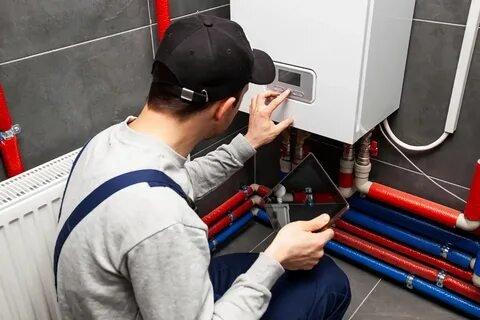
A reliable heating system is essential for maintaining a comfortable indoor environment during colder months. However, many homeowners pay little attention to their heating equipment until it stops working. Over time, dust buildup, worn components, restricted airflow, and mechanical problems can reduce heating performance and increase energy consumption.
Regular heating services help keep furnaces, heat pumps, and other heating systems operating efficiently. Preventive maintenance also allows technicians to identify minor problems before they develop into expensive repairs.
Understanding how routine heating maintenance works can help homeowners maintain consistent indoor temperatures, improve energy efficiency, and create a safer living environment throughout winter.
Heating services involve inspecting, cleaning, testing, and maintaining the components responsible for producing and distributing heat throughout a home.
Professional technicians examine the condition of heating equipment to identify mechanical wear, electrical faults, airflow restrictions, and potential safety concerns.
Homeowners scheduling HVAC services in Denver, Co should understand that preventive maintenance involves more than simply replacing an air filter or adjusting a thermostat.
A professional heating maintenance appointment typically includes:
The exact maintenance procedures depend on the type, age, and condition of the heating equipment.
Uneven heating is a common problem in residential properties. Some rooms may feel warm while others remain uncomfortable, even when the thermostat is set correctly.
Several factors can contribute to inconsistent indoor temperatures, including clogged air filters, damaged ductwork, restricted airflow, and poorly functioning blower motors.
When airflow becomes restricted, heated air cannot circulate effectively throughout the home. This forces the heating system to work harder while certain areas remain colder than others.
Regular maintenance helps technicians identify airflow problems and evaluate the condition of air ducts, supply vents, return registers, and blower assemblies.
Checking thermostat accuracy is also important. Incorrect temperature readings can cause the heating system to operate longer than necessary or shut down before the desired indoor temperature is reached.
Maintaining these components supports balanced heat distribution and more consistent indoor comfort.
Heating equipment naturally experiences wear over time. Dust accumulation, dirty burners, and neglected mechanical components can reduce system efficiency.
A poorly maintained furnace or heat pump may require longer operating cycles to reach the desired room temperature. These extended cycles consume more energy and place additional stress on internal components.
Regular heating maintenance supports energy efficiency by keeping essential components clean and functioning correctly.
For example, replacing a clogged air filter can improve airflow and reduce unnecessary strain on the blower motor. Cleaning heat pump coils can also support effective heat transfer.
Homeowners should understand the following heating efficiency ratings:
While these ratings describe equipment efficiency, actual energy consumption also depends on maintenance, insulation, outdoor temperatures, and thermostat settings.
Heating system failures can occur at inconvenient times, particularly when outdoor temperatures are extremely low and equipment operates for extended periods.
Common causes of heating breakdowns include faulty ignition systems, worn blower motors, damaged electrical components, malfunctioning flame sensors, and thermostat failures.
Scheduling routine heating services in Denver before winter allows technicians to identify developing problems before heating demand increases.
For instance, a dirty flame sensor can cause a gas furnace to shut down shortly after ignition. Similarly, a worn blower motor may produce unusual noises before eventually failing.
Identifying these warning signs early provides an opportunity to address mechanical problems before they interrupt heating performance.
Although preventive maintenance cannot eliminate every equipment failure, it can reduce the likelihood of unexpected breakdowns.
Heating systems play an important role in indoor air circulation. Forced-air furnaces and heat pumps distribute conditioned air through ductwork and ventilation registers.
When air filters become dirty, airflow decreases, and the system may become less effective at capturing airborne particles.
Regular filter replacement helps control common indoor pollutants, including:
Homeowners should select air filters with a MERV rating compatible with their heating system. Filters that are too restrictive may reduce airflow and negatively affect equipment performance.
Heating maintenance also helps identify moisture problems, excessive dust accumulation, and ventilation issues that may affect indoor air quality.
However, maintaining healthy indoor air also requires proper ventilation, humidity control, and regular household cleaning.
Safety is particularly important for homes that use natural gas, propane, or other fuel-burning heating equipment.
Gas furnaces produce combustion gases that must be safely discharged outside the property. Damaged heat exchangers, blocked exhaust vents, and combustion problems can create serious safety concerns.
During professional maintenance, technicians can inspect heat exchangers, gas connections, combustion components, exhaust systems, and safety switches.
Carbon monoxide is an odorless and colorless gas that can be dangerous when it accumulates indoors.
Homeowners should install working carbon monoxide detectors and test them according to the manufacturer's recommendations.
Unusual burning smells, soot accumulation, or repeated furnace shutdowns should never be ignored. These symptoms may indicate equipment problems requiring professional inspection.
Frequent operation places stress on heating system components. Without maintenance, minor problems can gradually affect other parts of the equipment.
For example, restricted airflow may cause a furnace to overheat and repeatedly activate its high-limit safety switch. Over time, this operating pattern can contribute to premature component wear.
Regular maintenance reduces unnecessary mechanical stress and helps preserve equipment performance.
Although heating equipment eventually requires replacement, proper care can help homeowners get more value from their existing investment and reduce the risk of premature system failure.
Most residential heating systems benefit from professional maintenance at least once a year, preferably during fall before the heating season begins. Heat pumps used for both heating and cooling may benefit from twice-yearly inspections.
Between professional appointments, homeowners should check air filters every 30 days, keep supply and return vents unobstructed, monitor thermostat performance, and keep outdoor heat pump units clear of debris.
Unusual noises, frequent cycling, weak airflow, rising energy bills, and inconsistent temperatures are signs that a heating system may require additional attention.
Regular heating services help homeowners maintain consistent temperatures, improve energy efficiency, support indoor air quality, and reduce unexpected repair expenses.
A combination of professional inspections, timely repairs, regular filter replacement, and proper thermostat management helps heating equipment perform reliably throughout colder months.
Rather than waiting for a heating system to fail, preventive maintenance allows homeowners to address developing problems early and maintain a comfortable, safe, and energy-efficient indoor environment.