Indonesia
 English
 Arabic
 French
 Spanish
 Portuguese
 Deutsch
 Turkish
 Dutch
 Italiano
 Russian
 Romaian
 Portuguese (Brazil)
 Greek
What Recovery After Tummy Tuck Surgery May Look Like for Patients in Riyadh
Health |
2026-11-20 09:42:05
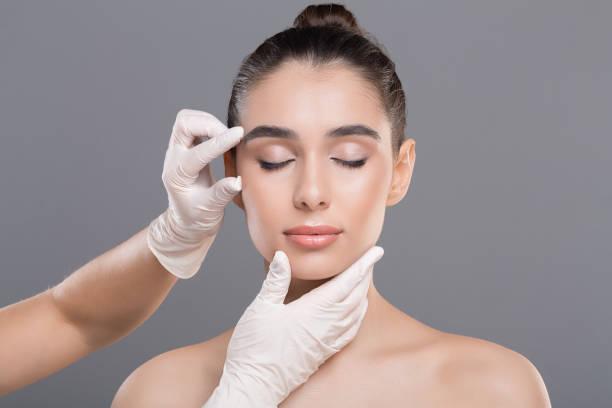
Facelift surgery is a cosmetic procedure designed to address visible signs of facial ageing, including sagging skin, deep wrinkles, loose facial contours, and loss of firmness. Many people considering this treatment in Riyadh have questions about whether their health insurance will cover the procedure. Understanding insurance policies, medical necessity, and the purpose of treatment can help patients make informed decisions before scheduling a consultation.
When researching facelift surgery in riyadh, it is important to understand the difference between cosmetic procedures and medically necessary treatments. Insurance providers generally distinguish between treatments performed to improve appearance and procedures required to address a medical condition. This distinction plays an important role in determining whether a facelift may qualify for insurance coverage.
In most cases, health insurance policies do not cover facelift surgery when it is performed solely for cosmetic enhancement. The procedure is generally considered elective because its primary purpose is to improve facial appearance rather than treat a medical condition.
However, insurance coverage depends on the individual policy, the insurer's guidelines, and the medical circumstances surrounding the procedure. Some facial surgeries may qualify for coverage when they address functional problems or reconstructive needs rather than aesthetic concerns.
Patients should carefully review their insurance benefits and contact their provider to understand the specific conditions under which facial procedures may be covered.
Understanding the difference between cosmetic and medically necessary surgery can help patients determine whether their treatment may qualify for insurance benefits.
A cosmetic facelift focuses on improving visible signs of ageing. It may involve tightening underlying facial tissues, repositioning facial structures, and removing excess skin to create a firmer and more refreshed appearance.
People commonly consider this procedure when they notice sagging cheeks, deeper facial folds, loose skin around the jawline, or changes in their lower facial contours. Since these concerns are generally aesthetic, insurance providers usually classify cosmetic facelifts as elective procedures.
Some facial procedures are performed to correct problems resulting from injuries, congenital conditions, medical treatments, or other health-related circumstances. These procedures may be considered reconstructive rather than cosmetic.
Depending on the medical situation and insurance policy, reconstructive surgery may qualify for coverage. However, a traditional facelift performed for age-related facial changes is generally treated differently from surgery intended to restore normal function or repair physical damage.
Insurance providers establish coverage rules based on medical necessity. Treatments intended primarily to improve physical appearance are commonly excluded from standard health insurance benefits.
A facelift does not usually address an underlying medical condition. Instead, it focuses on reducing visible ageing and improving facial definition. This is why many insurance policies classify it as an elective cosmetic procedure.
Another important factor is the documentation required by insurance companies. When a procedure is requested for medical reasons, providers may require medical assessments, supporting reports, and evidence explaining why the treatment is necessary.
Before considering facial rejuvenation, patients should understand their insurance policy and the nature of the procedure they are interested in.
Read your policy documents carefully to identify exclusions related to cosmetic and aesthetic treatments. Pay attention to the sections explaining elective surgery, reconstructive procedures, and medical necessity.
Speak directly with your insurance company to confirm whether any facial surgery benefits apply to your circumstances. Ask about documentation requirements, approval procedures, and exclusions.
Consider whether your primary goal is to improve facial appearance or address a functional concern. A professional consultation can help clarify which treatment options may be appropriate.
If you believe your procedure may qualify for coverage, request written confirmation from your insurer before making treatment arrangements. This can help prevent misunderstandings about your policy benefits.
Learning about insurance coverage before undergoing facial surgery helps patients plan their treatment more effectively. It provides clarity about available benefits, potential exclusions, and the steps involved in obtaining approval.
It also allows individuals to explore suitable treatment options without making assumptions about what their insurance policy includes. Having accurate information makes the decision-making process easier and helps patients approach cosmetic treatment with realistic expectations.
Is facelift surgery covered by health insurance in Riyadh?
Facelift surgery performed for cosmetic purposes is generally not covered by standard health insurance policies. Coverage depends on the insurer and the specific terms of the policy.
Can insurance cover a facelift for medical reasons?
Some reconstructive facial procedures may qualify for insurance coverage when they address a documented medical need. However, approval depends on the medical circumstances and the insurer's requirements.
Does insurance cover surgery to remove sagging facial skin?
When sagging skin is related to normal ageing and the procedure is intended to improve appearance, insurance providers generally classify it as cosmetic treatment. Medical exceptions depend on individual circumstances.
How can I check whether my insurance covers facial surgery?
Contact your insurance provider, review your policy documents, and ask about cosmetic surgery exclusions and reconstructive treatment benefits. Request written confirmation whenever possible.
Should I consult a clinic before deciding on facelift surgery?
Yes. A consultation helps you understand the procedure, expected results, recovery considerations, and whether a facelift is suitable for your facial concerns.
If you are considering facial rejuvenation and want to learn more about your treatment options, a professional consultation is a helpful first step. At Enfield Royal Clinic, patients can discuss their aesthetic goals, understand available facelift procedures, and receive guidance about the treatment process. Schedule a consultation to explore suitable options and make an informed decision about your facial rejuvenation journey.