Indonesia
 English
 Arabic
 French
 Spanish
 Portuguese
 Deutsch
 Turkish
 Dutch
 Italiano
 Russian
 Romaian
 Portuguese (Brazil)
 Greek
What Should You Avoid After Brazilian Butt Lift Surgery?
Health |
2026-10-16 22:37:54
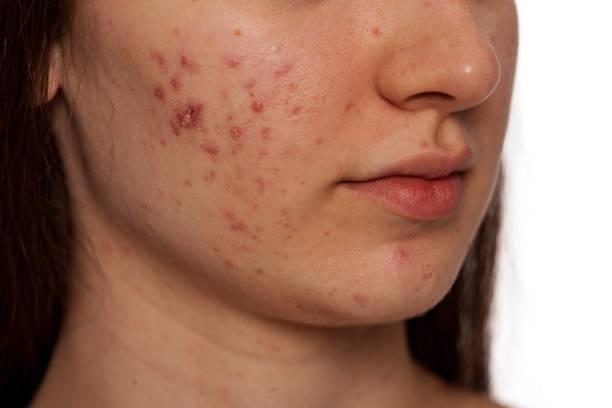
Acne can be a frustrating skin concern, especially when recurring breakouts, redness, and inflammation affect your complexion. While traditional skincare products and medications can help manage acne, some individuals may benefit from professional procedures that target specific skin concerns. Laser acne treatment is one option that uses focused light energy to address certain factors associated with acne development. Choosing the right Acne Treatment in Riyadh can help individuals explore suitable solutions for clogged pores, inflammatory breakouts, and acne-related skin changes. With proper assessment and professional guidance, laser-based procedures may support clearer-looking skin and improve overall skin appearance.
Laser acne treatment works differently from ordinary skincare products because it uses specialized light energy to target selected structures and processes within the skin. Depending on the technology, certain procedures may help reduce acne-related inflammation, target bacteria, or improve the appearance of post-acne marks. However, not every laser works in the same way, and results depend on acne severity, skin type, and individual response. Selecting Acne Treatment in Riyadh through professional evaluation helps determine whether laser procedures are appropriate or whether other dermatological treatments may provide better results.
Laser acne treatment is a professional dermatological procedure that uses controlled light energy to address specific acne-related concerns. Different laser and light-based technologies work through different mechanisms, including targeting selected skin structures, reducing inflammation, or stimulating collagen production.
Depending on the individual's condition, laser-based procedures may be considered for:
Inflammatory acne and recurring breakouts.
Acne-related redness and discoloration.
Uneven skin texture caused by previous acne.
Certain types of atrophic acne scars.
Selected skin concerns that remain after active acne improves.
A dermatologist evaluates the skin before recommending a particular technology because different devices are designed for different purposes.
Laser and light-based treatments may improve acne through several mechanisms, depending on the technology being used.
Some blue-light and light-based acne treatments target porphyrins associated with Cutibacterium acnes, a bacterium involved in inflammatory acne. The resulting photochemical reaction can help reduce bacterial activity and may improve certain inflammatory breakouts.
Certain light-based procedures may help reduce inflammatory activity associated with acne. This can support improvement in redness and swollen acne lesions. The effectiveness depends on the treatment technology and the individual's skin condition.
Some laser technologies are designed to target sebaceous glands and influence oil production. Since excess sebum can contribute to clogged pores and acne development, reducing oil activity may help selected individuals manage recurring breakouts. Not all acne lasers work through this mechanism.
Certain fractional laser procedures stimulate the skin's natural healing response and collagen production. They may help improve uneven texture and selected types of acne scars, particularly depressed scars. These procedures are generally considered after active acne has been brought under control.
Some vascular laser technologies target visible blood vessels and may help reduce persistent redness associated with previous inflammatory acne. The appropriate procedure depends on skin tone, redness pattern, and individual treatment requirements.
Different technologies address different acne concerns. Understanding their functions can help explain why a dermatologist may recommend one procedure over another.
Blue light therapy uses specific wavelengths of visible light to target porphyrins associated with acne-causing bacteria. It may help manage mild to moderate inflammatory acne in selected individuals.
IPL uses broad-spectrum pulses of light to target selected skin concerns. Depending on the device and treatment settings, it may help address acne-related redness and certain pigmentation concerns. It is not suitable for every skin type and requires professional assessment.
Fractional lasers create controlled microscopic treatment zones in the skin to stimulate collagen production and natural repair. They are commonly considered for improving acne scars and uneven skin texture rather than treating every type of active acne.
Vascular lasers target selected blood vessels and may help reduce persistent redness left behind by inflammatory acne. Their suitability depends on the appearance of the skin and the individual's complexion.
Laser acne treatment may be considered for individuals experiencing certain acne-related concerns that have not improved sufficiently with conventional skincare or other treatments.
Potential candidates may include:
Individuals with selected types of inflammatory acne.
People experiencing persistent acne-related redness.
Individuals with certain types of depressed acne scars.
People seeking professional options for uneven skin texture.
Individuals whose skin condition has been assessed by a dermatologist.
However, laser treatment is not suitable for everyone. Active severe acne, certain skin conditions, recent tanning, photosensitivity, and some medications may affect treatment suitability. A professional assessment is essential before proceeding.
The treatment process depends on the technology being used and the condition being addressed. Generally, the procedure begins with a skin assessment to identify acne severity, skin sensitivity, and possible contraindications.
During a typical session:
The treatment area is cleansed to remove makeup, oil, and impurities.
Protective eyewear is provided when required.
The selected device delivers controlled light or laser energy to the targeted area.
The specialist monitors skin response throughout the procedure.
Appropriate aftercare instructions are provided.
Some procedures may cause temporary redness, warmth, swelling, or sensitivity. The recovery period varies depending on the device and treatment intensity.
Although many professional laser procedures are performed with controlled settings, temporary side effects can occur. These may include:
Mild redness or swelling.
Temporary skin sensitivity.
A warm or tingling sensation.
Temporary dryness or irritation.
Changes in skin pigmentation in some individuals.
Less commonly, blistering, burns, infection, or scarring may occur, particularly when treatment is unsuitable or performed incorrectly. Choosing an appropriately qualified professional and following aftercare instructions can help reduce avoidable risks.
Following a suitable skincare routine is important for supporting recovery and maintaining treatment results. Consider these helpful practices:
Cleanse your face gently with a suitable cleanser.
Apply a dermatologist-recommended moisturizer.
Use broad-spectrum sunscreen every day.
Avoid harsh exfoliants until your skin has recovered.
Do not pick or scratch treated areas.
Follow all post-treatment instructions.
Maintain a suitable acne-prevention routine to reduce future breakouts.
Laser procedures do not guarantee permanent acne prevention, so ongoing skincare or additional treatment may still be necessary.
Laser acne treatment may offer an additional option for individuals dealing with selected acne concerns, persistent redness, or uneven skin texture. Choosing the right procedure requires understanding your skin condition and evaluating the available treatment options. Book a consultation at Royal Clinic Saudia for a personalized skin assessment and professional guidance about suitable acne treatment approaches based on your individual needs.
Laser acne treatment may help improve certain types of acne, but it does not guarantee complete or permanent removal. Results depend on the technology, acne severity, skin type, and individual response.
Most laser and light-based procedures are generally manageable. Some individuals experience mild warmth, tingling, or temporary discomfort during treatment. Sensations vary depending on the device and treatment intensity.
The number of sessions depends on the type of laser, acne condition, and desired improvement. Some individuals may require multiple sessions, while others may need additional treatments or maintenance care.
Certain fractional laser procedures may improve the appearance of depressed acne scars by stimulating collagen production. The results depend on scar type, depth, and individual skin response.