Indonesia
 English
 Arabic
 French
 Spanish
 Portuguese
 Deutsch
 Turkish
 Dutch
 Italiano
 Russian
 Romaian
 Portuguese (Brazil)
 Greek
Meet Top Shimla Escorts for Real Fun and Pleasure
Fitness |
2026-11-24 10:31:59
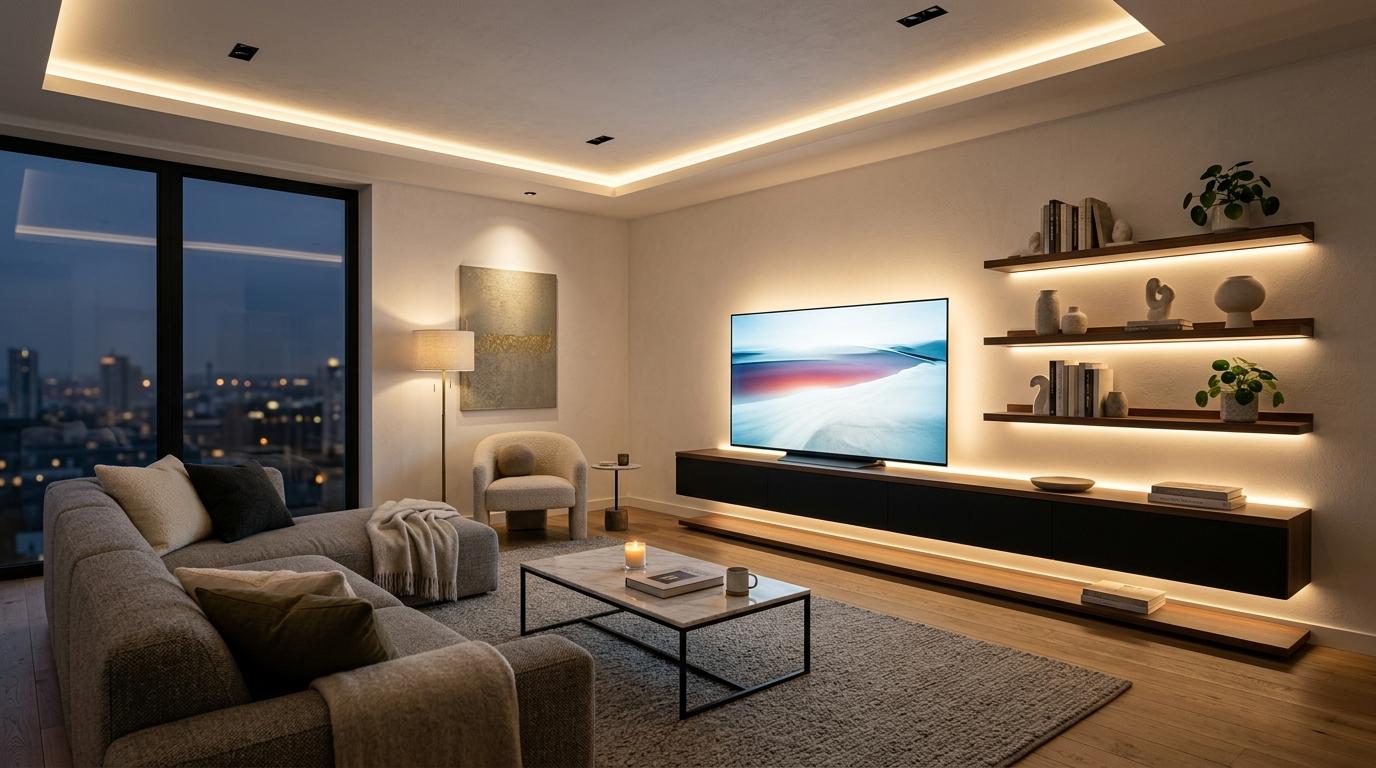
Choosing the right Led Light is an important part of creating a comfortable and functional environment. Whether you are upgrading a home, managing a commercial property, or developing an industrial facility, suitable lighting can improve visibility and support everyday activities.
Modern LED technology offers different fixture designs, brightness levels, and installation options. Understanding these choices helps property owners and businesses select products that match their requirements.
LED stands for Light Emitting Diode. It produces light through semiconductor technology rather than using a heated filament like traditional incandescent bulbs.
This technology offers several advantages, including lower energy consumption, extended operating life, and flexible product designs.
LED products are available in different sizes and configurations. This makes them suitable for small residential rooms, large commercial interiors, warehouses, and outdoor installations.
Different spaces require different lighting arrangements. Understanding the available fixtures makes product selection easier.
LED bulbs are widely used in bedrooms, kitchens, living rooms, and hallways. They are available in different wattages and color temperatures to suit various interior preferences.
Panel lights provide an effective option for offices, schools, hospitals, and retail interiors. Their flat construction works with many modern ceiling systems.
High bay fixtures are designed for large indoor spaces with elevated ceilings. Warehouses, factories, and distribution centers commonly use these products.
Flood lights provide broad light coverage for building exteriors, gardens, sports facilities, and industrial yards. Their suitability depends on brightness, beam angle, and environmental protection.
Wall pack fixtures are installed on building surfaces to improve visibility around entrances, walkways, loading areas, and commercial boundaries.
Shoebox fixtures are commonly used in parking lots, campuses, roadways, and other open commercial spaces. Their optical designs support wider area coverage.
Canopy fixtures are suitable for fuel stations, parking garages, covered walkways, and commercial entrances. Their compact designs accommodate overhead mounting.
LED technology provides several practical benefits for property owners and businesses.
Lower Energy Consumption
LED products generally use less electricity than many conventional lighting technologies to produce comparable light output. This can help reduce operating expenses.
Long Operating Life
Many LED fixtures have extended rated lifespans, reducing the frequency of replacements when properly selected and maintained.
Multiple Lighting Options
Different wattages, color temperatures, beam angles, and fixture styles make LED technology suitable for various applications.
Reduced Maintenance
Longer operating life can reduce maintenance requirements, especially in commercial properties with numerous lighting installations.
Flexible Lighting Controls
Compatible LED products can work with dimmers, motion sensors, timers, and automated building systems.
Before purchasing a lighting product, consider the following specifications.
Lumen Output: Check how much visible light the fixture produces.
Wattage: Review the electrical power required for operation.
Color Temperature: Choose warm, neutral, or cool lighting according to the environment.
Beam Angle: Consider the required distribution of light.
CRI Rating: Review color accuracy when appearance matters.
IP Rating: Check protection against dust and moisture for outdoor applications.
Warranty: Understand the manufacturer's coverage and replacement conditions.
Comparing these specifications can help buyers avoid products that do not meet their installation requirements.
Businesses often require different fixture types across their properties. Offices need suitable lighting for workstations, meeting rooms, and reception areas. Retail stores require appropriate brightness to display products and maintain a comfortable shopping environment.
Industrial facilities have additional requirements. Warehouses need lighting across storage racks and operational areas, while factories may require specialized fixtures based on machinery and working conditions.
Outdoor commercial properties can benefit from flood lights, wall packs, and shoebox fixtures to support visibility around buildings and parking facilities.
Proper maintenance helps keep lighting installations operating as intended.
Regularly inspect fixtures for visible damage, loose connections, and unusual performance. Clean accessible lenses and covers according to manufacturer instructions to prevent dust accumulation from reducing light output.
For large installations, maintain product specifications and replacement records. Using compatible fixtures during future replacements can help maintain consistent lighting across the property.
Electrical inspections should be performed by qualified professionals when required.
Super Lights provides a starting point for exploring different lighting categories for commercial, industrial, and outdoor applications.
From high bay and flood lights to wall packs, canopy fixtures, flat panels, and shoebox lights, understanding product specifications helps buyers make informed purchasing decisions.
Consider your installation environment, required brightness, and long-term operating needs before selecting a product.
An LED light is more than a source of brightness. It is an important part of a property's functionality, appearance, and energy management.
By understanding available fixture types and comparing technical specifications, homeowners and businesses can select suitable products for their spaces. A carefully planned lighting system supports everyday activities and provides practical value over time.