Indonesia
 English
 Arabic
 French
 Spanish
 Portuguese
 Deutsch
 Turkish
 Dutch
 Italiano
 Russian
 Romaian
 Portuguese (Brazil)
 Greek
What to Know About HVAC System Installation for Your Jackson, WI Home
Home |
2026-11-25 06:36:16
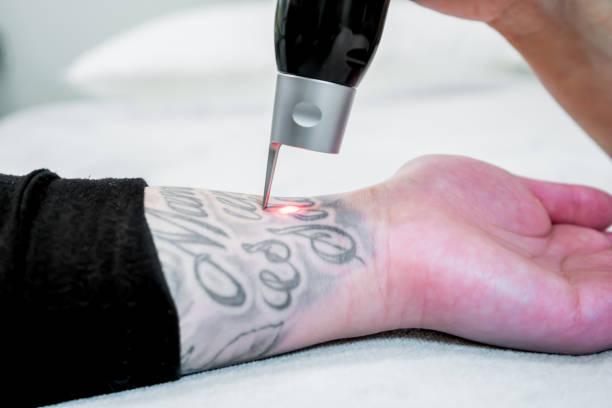
Tattoo ink is designed to remain in the skin for a long time, which is why removing it can be challenging. During laser tattoo removal, specialized laser energy targets the pigment particles beneath the skin without intentionally removing the surrounding skin tissue. Understanding what happens to tattoo ink during Laser Tattoo Removal in Riyadh helps explain how the treatment gradually fades unwanted tattoos and why multiple sessions are often needed to achieve noticeable results.
A tattoo may appear permanent because its ink is deposited into the dermis, the deeper layer of the skin. The body cannot easily eliminate these relatively large pigment particles on its own. However, Laser Tattoo Removal in Riyadh uses controlled pulses of light energy to break the ink into much smaller fragments, allowing the body's natural processes to gradually remove them. The treatment works progressively rather than making the tattoo disappear immediately.
When a tattoo is created, a needle deposits pigment particles into the dermis. The body's immune system recognizes these particles as foreign material and attempts to remove them. However, many pigment particles are too large for immune cells to clear efficiently, so they remain trapped within skin cells and surrounding tissue.
Different tattoos contain different types of pigments, including black, blue, green, red, and yellow. These colors respond differently to laser wavelengths, which is one reason tattoo removal results can vary.
Laser tattoo removal works through a process called selective photothermolysis. The laser delivers short, controlled pulses of light that are absorbed by specific tattoo pigments. The absorbed energy creates a rapid effect that breaks larger ink particles into smaller fragments.
During treatment, the practitioner selects an appropriate laser wavelength based on the tattoo's ink colors and other characteristics. Dark pigments, particularly black ink, often absorb laser energy effectively, while some lighter colors may require different wavelengths.
The laser energy causes the targeted pigment particles to break into much smaller pieces. These fragments are easier for the body's immune system to process than the original particles. The surrounding skin is treated with care to limit unnecessary exposure to laser energy.
After the laser breaks down the pigment, immune cells, particularly macrophages, help transport and clear the smaller fragments through the body's natural waste-removal pathways. This process takes time, which explains why tattoo fading continues after the treatment session.
No. Laser treatment does not physically lift all the ink out of the skin during the appointment. Instead, it breaks down pigment particles so the body can gradually clear them.
Some tattoos may look temporarily lighter immediately after treatment, while others develop visible fading over the following weeks. Mild redness, swelling, or temporary whitening of the treated area can also occur. These effects are part of the skin's response to treatment and do not indicate that all pigment has been removed.
The gradual fading process is an important part of Laser Tattoo Removal in Riyadh, as the skin needs time to recover and the immune system needs time to process the fragmented ink between sessions.
Tattoo ink fades gradually because the body needs time to clear the fragmented pigment. The laser performs the initial breakdown, but the immune system does much of the subsequent removal work.
Several factors influence how quickly this happens:
Large tattoos or designs containing dense layers of pigment may require more treatment sessions. A tattoo with several overlapping colors can also take longer to fade than a simple design.
Black and dark blue inks often respond well to commonly used laser wavelengths. Green, turquoise, yellow, and certain other pigments may be more challenging because they absorb different wavelengths of light.
Ink deposited deeper in the skin may be more difficult to target. Older tattoos sometimes fade more readily because some pigment has already been gradually removed by the body's immune system.
Every person's skin and immune system respond differently. Circulation, general health, skin characteristics, and the body's ability to clear fragmented pigment can influence the fading process.
The period between sessions is important because the skin needs time to heal and the immune system continues processing the fragmented pigment. During this time, the tattoo may gradually become lighter, even though no additional laser treatment is being performed.
The practitioner usually recommends an appropriate interval between appointments based on the treatment area, skin response, and tattoo characteristics. Having sessions too close together may increase the risk of irritation and other unwanted skin reactions.
Following aftercare instructions also supports recovery. Patients should keep the treated area clean, avoid picking or scratching any blisters or scabs, protect the skin from direct sunlight, and follow the practitioner's guidance.
Many tattoo pigments can be targeted with laser technology, but not every color responds equally. Black ink is generally among the easier pigments to treat, while certain bright or light-colored inks can be more resistant.
Professional tattoos may contain complex pigment mixtures, and cosmetic tattoos can include ingredients that respond unpredictably to laser exposure. In some cases, particular pigments may darken after laser treatment. A qualified practitioner should assess the tattoo before treatment and select an appropriate approach.
Complete removal cannot be guaranteed. Some tattoos fade substantially, while others may leave a faint shadow or residual pigment.
Laser tattoo removal is designed to target pigment while minimizing damage to surrounding tissue. However, temporary skin reactions are possible. These can include redness, swelling, tenderness, blistering, crusting, and temporary changes in skin pigmentation.
The likelihood of side effects depends on factors such as the laser settings, skin type, tattoo location, and aftercare. An appropriate assessment and carefully selected treatment settings help reduce unnecessary risks. Patients should discuss their medical history, previous tattoo treatments, and any concerns with a qualified practitioner before starting.
A professional assessment helps determine the tattoo's ink colors, depth, density, location, and suitability for laser treatment. The practitioner can also evaluate skin characteristics and discuss realistic expectations.
At Royal Clinic Saudia, patients can seek an individual assessment to understand the laser tattoo removal process, expected fading, possible skin reactions, and the recommended treatment plan. A personalized approach helps ensure that treatment decisions are based on the tattoo and the patient's skin needs.
If you want to understand how laser technology can help fade an unwanted tattoo, arrange a consultation at Royal Clinic Saudia. The clinic's team can assess your tattoo, explain how the ink may respond to treatment, and guide you through the recommended sessions and aftercare for your skin.
Laser treatment breaks tattoo pigment into smaller fragments. The body's immune system then gradually processes and clears these fragments over time.
After laser treatment, fragmented ink is gradually transported and cleared by immune cells through the body's natural waste-removal processes.
The immune system continues clearing fragmented pigment after the appointment. This gradual process can make the tattoo appear lighter over the weeks following treatment.
Different ink colors respond differently to laser wavelengths. Many colors can be treated, but some are more resistant, and complete removal is not guaranteed.