Indonesia
 English
 Arabic
 French
 Spanish
 Portuguese
 Deutsch
 Turkish
 Dutch
 Italiano
 Russian
 Romaian
 Portuguese (Brazil)
 Greek
AGS Battery Price in Pakistan: 100 Amp and 100Ah Battery Guide 2026
Other |
2026-10-26 16:37:54
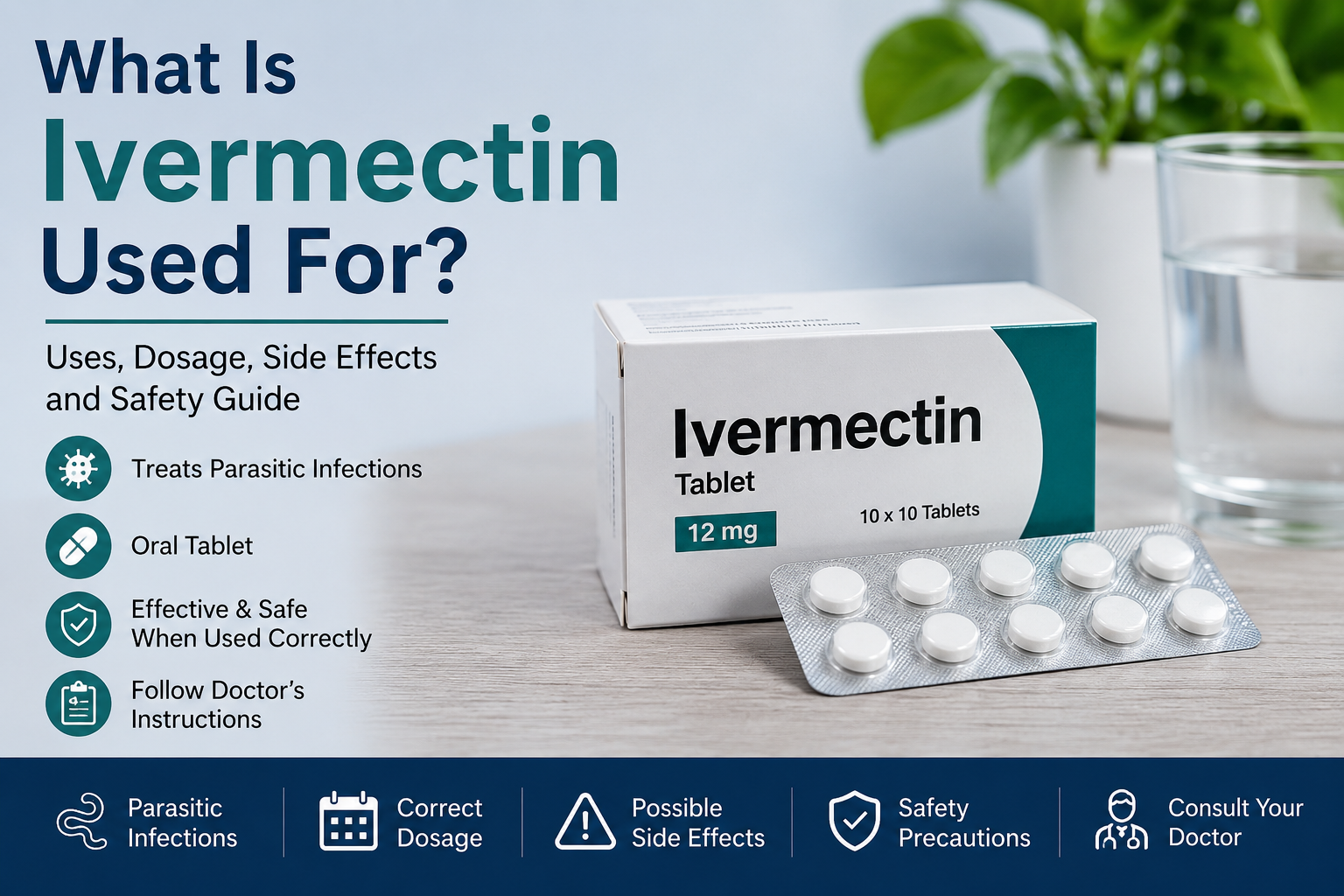
Ivermectin is an antiparasitic medicine used to treat certain infections caused by worms and parasites. It works by affecting the nervous system of susceptible parasites, causing them to become paralysed and die. As the infection improves, the body can gradually recover from symptoms caused by the parasites.
But what actually happens inside your body after taking ivermectin? Does it kill parasites immediately? Can it cause side effects? And what should you expect after taking a dose?
Let's look at how ivermectin works, what changes you may notice, and the precautions you should know.
After you take an oral ivermectin tablet, the medicine is absorbed into your bloodstream. It then acts against certain parasites that are sensitive to the drug.
Ivermectin affects specific chloride channels in the nerve and muscle cells of parasites. This disrupts their normal nerve signals, leading to paralysis and eventually death.
The medicine does not work against every type of parasite. Its effectiveness depends on the infection being treated and the parasite's life cycle.
The effects can vary depending on your health, the type of infection, and the prescribed dose. Here are some changes that may occur.
Ivermectin targets susceptible parasites in the body. For example, it is used to treat intestinal strongyloidiasis, an infection caused by the Strongyloides stercoralis worm.
By affecting the parasite's nervous system, ivermectin helps eliminate the susceptible parasites responsible for the infection.
When treatment works, symptoms caused by the infection may gradually improve. Depending on the condition, these may include:
Stomach discomfort
Diarrhoea
Skin irritation
Itching
Other symptoms linked to a parasitic infection
Improvement does not always happen immediately. Some symptoms may take time to settle, and certain infections require follow-up treatment or testing.
After absorption, ivermectin is processed mainly by the liver. The medicine and its metabolites are eliminated primarily through the faeces.
The average half-life of ivermectin in human plasma is approximately 18 hours. However, this does not mean that all effects of treatment disappear after 18 hours.
Like other medicines, ivermectin can cause side effects. Some people experience none, while others may notice mild symptoms.
Commonly reported side effects include:
Nausea
Diarrhoea
Dizziness
Vomiting
Stomach pain or bloating
Loss of appetite
Weakness
Constipation
These effects may be temporary, but contact a healthcare professional if they become severe or do not improve.
Although serious reactions are uncommon, they can occur. Seek urgent medical attention if you experience:
Severe skin rash, blistering, or peeling
Swelling of the face, lips, or tongue
Difficulty breathing
Severe confusion or unusual drowsiness
Seizures or loss of consciousness
People being treated for certain infections may also experience reactions related to the death of parasites. These can include fever, itching, rash, swelling, and joint discomfort.
The time needed for ivermectin to work depends on the infection being treated.
For some infections, a prescribed treatment may involve a single dose. Other conditions may require additional doses or repeat treatment at a later time.
For example, oral ivermectin treatment for scabies may require a second dose because the medicine does not reliably kill scabies eggs. The timing should be determined by a healthcare professional.
Do not take extra tablets if symptoms continue. Persistent symptoms may mean that you need further assessment rather than another dose.
Before using ivermectin, tell your doctor about your medical history and any medicines or supplements you take.
You should also discuss the following:
Pregnancy or breastfeeding: Ask a healthcare professional before using ivermectin.
Liver problems: Your medical history may affect treatment decisions.
Other medicines: Some medicines can interact with ivermectin.
Low body weight in children: Safety and treatment recommendations depend on age and weight.
Possible Loa loa infection: People who have lived in or travelled to certain areas of Central and West Africa may need special assessment before treatment.
Always use human ivermectin products as prescribed. Veterinary ivermectin products are not intended for human use.
No. Ivermectin should not be taken simply as a general health supplement or for an infection that has not been properly assessed.
Taking it without a clear medical reason may expose you to unnecessary side effects and delay the correct diagnosis.
Ivermectin begins acting against susceptible parasites after absorption, but the treatment effect and symptom improvement may take time. The exact timeline depends on the infection.
You may not receive any health benefit, but you can still experience side effects such as nausea, dizziness, diarrhoea, or stomach discomfort. It should only be used when medically indicated.
Yes. Ivermectin is metabolised mainly by the liver. Tell your healthcare professional if you have a history of liver problems before taking it.
Daily use is not appropriate for everyone. The treatment schedule depends on the infection, body weight, and clinical guidelines. Follow the schedule prescribed by your healthcare professional.
The average plasma half-life is approximately 18 hours. However, the medicine and its metabolites may take longer to be fully eliminated from the body.
Ivermectin is an antiparasitic medicine that works by disrupting the nerve and muscle activity of certain parasites. It can help treat specific infections, but its effects, treatment schedule, and possible side effects depend on the condition being treated.
Use ivermectin only for an appropriate medical reason and follow your healthcare professional's instructions. Taking more than prescribed does not make treatment more effective and may increase the risk of harmful effects.
Medical disclaimer: This article is for educational purposes only and does not replace professional medical advice, diagnosis, or treatment. Always consult a qualified healthcare professional before taking ivermectin.