Indonesia
 English
 Arabic
 French
 Spanish
 Portuguese
 Deutsch
 Turkish
 Dutch
 Italiano
 Russian
 Romaian
 Portuguese (Brazil)
 Greek
Manual Therapy in Kharghar: Improve Mobility and Manage Pain Naturally
Wellness |
2026-11-25 06:27:57
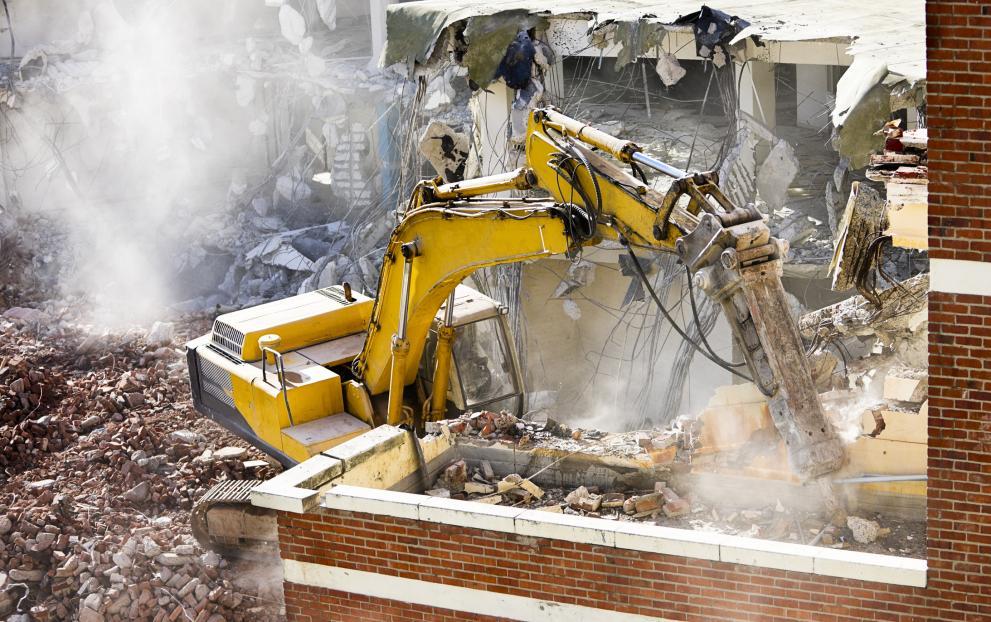
Before starting a demolition project, it is important to know how much the work may cost. Whether you want to remove an old building, take down a damaged structure, or clear part of your property, getting an estimate helps you plan your budget. Demolition work involves more than knocking down walls or removing materials. It may include site preparation, labor, equipment, waste removal, and safety measures. Understanding these details can help you avoid unexpected costs during the project.
A demolition estimate gives you an idea of the expected expenses before work begins. It also helps you understand which services are included and what may cost extra. However, the final price can vary depending on the size of the structure, its condition, the type of materials, and the amount of work required. Taking time to collect the right information will make it easier to receive an accurate estimate.
If you are planning a project and looking for Demolition Services in Lawndale NC, it is helpful to speak with contractors who can inspect your property and understand your requirements. A proper estimate should be based on the actual condition of the site rather than a general price.
The first step is to identify the type of demolition project you want to complete. Not every demolition job requires the same equipment, workers, or preparation. For example, removing a few interior walls is different from taking down an entire house.
Common types of demolition include:
Interior demolition: Removing walls, ceilings, floors, cabinets, and other indoor features while keeping the main structure intact.
Exterior demolition: Removing outdoor structures, damaged sections, porches, or other parts of a property.
Building demolition: Taking down an entire residential, commercial, or industrial building.
Concrete demolition: Breaking and removing concrete driveways, sidewalks, foundations, or slabs.
Selective demolition: Removing specific parts of a structure without damaging the areas that need to remain.
Knowing which service you need helps a contractor understand the project and prepare a suitable estimate.
When requesting a demolition estimate, share as much information about your property as possible. Contractors need basic details to understand the size and condition of the structure.
Useful information includes:
Property location.
Building size or approximate square footage.
Number of floors.
Type of structure and building materials.
Current condition of the property.
Areas that need to be removed.
Whether the site is easy to access.
You can also provide photographs of the building and the areas you want removed. Pictures help contractors get an early idea of the work involved. However, photographs may not show hidden problems, so an on-site inspection may still be necessary.
An on-site inspection is one of the most important steps when getting a demolition estimate. A contractor can examine the property, check its surroundings, and identify possible problems before giving you a price.
During the inspection, the contractor may look at the building's structure, nearby roads, utility connections, trees, fences, and surrounding properties. They may also check whether heavy equipment can reach the site.
The inspection can reveal issues that may affect the total cost. For example, a building with a weak foundation, limited access, or difficult-to-remove materials may require additional labor and equipment.
It is also important to discuss whether permits, utility disconnections, or special safety arrangements are required. These requirements depend on the location and type of project.
A demolition estimate should explain what the contractor will do and which expenses are included in the quoted price. Do not focus only on the final amount. A lower estimate may leave out important services that you will need to arrange separately.
Check whether the estimate includes:
Labor and demolition equipment.
Site preparation and safety measures.
Removal of the selected structure or materials.
Loading and transportation of debris.
Disposal fees.
Site cleanup after demolition.
Permit-related costs, if included in the contractor's scope.
Ask about any additional charges that could come up during the project. For example, unexpected underground structures or hazardous materials may require separate work. Getting these details in writing can prevent confusion later.
Several factors influence how much demolition work will cost. Understanding them helps you compare estimates and decide whether the quoted price is reasonable.
Size of the structure: Larger buildings usually require more workers, equipment, and time to remove.
Building materials: Wood, brick, concrete, and steel require different removal methods. Heavy or reinforced materials may take more time and specialized equipment.
Site accessibility: If trucks and machinery cannot reach the property easily, workers may need extra time to move materials.
Waste removal: The amount and type of debris affect transportation and disposal expenses. Some materials may also require special handling.
Location and permits: Local rules, permit requirements, and disposal facilities can affect the overall project budget.
Hidden conditions: Underground foundations, old utility lines, and hazardous materials may increase the cost if they are discovered during the work.
Contractors should explain which of these factors apply to your project.
It is a good idea to request estimates from at least two or three qualified demolition contractors. Comparing different quotes helps you understand the expected price range and the services each company provides.
However, avoid choosing a contractor based only on the lowest price. One estimate may include debris removal and site cleanup, while another may charge for these services separately.
Compare the following details:
Total estimated project cost.
Services included in the price.
Expected project timeline.
Equipment and labor requirements.
Waste removal arrangements.
Insurance and safety practices.
Possible additional expenses.
You should also ask whether the contractor has experience with projects similar to yours. A clear written estimate makes it easier to understand the agreement before work starts.
For property owners considering a demolition project in the local area, Foothills Construction Grading & Demolition is a company worth considering for its construction, grading, and demolition work. Its range of services can be useful when a project involves removing structures and preparing land for the next stage. Property owners should discuss their site conditions and project requirements directly with the company to understand the work involved and the expected costs.
Before accepting an estimate, make sure the contractor understands the local rules that apply to your project. Some demolition jobs require permits or approvals from local authorities. Requirements can vary based on the building type, location, and amount of demolition involved.
Utility services such as electricity, gas, water, and sewer connections may also need to be disconnected or handled by qualified professionals before demolition begins.
Ask the contractor about insurance coverage and worker safety procedures. Proper safety planning helps protect workers, nearby properties, pedestrians, and other people around the site.
If the building may contain asbestos, lead-based paint, or other hazardous materials, testing and proper removal may be required before regular demolition work can begin. These materials should never be handled without the correct training and precautions.
Once the contractor has inspected your property and reviewed your requirements, request a written estimate. It should clearly explain the project scope, expected costs, payment terms, and estimated timeline.
Read the document carefully before signing an agreement. Check whether the price is fixed or may change if unexpected conditions are found. You should also understand how additional work will be approved and charged.
If anything is unclear, ask questions before the project begins. A professional contractor should be able to explain the estimate in simple terms and tell you what to expect at each stage.
Getting a demolition services estimate is an important part of planning any property removal project. Start by understanding the work you need, sharing accurate property details, and arranging an on-site inspection. Then compare written estimates, check what services are included, and discuss possible additional expenses.
Taking these steps helps you prepare a realistic budget and reduces the chance of unexpected costs. Most importantly, choose a qualified contractor who understands the work, follows safety requirements, and provides clear information about the entire demolition process.
A detailed estimate gives you a better starting point and helps you move forward with your project with greater confidence.