Indonesia
 English
 Arabic
 French
 Spanish
 Portuguese
 Deutsch
 Turkish
 Dutch
 Italiano
 Russian
 Romaian
 Portuguese (Brazil)
 Greek
Which Holds Value Better in a Tudor vs. Rolex Debate
Shopping |
2026-11-06 15:05:45
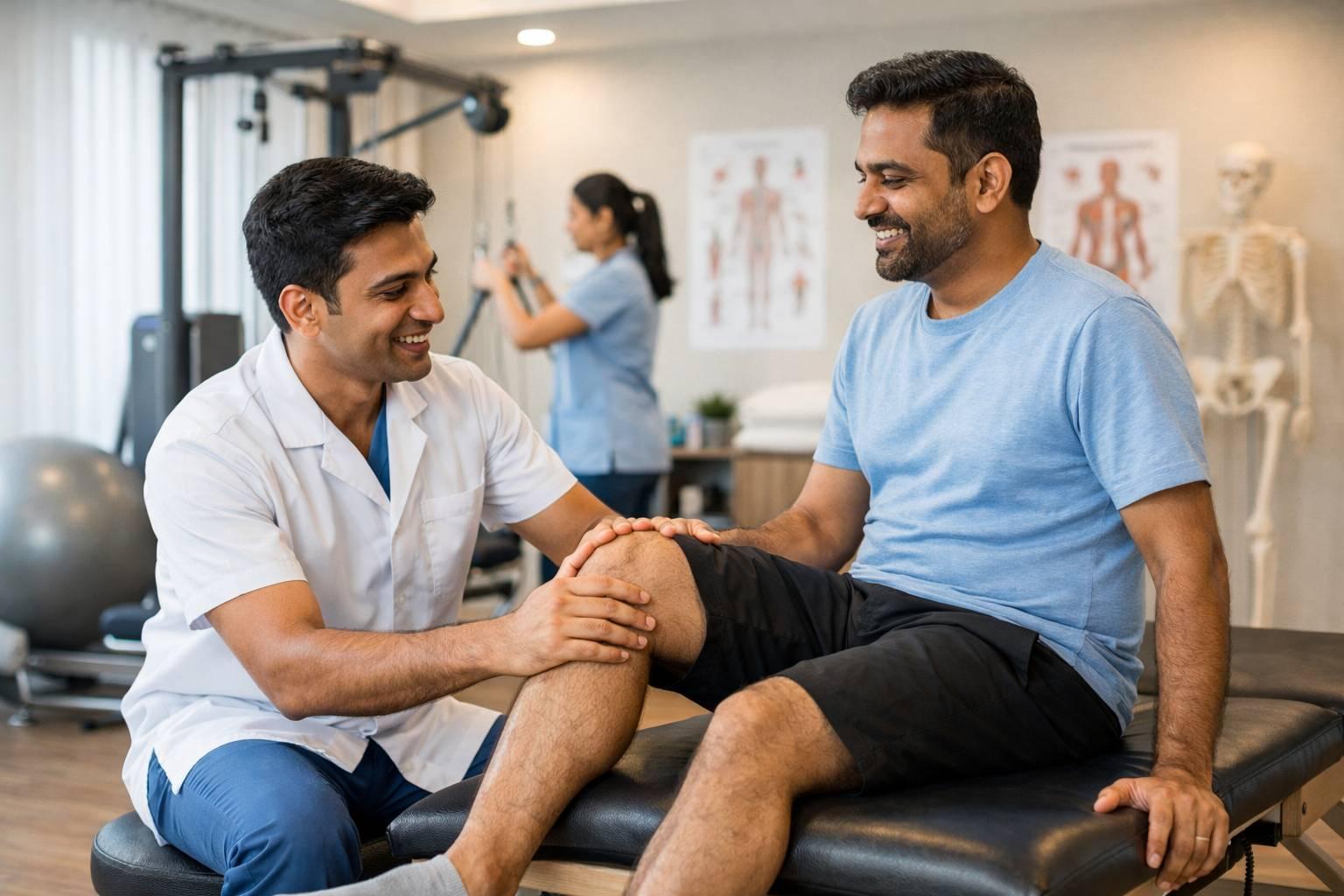
Muscle stiffness, joint discomfort, back pain, and restricted movement can make even simple daily activities challenging. Whether you spend long hours sitting at a desk, perform physically demanding work, participate in sports, or are recovering from an injury, persistent discomfort can affect your overall quality of life.
Physiotherapy offers several approaches to managing these problems, including hands-on treatment, therapeutic exercises, and technology-assisted modalities. Among these approaches, manual therapy is widely used to address movement restrictions and musculoskeletal discomfort.
For people exploring Manual Therapy in Kharghar, understanding how different physiotherapy techniques work can help them make informed decisions about their recovery.
Manual therapy is a specialised physiotherapy approach involving hands-on techniques performed by trained physiotherapists. It focuses on improving joint movement, managing pain, reducing stiffness, and addressing restrictions in muscles and surrounding soft tissues.
Depending on the patient's condition, a physiotherapist may use techniques such as:
Joint mobilisation to improve restricted joint movement.
Soft tissue mobilisation to address muscle tightness.
Gentle stretching to improve flexibility.
Myofascial techniques to address soft tissue restrictions.
Manual techniques to support comfortable movement and functional recovery.
Manual therapy is not simply a massage. It involves clinical assessment and the selection of appropriate techniques according to the patient's symptoms, movement limitations, and treatment goals.
It is frequently combined with strengthening exercises, flexibility training, posture correction, and functional rehabilitation.
Manual therapy may be considered as part of a treatment programme for several musculoskeletal conditions.
Long working hours, poor workstation ergonomics, and prolonged screen use may contribute to neck discomfort and reduced mobility.
A physiotherapist may use suitable manual techniques alongside mobility exercises, strengthening, and ergonomic advice to improve neck function.
Lower back discomfort can develop due to several factors, including muscle weakness, movement restrictions, prolonged sitting, and certain spinal conditions.
Depending on the assessment, manual therapy may help manage symptoms and improve movement. A rehabilitation programme generally also includes exercises to improve trunk strength, flexibility, and movement control.
Frozen shoulder, also known as adhesive capsulitis, causes pain and progressive stiffness around the shoulder joint.
Patients may find it difficult to lift their arms, reach behind their backs, or perform everyday activities comfortably.
Treatment may involve appropriately graded joint mobilisation, gentle stretching, and progressive shoulder exercises. The intensity of treatment should be adjusted according to the stage and irritability of the condition.
Knee discomfort can affect walking, climbing stairs, squatting, and exercise.
Depending on the underlying cause, manual therapy may be used alongside quadriceps strengthening, hip exercises, balance training, and movement retraining.
Sports injuries may involve muscle strains, ligament injuries, tendon problems, and joint restrictions.
Manual therapy can sometimes form part of a broader rehabilitation programme designed to restore comfortable movement and improve physical performance.
However, the treatment approach must depend on the injury diagnosis and healing stage.
Along with hands-on techniques, physiotherapy may include electrical modalities to support pain management and muscle rehabilitation.
Electrotherapy Physiotherapy in Kharghar can involve different technologies that use controlled electrical or other physical energy to achieve specific therapeutic goals.
Some commonly used modalities include:
Transcutaneous Electrical Nerve Stimulation (TENS) uses low-voltage electrical impulses delivered through electrodes placed on the skin.
It is primarily used to help manage certain types of pain by stimulating sensory nerves. Patients generally experience a mild tingling sensation during treatment.
IFT uses medium-frequency electrical currents to deliver stimulation to selected areas.
It may be used as an adjunct for symptom management in certain musculoskeletal conditions. Its suitability depends on the patient's clinical assessment.
Therapeutic ultrasound uses sound waves to deliver energy into targeted tissues. It may be considered in selected rehabilitation situations, although evidence of benefit varies by condition.
It should not be confused with diagnostic ultrasound imaging.
Electrical muscle stimulation activates selected muscles using controlled electrical impulses.
It may be useful in certain rehabilitation situations, particularly when muscle activation is difficult or needs additional assistance.
Electrotherapy may be included in a treatment plan to:
Help manage selected pain conditions.
Support muscle activation.
Complement other rehabilitation techniques.
Assist treatment when movement is initially uncomfortable.
Provide additional therapeutic options based on clinical needs.
Electrotherapy is not a replacement for active rehabilitation. Exercise, progressive strengthening, and functional movement training remain important components of many recovery programmes.
Pain management is not just about temporarily reducing discomfort. Long-term rehabilitation aims to improve the patient's ability to move, perform daily activities, and participate in work or sports.
Rehabilitation & Pain Management Physiotherapy in Kharghar may combine several approaches according to the patient's condition and functional goals.
The first step is identifying the possible cause of pain and understanding how it affects movement.
An assessment may include:
Medical and injury history.
Joint mobility and flexibility.
Muscle strength.
Posture and movement patterns.
Functional activities such as walking, bending, and reaching.
Relevant medical investigations when available.
This information helps the physiotherapist develop an appropriate treatment plan.
Therapeutic exercises are important for restoring physical capacity.
Depending on the condition, exercises may focus on:
Improving joint mobility.
Increasing muscle strength.
Developing flexibility.
Improving balance and coordination.
Restoring functional movement.
Building endurance.
Exercise intensity should progress according to the patient's recovery and tolerance.
Incorrect movement habits and prolonged poor positioning may contribute to recurring discomfort in some individuals.
Physiotherapy may include workstation guidance, lifting techniques, movement education, and exercises that improve postural control.
Recovery following an injury or surgery requires a structured approach.
Rehabilitation may involve swelling management, gradual restoration of movement, strengthening, balance exercises, and functional training.
The programme must follow medical and surgical precautions, especially after ligament reconstruction, joint replacement, or fracture treatment.
People experiencing recurring musculoskeletal pain may benefit from a combination of education, physical activity, appropriate exercises, and self-management strategies.
The goal is to improve physical function and help patients manage their symptoms more confidently.
Both techniques may be used in physiotherapy, but they work differently.
| Manual Therapy | Electrotherapy |
|---|---|
| Uses hands-on techniques | Uses therapeutic electrical stimulation or other physical energy |
| Focuses on joint and soft tissue movement | Often used for symptom management or muscle stimulation |
| Performed through skilled manual techniques | Delivered using specialised equipment |
| May include mobilisation and soft tissue techniques | May include TENS, IFT, and muscle stimulation |
| Often combined with exercise | Usually complements other rehabilitation methods |
Neither approach is automatically better than the other. The most suitable option depends on the patient's diagnosis, symptoms, treatment goals, and response to therapy.
In many cases, a combination of appropriate techniques and exercise-based rehabilitation provides a more comprehensive approach.
Selecting a suitable physiotherapy clinic is an important part of your recovery journey.
Before beginning treatment, consider the following factors:
Qualified physiotherapists: Check the professional qualifications and relevant clinical experience of the treating physiotherapist.
Individual assessment: Your treatment should be based on your symptoms, medical history, and physical examination rather than a standard routine.
Comprehensive treatment: Look for a rehabilitation approach that considers manual techniques, therapeutic exercises, and other suitable treatment options.
Progress monitoring: Your treatment programme should be reviewed and modified according to your progress.
Patient education: A good physiotherapist should explain your condition, treatment options, precautions, and home exercise programme.
Appropriate referrals: Some conditions require medical investigation or specialist consultation. A responsible clinic should recognise when additional medical care is necessary.
Many patients expect immediate relief after starting physiotherapy. Although some people experience early improvements, recovering from long-standing pain, injuries, or movement restrictions can take time.
Consistency is important because rehabilitation involves gradual improvements in strength, mobility, coordination, and physical tolerance.
Following your prescribed home exercise programme, attending recommended sessions, and avoiding activities that aggravate your condition can support recovery.
Patients should also communicate changes in symptoms, discomfort during exercise, or any new problems to their physiotherapist.
Living with recurring pain or restricted movement can affect your work, exercise routine, and everyday independence. The right physiotherapy approach can help identify movement problems and create a structured plan for improving physical function.
If you are looking for Manual Therapy in Kharghar, it is worth considering a comprehensive approach that combines suitable hands-on techniques with active rehabilitation.
Similarly, people exploring Electrotherapy Physiotherapy in Kharghar or rehabilitation services can benefit from understanding which treatment options are appropriate for their particular condition.
WeCare Physiotherapy aims to support patients through physiotherapy and rehabilitation approaches focused on improving movement, managing discomfort, and restoring everyday function.
Remember that effective rehabilitation is not about relying on a single machine or technique. It is about understanding the underlying problem, choosing appropriate treatment, and consistently working towards better movement and long-term physical well-being.