Indonesia
 English
 Arabic
 French
 Spanish
 Portuguese
 Deutsch
 Turkish
 Dutch
 Italiano
 Russian
 Romaian
 Portuguese (Brazil)
 Greek
Power BI Course
Other |
2026-11-19 10:42:40
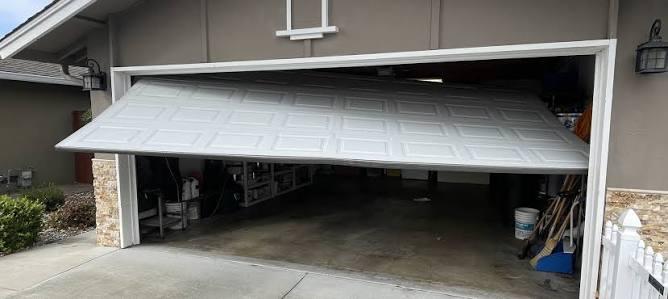
Commercial Overhead Door Installation is an important investment for businesses that depend on secure, convenient, and reliable building access. Warehouses, distribution centers, workshops, automotive facilities, and commercial properties often use overhead doors to manage deliveries, protect equipment, and maintain an organized working environment. Selecting the right door involves more than choosing a suitable size or appearance. Businesses must consider daily traffic, building layout, operational requirements, safety features, and compatibility with the door operating system.
A properly planned installation can support smoother facility operations while reducing avoidable interruptions. The right design also helps businesses manage access, protect stored materials, and make better use of available space. Legacy Garage Doors understands the importance of considering these practical requirements when planning commercial overhead door projects.
Commercial properties often have different access requirements from residential buildings. A warehouse may need frequent loading access, while an automotive workshop may require a door that opens and closes reliably throughout the working day. A manufacturing facility might prioritize security, controlled movement, and separation between indoor and outdoor environments.
Planning helps businesses identify these requirements before selecting equipment. Without an appropriate evaluation, a door may create operational difficulties even if it fits the opening correctly.
Important planning considerations include:
· Daily operating activity: Estimate how frequently employees, vehicles, and delivery equipment will use the entrance.
· Opening dimensions: Confirm the width, height, headroom, and side clearance available for the installation.
· Building purpose: Consider whether the space is used for storage, manufacturing, vehicle servicing, or distribution.
· Environmental conditions: Evaluate exposure to wind, moisture, temperature changes, and dust.
· Security requirements: Determine the level of access control and physical protection the property needs.
These details help create a more practical installation plan and reduce the likelihood of selecting equipment that does not match the facility's needs.
The best door type depends on how a business uses its building. Different commercial environments require different combinations of space efficiency, durability, insulation, and operating performance.
Sectional doors consist of connected horizontal panels that move along tracks as the door opens. They are commonly considered for warehouses, workshops, and commercial garages because they move vertically and then follow the ceiling tracks.
This design can help preserve usable space around the entrance. Businesses should evaluate panel construction, track configuration, available headroom, and insulation requirements before selecting a sectional system.
Rolling steel doors coil into a compact space above the opening. They can be suitable for commercial facilities where overhead clearance is limited or where a durable access barrier is required.
Their design may work well for storage areas, industrial spaces, and certain service entrances. However, the required operating environment, security expectations, and maintenance needs should be reviewed before installation.
Temperature control can be important for businesses that store temperature-sensitive products or operate in buildings where indoor comfort matters. Insulated overhead doors can help reduce heat transfer through the door assembly.
The insulation level should be selected according to the building's actual requirements. Businesses should also consider panel construction, perimeter sealing, and the performance of the complete building envelope rather than relying on insulation alone.
Facilities with frequent vehicle movement may need doors designed for repeated operation. A high-cycle application requires careful attention to the door's operating hardware, spring system, opener capacity, and expected usage.
Selecting equipment according to actual operating demands can help businesses avoid unnecessary strain on individual components.
A commercial overhead door project should begin with a site assessment rather than an immediate equipment selection. Measurements and building conditions can influence which door systems are suitable.
The installation team should assess the clear opening width and height, side room, headroom, and backroom. These measurements help determine whether the selected door and track arrangement can fit the available space.
Businesses should also identify obstructions such as lighting fixtures, pipes, ventilation equipment, electrical wiring, and structural beams. These features can affect the installation layout.
The surrounding wall, framing, and mounting surfaces must be suitable for the door system. A commercial door can place significant loads on its supporting structure, particularly during repeated operation.
If the existing building requires reinforcement or modifications, those requirements should be identified before installation work begins. Structural suitability should be assessed by qualified professionals.
Automatic commercial doors may require dedicated electrical connections, control stations, safety devices, and access-control integration. Businesses should identify these requirements early so the installation plan accounts for them.
For properties using security systems, it is also important to consider how the door will interact with employee access procedures and emergency arrangements.
The opener is an important part of a commercial overhead door system. Even a well-selected door may not perform as expected if its operating equipment is unsuitable for the door's weight, dimensions, and usage frequency.
Businesses should consider opener capacity, operating speed, duty cycle, control options, and compatibility with the installed door. A system designed for occasional use may not be appropriate for a facility where vehicles pass through the entrance throughout the day.
The operating system should also include suitable safety features. Photoelectric sensors, monitored safety devices, and appropriate control arrangements can help reduce risks associated with automated door movement.
Installation planning should also account for the condition of an existing opener when a business is replacing only the door or upgrading part of its current system. An older opener may not be compatible with a new door or may require professional assessment before continued use.
A Commercial Garage Door Opener Repair Service may be relevant when the existing system experiences inconsistent movement, unusual noises, control problems, or failure to complete its operating cycle. Businesses should avoid assuming that every opener problem requires complete replacement. A qualified inspection can help identify whether adjustment, repair, or replacement is appropriate.
When evaluating a Commercial Garage Door Opener Repair Company, businesses should look for experience with commercial operating systems rather than relying only on general residential garage door experience.
A suitable Commercial Garage Door Opener Repair Contractor should be able to assess the opener alongside the door's mechanical components and safety equipment. Similarly, a Commercial Garage Door Opener Repair Specialist can help identify system-specific issues, while a qualified Commercial Garage Door Opener Repair Technician can inspect and service the equipment according to the manufacturer's requirements.
This distinction matters because opener performance depends on the complete door assembly, not just the motor.
Commercial door installation can affect deliveries, employee movement, vehicle access, and daily operations. A project schedule should therefore be coordinated with the facility's working hours and operational priorities.
Businesses can reduce disruption through several practical steps:
1. Identify essential access points: Determine which entrances must remain available during the project.
2. Coordinate installation timing: Schedule work during quieter operating periods when practical.
3. Arrange alternative access: Establish temporary routes for employees, vehicles, and deliveries if required.
4. Communicate with staff: Inform relevant teams about access restrictions and expected work periods.
5. Protect nearby equipment: Move vehicles, inventory, and machinery away from the installation area.
6. Confirm completion requirements: Establish how the door will be tested and handed over before normal operations resume.
A clear schedule can help prevent confusion and make it easier to coordinate contractors, employees, and delivery teams.
Safety should be considered throughout the selection and installation process. Commercial overhead doors can be heavy, operate automatically, and move through areas where employees or vehicles may be present.
The appropriate safety equipment depends on the door design, operating system, and site conditions.
Photoelectric sensors can detect an obstruction in the door's travel path. When properly installed and maintained, they help prevent the door from closing when an object interrupts the sensor beam.
Businesses should understand how the door can be operated during a power interruption or system malfunction. Emergency release arrangements must be appropriate for the installed system and accessible to authorized personnel.
Wall-mounted controls should be positioned according to the equipment instructions and site safety requirements. Employees should be able to operate the door without standing in an unsafe position.
Warning lights, audible alerts, and suitable visibility measures may be appropriate in busy commercial environments. These features can help alert nearby workers when an automated door is moving.
Businesses should also establish operating procedures so employees understand restricted areas, manual operation, and emergency response steps.
Commercial overhead door installation costs vary according to the project rather than following one standard price. The selected door system, building conditions, operating requirements, and installation complexity all influence the final scope.
Common cost considerations include:
· Door dimensions and overall weight
· Material and panel construction
· Insulation and weather-sealing requirements
· Track configuration and available clearance
· Opener type and operating capacity
· Safety devices and access-control integration
· Electrical work or structural modifications
· Removal of an existing door and disposal requirements
· Installation access and project scheduling
Businesses should request a detailed project estimate that separates the door equipment, opener, additional components, labor, and any necessary building modifications.
Comparing estimates based only on the total price can be misleading. A proposal should explain what equipment is included and whether the system is suitable for the facility's operating conditions.
Regular inspection and maintenance can help identify developing problems before they interrupt business operations. A commercial overhead door should be treated as working equipment rather than a building feature that can be ignored after installation.
A practical maintenance routine may include:
· Checking door panels for visible damage, corrosion, or loose sections.
· Inspecting tracks and rollers for wear or obstruction.
· Observing the door during opening and closing cycles.
· Checking cables, springs, and mounting hardware for visible problems.
· Testing safety sensors and approved safety functions.
· Reviewing opener controls and unusual operating sounds.
· Checking weather seals for damage or gaps.
· Arranging professional inspections according to the manufacturer's recommendations and usage conditions.
Employees should not attempt to adjust high-tension springs, cables, or other hazardous components. These parts can cause serious injuries if handled incorrectly. Mechanical repairs and adjustments should be completed by qualified technicians.
Commercial door systems involve mechanical, electrical, structural, and safety considerations. Choosing an experienced installation provider can help businesses evaluate these elements before work begins.
When reviewing a provider, consider the following:
· Experience with the specific commercial door type.
· Ability to assess building measurements and installation conditions.
· Understanding of opener compatibility and operating requirements.
· Attention to safety devices and manufacturer instructions.
· Clear project estimates and explanations of included work.
· Availability of inspection and maintenance support.
Businesses should also ask how the provider handles unexpected site conditions and what testing will take place before the system is returned to normal operation.
Legacy Garage Doors can be included in the evaluation process when businesses are considering commercial overhead door installation and want to discuss the requirements of their property. The goal should be to select a door system that supports the facility's actual workflow, rather than choosing equipment based on appearance or price alone.
Commercial overhead door installation involves fitting a door system designed for business or industrial properties. The process may include measuring the opening, evaluating structural support, installing tracks and panels, connecting operating equipment, and testing safety features.
Businesses should consider the building's purpose, opening dimensions, daily operating frequency, security needs, insulation requirements, and available installation space. The selected system should match the facility's working conditions.
Sometimes, but compatibility must be checked. The opener should be suitable for the new door's weight, dimensions, operating requirements, and safety equipment. A professional assessment can determine whether the existing opener can remain in service.
Inspection frequency depends on the manufacturer's recommendations, operating cycles, environmental conditions, and the type of door. Facilities with frequent daily use may require more regular professional inspections.
Possible causes include damaged rollers, track misalignment, worn cables, spring problems, obstructions, or opener-related faults. The system should be inspected to identify the actual cause before repairs are attempted.
Insulation may be valuable for facilities that need better temperature management or want to reduce heat transfer through the entrance. The appropriate insulation level depends on the building's purpose and environmental conditions.
It can temporarily affect access, particularly when the main entrance is being replaced. Businesses can reduce disruption by planning installation schedules, arranging alternative access, and communicating with employees and delivery teams.
Commercial overhead door installation requires careful planning that considers how a business operates every day. Door dimensions, material selection, traffic frequency, opener compatibility, safety equipment, and building conditions all contribute to the success of the project. A system that matches the facility's actual requirements can support dependable access and more organized operations.