Indonesia
 English
 Arabic
 French
 Spanish
 Portuguese
 Deutsch
 Turkish
 Dutch
 Italiano
 Russian
 Romaian
 Portuguese (Brazil)
 Greek
Top Mini MBA Online Programs to Build Business Skills in 2026
Other |
2026-10-26 11:28:21
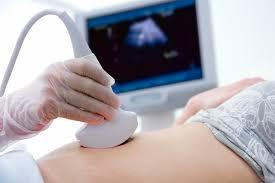
An ultrasound examination helps doctors examine internal organs, soft tissues, and certain blood-flow patterns without using ionising radiation. If you need an ultrasound scan in Bangalore at a diagnostic centre, the first step is understanding which examination your doctor has recommended. Selecting the wrong scan or arriving without the required preparation can result in unnecessary delays and repeat appointments.
Different ultrasound examinations serve different purposes. Understanding these differences helps patients communicate more effectively with diagnostic professionals.
Ultrasound technology uses high-frequency sound waves to produce images of structures inside the body. A sonographer moves a probe over the relevant area, and the equipment displays images in real time.
Doctors may recommend ultrasound to investigate:
Abdominal discomfort or suspected organ abnormalities.
Kidney and urinary system concerns.
Pelvic and reproductive health conditions.
Pregnancy development and fetal anatomy.
Soft-tissue lumps or swelling.
Certain blood-flow abnormalities.
The examination should always be selected according to the clinical question. An abdominal scan, for example, cannot automatically replace a specialised pelvic or vascular examination.
Understanding the different scan categories can make the appointment process easier.
|
Scan type |
Area examined |
Common reason for recommendation |
|
Abdomen ultrasound |
Liver, gallbladder and other abdominal organs |
Investigating abdominal symptoms |
|
Pelvic ultrasound |
Pelvic organs |
Evaluating reproductive or urinary concerns |
|
KUB ultrasound |
Kidneys, ureters and bladder |
Investigating urinary problems |
|
Pregnancy ultrasound |
Developing fetus and pregnancy structures |
Monitoring pregnancy |
|
Breast ultrasound |
Breast tissue |
Evaluating selected breast abnormalities |
|
Scrotal ultrasound |
Scrotal structures |
Investigating swelling or discomfort |
|
Doppler ultrasound |
Blood vessels |
Evaluating circulation |
Your doctor may recommend an additional examination if the initial findings require further investigation.
Searching for an ultrasound scan in Bangalore can reveal numerous diagnostic facilities. However, before selecting one, ask these questions.
1. Is the exact examination available?
Confirm the complete name of the examination rather than simply asking whether ultrasound is available.
2. Is any preparation necessary?
Some abdominal examinations require fasting, while certain pelvic examinations may require a full bladder.
3. Who performs and interprets the examination?
Ask about the availability of trained sonography professionals and qualified radiologist reporting.
4. How long will the appointment take?
The duration depends on the scan type, complexity, and quality of images required.
5. When will the report be available?
If your doctor has scheduled a follow-up appointment, confirm whether the reporting timeline fits your schedule.
One common mistake is assuming that all ultrasound examinations require identical preparation.
For instance, an abdominal examination may require fasting to improve visualisation of certain structures. A pelvic examination may require drinking water and avoiding urination for a specified period.
Other examinations may not require either preparation method.
Follow these steps before visiting:
Obtain the written prescription.
Confirm the exact scan name with the diagnostic centre.
Ask whether fasting or bladder preparation is necessary.
Carry previous reports if available.
Wear clothing that allows easy access to the examination area.
Arrive on time and share relevant medical information.
Never follow preparation advice intended for a different ultrasound examination.
A repeat examination does not necessarily indicate a serious medical problem.
Sometimes the required structures are not clearly visible because of bowel gas, body positioning, movement, or other technical limitations. The radiologist may recommend additional imaging when the original examination does not provide sufficient information.
For example, a patient undergoing an abdominal examination may need a follow-up if an organ cannot be adequately visualised.
Another patient may require a specialised scan because the initial images reveal an area that needs closer assessment.
The decision should depend on the medical findings, not on assumptions.
A hypothetical patient experiences recurring abdominal discomfort and receives a prescription for an abdominal ultrasound.
While searching for a convenient appointment, the patient initially selects a pelvic examination because it is available earlier.
Before confirming the booking, the patient checks the prescription with the diagnostic centre. The staff clarifies that the required examination is an abdominal scan and explains the applicable preparation instructions.
The patient reschedules accordingly and arrives prepared.
Lesson: Confirming the examination name before booking helps prevent unnecessary repeat visits and confusion.
A suitable centre should provide clear information about its available examinations, reporting process, appointment arrangements, and charges.
Ecotown Diagnostics provides diagnostic imaging services in Bengaluru, including abdominal, pelvic, pregnancy-related, and other ultrasound examinations.
Before visiting, confirm the exact service, preparation requirements, current charges, and report availability directly with the centre.
Choosing the correct examination is more important than simply finding the earliest available appointment. Read your prescription carefully, clarify preparation requirements, and select a diagnostic facility that can perform the requested study.
When arranging an ultrasound scan in Bangalore, informed preparation can make the diagnostic process more convenient and help your doctor obtain the information needed for further evaluation.
Ultrasound does not use ionising radiation and is widely used for diagnostic imaging when medically indicated.
No. Fasting depends on the body region and the type of examination.
Many examinations take approximately 20–60 minutes, although complex studies may require additional time.
Ultrasound can help identify certain kidney stones and related urinary tract abnormalities, although additional imaging may sometimes be required.
Yes. Previous reports can help the radiologist understand changes and compare relevant findings.
Booking requirements vary by examination and diagnostic facility. Some studies may require a doctor's prescription or specific clinical documentation.