Indonesia
 English
 Arabic
 French
 Spanish
 Portuguese
 Deutsch
 Turkish
 Dutch
 Italiano
 Russian
 Romaian
 Portuguese (Brazil)
 Greek
Pune Realty Hotspots 2026: Premium Living & Investment Opportunities Across Hinjewadi and Beyond
Other |
2026-04-07 05:59:22
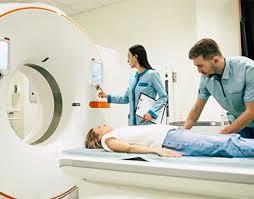
Finding a suitable MRI facility involves more than selecting the closest location. Patients should consider scan availability, safety screening, the type of examination, reporting arrangements, and accessibility before confirming an appointment. If you are comparing reliable MRI Scan Centres near me, understanding these factors can help you avoid unnecessary delays and make an informed decision.
An MRI (Magnetic Resonance Imaging) scan uses magnetic fields and radio waves to create detailed images of internal body structures. Doctors may recommend it to investigate problems involving the brain, spine, joints, muscles, and other soft tissues. However, the correct examination and facility depend on your doctor's instructions and individual medical circumstances.
When searching for diagnostic services, distance naturally becomes an important consideration. However, choosing a facility based only on proximity can create problems.
For example, a patient who needs a specific spinal examination may discover that the selected centre does not offer the required scan protocol. Another patient might book an appointment without checking whether contrast administration is necessary.
Consider these factors before making a decision:
Examination availability: Confirm that the centre performs the exact MRI examination prescribed by your doctor.
Appointment convenience: Check available dates and expected waiting time.
Safety procedures: Ask about implant screening and patient assessment.
Reporting arrangements: Understand when and how the report and images will be provided.
Accessibility: Consider travel time, parking, public transport, and assistance for elderly patients.
A suitable facility should be able to explain its appointment process clearly rather than simply offering a booking slot.
Not every MRI examination follows the same process. Asking the right questions beforehand can prevent confusion.
|
Question |
Why It Matters |
|
Is my prescribed MRI examination available? |
Ensures the correct body part and examination are covered |
|
Is contrast required? |
Helps establish preparation and assessment requirements |
|
What documents should I bring? |
Prevents missing clinical information |
|
When will the report be available? |
Helps coordinate follow-up consultations |
|
Are there specific safety restrictions? |
Identifies concerns involving implants or metal objects |
These questions are particularly useful when comparing facilities in different neighbourhoods.
Preparation depends on the examination. Some scans require little preparation, while others may involve specific instructions regarding food, medication, or contrast administration.
Follow this practical process:
Review the prescription: Confirm the body part and examination requested by your doctor.
Collect previous reports: Bring earlier imaging reports, prescriptions, and relevant medical records.
Disclose medical history: Inform the staff about previous surgeries, implants, pacemakers, and other implanted devices.
Discuss contrast requirements: Ask whether contrast material is planned and whether additional assessment is needed.
Follow clothing instructions: Wear comfortable clothing and be prepared to remove jewellery, watches, and other metallic items.
Arrive with sufficient time: Complete the safety questionnaire before entering the scanning area.
Never hide information about an implant or metal fragment. Some devices are compatible with MRI under specific conditions, while others require additional evaluation. The radiology team must establish compatibility before proceeding.
An enclosed scanner and unfamiliar noises can make some patients uncomfortable. This is especially common among people who experience anxiety in confined spaces.
You can make the process easier by informing the staff before the examination. Ask whether ear protection, communication arrangements, or other comfort measures are available.
Do not take sedatives independently to manage scan-related anxiety. If medication or sedation is being considered, discuss it with your doctor and the imaging team.
Example 1: A working professional with back pain
A professional receives a prescription for a lumbar spine MRI. Instead of booking the first available appointment, the patient confirms that the facility performs the prescribed examination, checks appointment timings, and asks when the report will be ready. This helps coordinate the scan with a subsequent doctor's appointment.
Example 2: An older patient with a previous implant
An older adult needs imaging after experiencing persistent joint discomfort. The patient informs the centre about an earlier surgical procedure and carries available implant documentation. The imaging team can then evaluate MRI compatibility before confirming the examination.
A hypothetical patient named Arun needs an MRI examination following a doctor's recommendation. He initially chooses a centre based only on its location.
During a follow-up call, he discovers that he has not confirmed the precise examination type or whether his previous surgical implant requires screening.
Instead of proceeding without clarification, he contacts the facility again, shares the prescription, and provides information about the implant. The centre can review the relevant details and explain the next steps.
Outcome: The patient avoids an incomplete booking and receives clearer instructions before travelling.
Lesson: Confirm clinical requirements and safety information before prioritising convenience.
Patients comparing diagnostic options can explore EcoTown Diagnostics for information about its diagnostic services in Bengaluru. Its website provides information about MRI appointments and other imaging services.
When reviewing a provider, check the examination details, appointment process, location, and reporting arrangements directly with its team.
Before confirming your appointment, make sure you have:
A valid prescription or doctor's recommendation.
The exact examination details.
Information about previous surgeries and implants.
Confirmation of preparation instructions.
Clarity about charges and reporting timelines.
The centre's appointment and location details.
The best approach is to balance convenience with clinical suitability and patient safety. Comparing these factors helps you make a more informed decision when evaluating MRI Scan Centres near me.
Requirements can vary between facilities and examinations. A doctor's recommendation is important because it identifies the clinical concern and the appropriate scan.
The scanning process is generally painless. However, remaining still for an extended period may cause temporary discomfort.
Preparation depends on the examination and whether contrast or sedation is planned. Follow the instructions provided by the imaging facility.
Yes. Inform the radiology team about previous surgeries, implants, and any known metal fragments so that appropriate safety checks can be performed.
The duration depends on the body part, examination protocol, and whether additional sequences are required. Ask the facility for an estimated appointment duration.