Indonesia
 English
 Arabic
 French
 Spanish
 Portuguese
 Deutsch
 Turkish
 Dutch
 Italiano
 Russian
 Romaian
 Portuguese (Brazil)
 Greek
When Can You Return to Work After Rhinoplasty?
Health |
2026-10-12 07:32:53
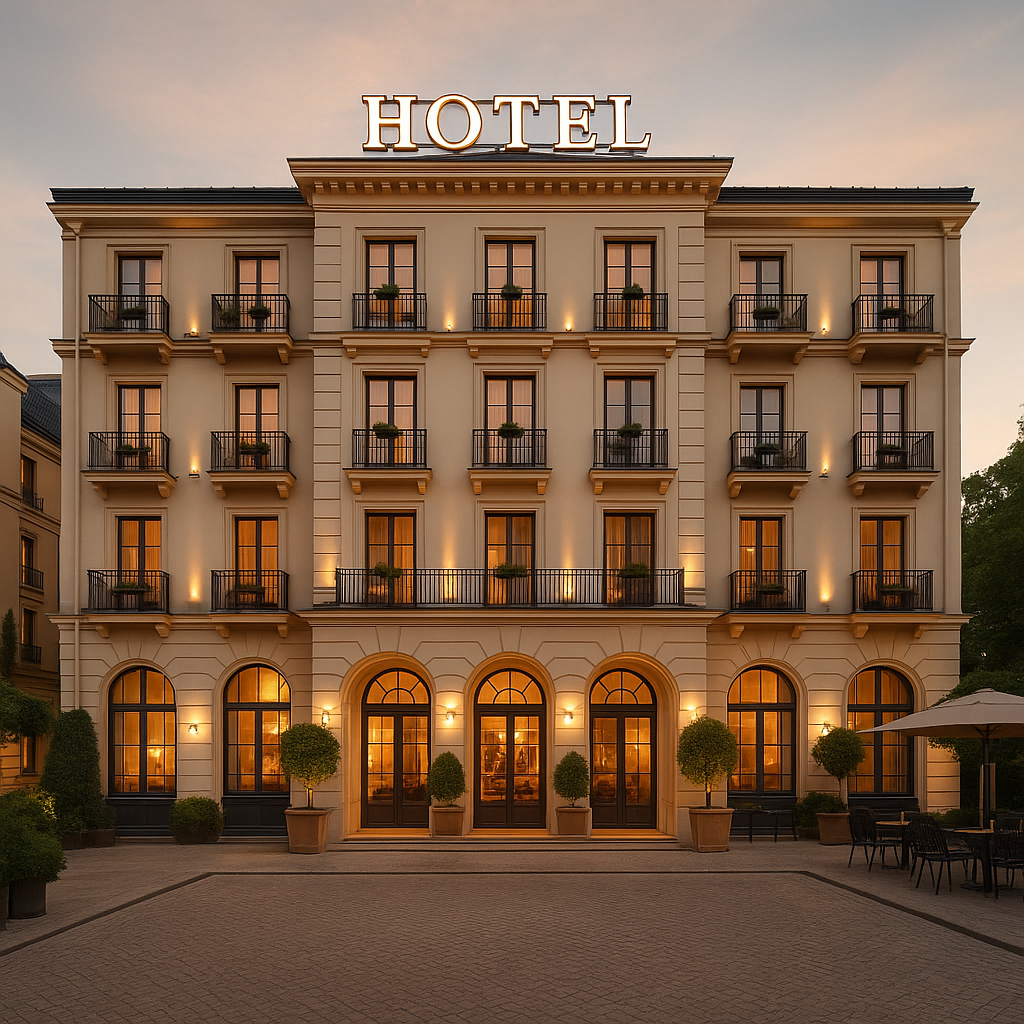
It's a Tuesday in March and the front desk is quiet. Occupancy sits at 71 per cent, which looks fine on the weekly report. But the restaurant did eleven covers last night, the meeting room has been empty for a fortnight, and half the guests booked through an online travel agency that took its commission before anyone had unpacked. The hotel is busy enough and still not earning what it should.
Most owners and general managers know this feeling. The fix rarely needs a refurbishment or a bigger marketing budget. It needs a closer look at where each guest's money actually goes.
The fastest way to lift hotel income is to raise what each room earns per night and then add revenue from guests already in the building. The hotel revenue generating ideas that work best are smarter room pricing, direct booking incentives, paid upgrades and add-ons, food and beverage improvements, and renting out spaces that sit empty.
Revenue comes from two places. Rooms bring in the bulk, and everything else (food, drinks, parking, spa, events) fills the gap. Managers track the first with RevPAR, revenue per available room, which is average daily rate multiplied by occupancy. They track the second with TRevPAR, total revenue per available room, which counts every dollar a guest spends. If you only watch RevPAR, you'll miss the ancillary money entirely.
Profit matters more than turnover, though. A booking that costs 18 per cent in commission and a free breakfast can earn less than a cheaper direct one. So the measure worth watching is GOPPAR, gross operating profit per available room, because it shows what's left once costs are paid.
Start here. Rate changes cost nothing to try.
Dynamic pricing means adjusting your nightly rate as demand shifts, rather than holding a fixed rack rate all season. A Saturday during a local race meeting or a graduation weekend shouldn't sell at the same price as a wet Wednesday in July. Most property management systems and channel managers (the software that pushes your rates and availability to every booking site at once) can automate this. Someone still has to set the floor and ceiling prices, and that someone should be you or your revenue manager, not the software's defaults.
Minimum-stay rules on peak weekends stop a single Saturday night blocking a three-night booking. Non-refundable rates at a modest discount lock in cash early. Corporate and wholesale contracts fill the midweek troughs, and they're worth chasing if your location suits business travellers.
Commission is a real cost. Offer something a booking site can't match on your own website, such as a free late checkout, a drink on arrival or a small discount for members. Then make the booking engine fast on a phone, because that's where most people will try it. If it takes six taps to see a price, they'll go back to the app they know.
Upselling works because the guest has already decided to stay. You're not persuading a stranger.
The pre-arrival email is the best place to start. Send it three or four days out and offer a room upgrade, early check-in, late checkout, a breakfast package or airport transfers. Guests think about these things before they travel, not at the desk with a queue behind them. Price the upgrades per night so the choice is simple.
At check-in, train staff to offer one specific upgrade rather than ask whether the guest wants anything. "A corner room with a bath is $40 extra tonight" gets a yes or no. "Would you like to upgrade?" gets a shrug.
Small add-ons matter too. A cot, a bottle of local wine in the room, parking, a pet fee or a late-night snack box all earn a little each. None of them is big, but together they add up across hundreds of stays.
Empty rooms in a hotel cost as much to heat and clean as full ones. Look for any space that sits idle for hours at a time.
Day-use rooms are the easiest. Sell a room from 10 am to 4 pm to a traveller between flights, a local needing a quiet desk, or a parent with a long layover. The room is cleaned once and sold twice, so it earns without displacing an overnight guest.
Meeting rooms and function spaces suit small businesses, community groups and local government. Offer a half-day package with tea, coffee and a working projector, and you'll get repeat bookings from the same few organisations. Weddings and milestone birthdays need more effort, but the food and beverage spend is far larger.
Restaurants and bars that run at a loss on weeknights can change format. A set-price Wednesday dinner, a Friday happy hour for neighbouring offices or a breakfast open to non-guests brings in people who'd never otherwise walk through the door. (Check your liquor licence conditions before you extend trading hours or open the bar to non-guests.)
Revenue ideas often sit outside the hotel. A winery tour, a kayak hire, a day spa or a catering company can all pay you a commission or a flat fee for referrals, and your guests get something worth buying. Pick partners within a short drive and make sure you've tried them yourself.
Some properties go further by partnering with a wider business group, which can share marketing costs, supplier deals and booking channels across several venues. It suits operators who'd rather pool buying power than carry every cost alone, though the terms need reading carefully.
Corporate relationships work the same way. A local hospital, university or engineering firm sends visitors all year, and a negotiated rate with guaranteed volume is worth more than the odd walk-in.
Discounting too fast is the common mistake. A manager sees a soft week, drops the rate and trains the market to wait. Cut value before you cut price, by adding breakfast or a late checkout instead.
The other trap is launching five things at once. You can't tell which one worked, and staff can't remember what they're meant to offer. Upsells fail quietly when the front desk forgets them.
Guest reviews can suffer too. Fees that appear at checkout, such as a surprise resort or parking charge, annoy people more than a higher headline rate would. State every cost at the time of booking.
Pick the ideas that match your size and staffing.
A 30-room motel won't run a wedding business, and a city hotel with a lobby bar shouldn't ignore its own front door. Start with the idea that fits what you already have.
Hotels earn more by pricing rooms to demand, selling extras to guests who've already booked, using idle space and building local partnerships. Track profit per room, not just occupancy. Change one thing at a time, tell your staff exactly what to offer, and measure it before moving on.
Do small hotels need a revenue manager?
No, a small hotel can start without one. A general manager who checks rates and pace reports weekly can do the basics, and an outside consultant can help part-time if you want extra guidance.
How long before I see results from a new revenue idea?
Pricing changes can show up within a few weeks. Upsell programs and partnerships take longer, usually a couple of months, because you need enough guest numbers to judge them fairly.
Is a channel manager worth paying for?
Yes, if you sell on more than one booking site. It stops double bookings and keeps your rates consistent, and it saves hours of manual updating.
Should I charge a parking fee?
You can, if the car park is limited or costs you money to maintain. Show it clearly when guests book, since surprise charges at checkout lead to poor reviews.
What's the cheapest way to earn more per guest?
A pre-arrival email with upgrade offers. It needs only your existing booking system and a few minutes to set up.
Can I sell the same room twice in one day?
Yes, through day-use bookings. Sell the room in daytime hours, clean it, then release it for the overnight guest before check-in. Just keep the schedule tight so the evening guest never waits.
Will loyalty programs help a независимый hotel?
Independent hotels can run a simple member rate or points scheme through their own website. It gives guests a reason to book direct, though it works best when the perks are real, such as a free drink or a late checkout.
How do I know if an upsell is working?
Compare the take-up rate and the extra income against what the offer costs you to deliver. If guests buy it and it leaves a margin, keep it. If few people buy, change the wording, the timing or the price before dropping it.