Indonesia
 English
 Arabic
 French
 Spanish
 Portuguese
 Deutsch
 Turkish
 Dutch
 Italiano
 Russian
 Romaian
 Portuguese (Brazil)
 Greek
Who Needs an Accountant in Warwick and When to Hire One
Other |
2026-11-25 12:44:17
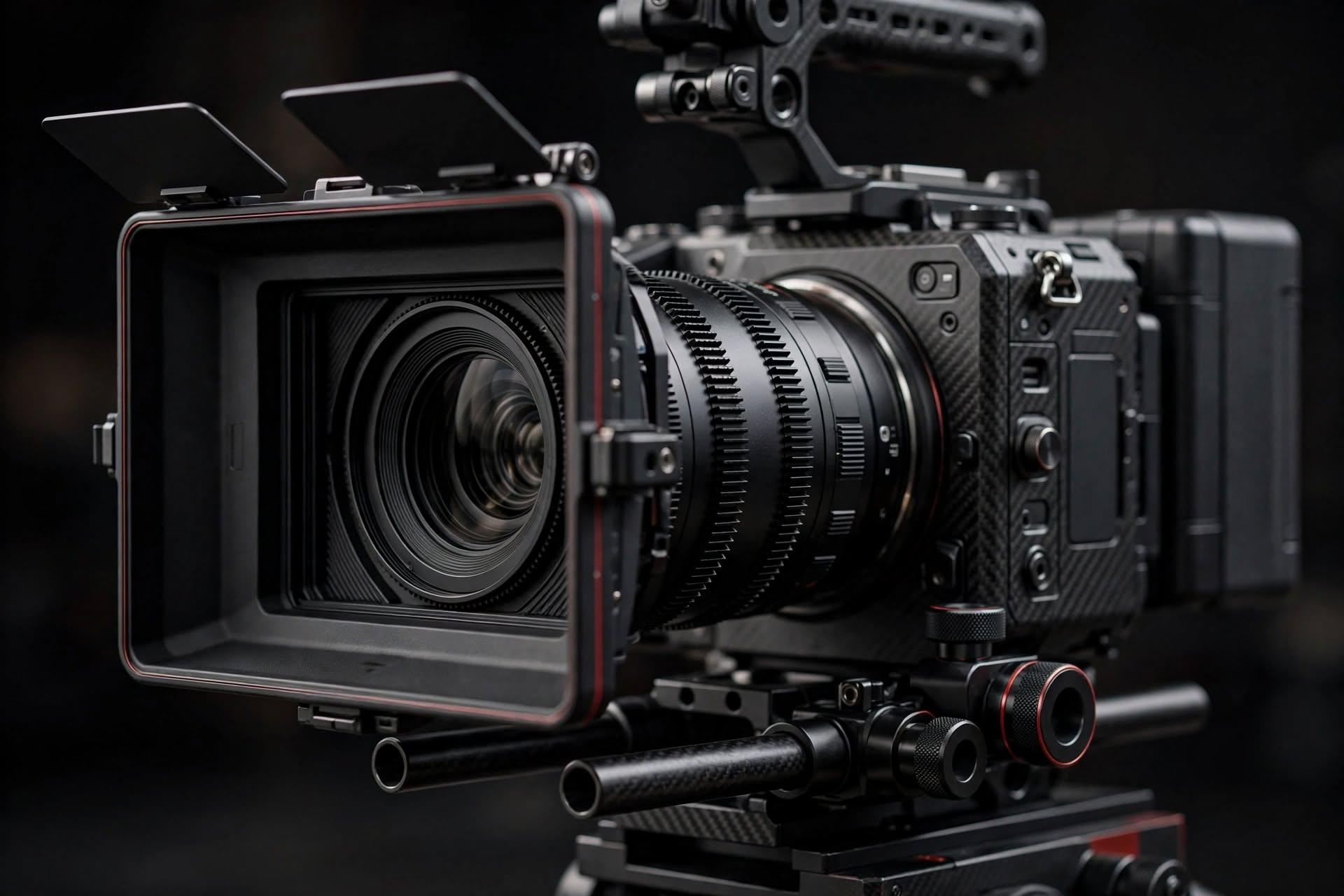
Customers are exposed to many messages every day. A business video needs more than attractive footage to hold their attention. It needs a clear idea that connects with the viewer and explains why the company, product, or service matters. Through professional video production companies in uae, businesses can develop visual stories that present information in a structured and engaging way.
Storytelling gives a video a natural direction. Instead of showing unrelated scenes, it connects the opening, main message, and ending. This helps viewers understand the subject and remember the information. A story can focus on a customer need, a product feature, a company process, or a real business experience.
Good storytelling should remain honest. A business should not create unrealistic situations or make claims that cannot be supported. Real examples, clear explanations, and relevant visuals can make a video more convincing without relying on exaggerated language.
Before developing a story, a business should understand who will watch the video. Different audiences look for different information. A new customer may want to know what a service includes, while an existing client may be interested in a new feature or update. A business partner may need a broader view of the company’s capabilities.
Audience research can help identify common questions, concerns, and interests. Businesses can review customer enquiries, feedback, sales conversations, and frequently asked questions. These details can provide useful ideas for a video script. The goal is to answer a real question rather than create content without a clear purpose.
The language and visual style should also suit the audience. Simple explanations can help viewers understand unfamiliar subjects. Captions may support people watching without sound, while a clear voiceover can guide viewers through a process. The video should be easy to follow on the platform where it will appear.
A simple structure can make a business video more effective. The opening should introduce the topic and give viewers a reason to continue watching. It may present a challenge, ask a relevant question, or show the product or service in action.
The middle section should develop the main idea. It can explain how a service works, show a product demonstration, introduce team members, or present a real example. Each scene should add information. If a shot does not support the message, it may not need to be included.
The ending should bring the story together. It can summarise the main benefit, reinforce the company’s message, or guide viewers towards a relevant action. A clear ending is more useful than a sudden stop or a collection of unrelated promotional statements.
A storyboard helps organise this structure before filming. It shows the planned scenes, camera angles, narration, and transitions. This allows the production team and business to review the story before time is spent recording footage.
Visual storytelling depends on the quality and relevance of the footage. Camera framing can direct attention towards a person, product, or important detail. Lighting can create a suitable atmosphere and make the subject easier to see. Location selection can also support the story by showing the real environment in which a service or product is used.
Movement should have a purpose. A camera movement may reveal a location or follow an activity, but unnecessary movement can distract viewers. The same principle applies to editing. Transitions, effects, and music should support the message rather than compete with it.
Sound helps connect scenes and guide the viewer. Clear dialogue is essential when people are speaking. Background music can create an appropriate mood, while natural sounds can make a demonstration feel more immediate. Careful audio mixing keeps every element balanced.
Some stories include information that cannot be captured through live footage. A business may need to explain a digital service, show an internal product feature, or describe a process that takes place behind the scenes. Animation can make these subjects easier to understand.
Two-dimensional animation can use illustrations, symbols, text, and movement to simplify information. It is useful for process explanations, service introductions, and short educational sequences. Three-dimensional animation can show a product’s shape, structure, and movement. It can also help viewers understand a design from different angles.
Animation works best when it has a defined role in the story. It may explain a difficult point, provide a visual comparison, or connect two sections of live footage. The design should remain consistent with the company’s brand and should not introduce details that are inaccurate.
Strong video storytelling combines a useful message with visuals that help viewers understand it. Businesses should begin with audience needs, organise the information into a clear sequence, and choose a filming style that supports the subject. Accurate details and natural communication are more valuable than unnecessary effects.
When a story includes information that is difficult to film, 2d animation studios in dubai can help turn ideas into simple visual explanations. Working with 2d animation studios in dubai may be useful when illustrated scenes, animated diagrams, or motion graphics can make the central message clearer.
A well-planned story respects the viewer’s time and provides information in a logical order. By combining relevant footage, clear audio, and suitable animation, businesses can create videos that communicate their message in a memorable and professional way.
A clear message, relevant visuals, good pacing, and understandable audio help keep a business video engaging. The content should address something that matters to its intended audience.
Every video benefits from a clear structure, although the style may differ. A product demonstration, for example, can follow a simple sequence that introduces the product and explains its main features.
Customer questions, service explanations, product features, workplace activities, and common industry challenges can all provide useful topics.
Animation is useful when it explains a process, feature, or idea that is difficult to show through ordinary filming. It should support the message and remain relevant to the subject.