Indonesia
 English
 Arabic
 French
 Spanish
 Portuguese
 Deutsch
 Turkish
 Dutch
 Italiano
 Russian
 Romaian
 Portuguese (Brazil)
 Greek
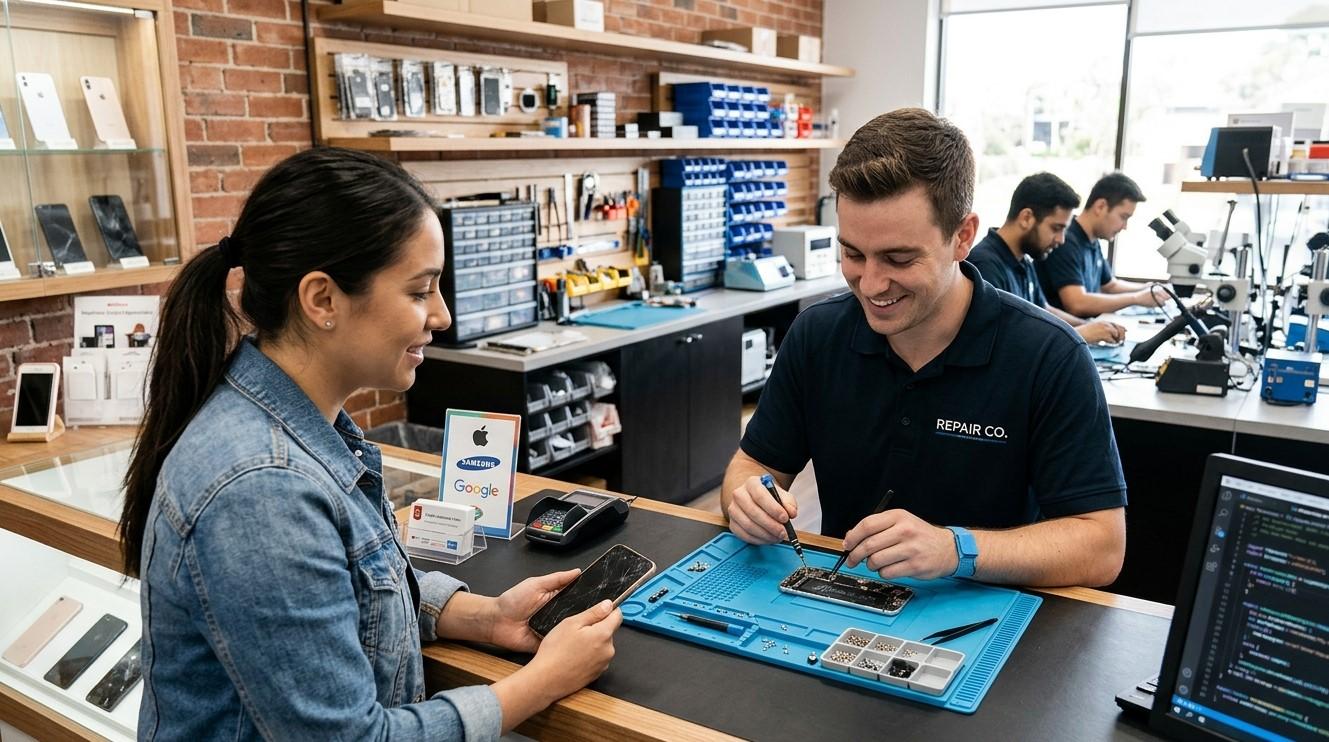
What to Look for When Choosing a Reliable Phone Repair Shop
Other |
2026-10-27 16:04:20

Shopping habits have changed significantly over the past few years. Today, people have more ways to find products, compare prices, read reviews, and make purchasing decisions. Online stores, mobile applications, social media, and local retailers all play a role in modern shopping. Consumers are also becoming more careful about where they spend their money. They often consider product quality, convenience, customer service, and overall value before completing an order.
The growth of online shopping has also changed how people discover products. Websites featuring products such as Lost Mary vapes demonstrate how specific product categories are presented through online catalogs, product descriptions, and customer information. Across the wider retail industry, digital platforms help shoppers explore available options without visiting several physical stores. However, responsible purchasing still matters, especially when products are age-restricted or regulated.
Online shopping has become a regular part of everyday life for many Americans. Consumers can purchase clothing, electronics, household supplies, groceries, and other products through websites and mobile applications. This convenience allows people to shop at different times without adjusting their schedules around store opening hours.
Retailers have also improved their websites to make the shopping process easier. Many platforms now offer product filters, search suggestions, detailed descriptions, and secure payment options.
Some common reasons people prefer online shopping include:
Convenience: Customers can browse products from home or while traveling.
Product variety: Online stores often display more options than physical locations.
Price comparison: Shoppers can compare prices across different retailers.
Customer reviews: Buyers can read other customers' experiences before making decisions.
Delivery services: Products can be delivered directly to a home or selected collection point.
Although online shopping offers several advantages, customers should still check seller information, return policies, delivery charges, and product authenticity before placing an order.
Smartphones have become important tools for modern shoppers. Instead of waiting until they reach a computer, people can search for products, compare prices, and check store information directly from their phones.
Mobile shopping applications also make it easier for retailers to communicate with customers. Notifications may provide information about order updates, product availability, and special offers.
The following mobile features have influenced shopping habits:
Mobile payments: Digital payment services make checkout faster.
Shopping applications: Customers can save products and track orders.
Barcode scanning: Some applications help shoppers compare product information.
Location services: Retailers can help customers find nearby stores.
Digital receipts: Electronic receipts make purchase records easier to manage.
Mobile technology also gives customers more control over their shopping experience. They can research products before visiting a store or complete purchases without leaving their homes.
However, shoppers should use trusted applications and avoid entering payment details on unfamiliar websites. Strong passwords and secure payment methods help protect personal information.
Before purchasing something, many customers want to understand what they are buying. Product research has become an important part of the shopping process because online shoppers cannot always examine an item in person.
Product descriptions, photographs, specifications, and customer reviews help people understand whether an item meets their expectations.
For example, someone shopping for clothing may check the size chart, fabric details, and customer photographs. A person buying electronics may compare battery life, storage capacity, compatibility, and warranty information.
When researching products, customers should consider:
Product specifications: Check the materials, dimensions, features, and included accessories.
Customer feedback: Look for repeated comments about product quality and performance.
Seller reputation: Review the retailer's history and customer service information.
Return policies: Understand the conditions for exchanges and refunds.
Product authenticity: Purchase from authorized or reputable sellers.
Customer reviews can provide useful information, but they should not be the only factor behind a purchasing decision. Some reviews may be outdated, incomplete, or misleading.
A balanced approach involves comparing different sources and checking whether the product information comes from a reliable retailer or manufacturer.
Many online retailers use shopping data to suggest products that may interest customers. These recommendations can be based on browsing activity, previous purchases, saved items, and product searches.
Personalized recommendations can make product discovery easier. For example, someone who frequently searches for home organization products may see storage containers, shelves, and related household items.
Retailers use several methods to improve product recommendations:
Browsing history: Suggesting products related to previously viewed items.
Purchase history: Showing products connected to earlier purchases.
Shopping preferences: Organizing products according to selected interests.
Similar product suggestions: Displaying alternatives within the same category.
Personalized offers: Sharing promotions based on customer activity.
The use of personalization can save time, but shoppers should understand how websites collect and use their information. Reviewing privacy settings and limiting unnecessary permissions can help customers manage their digital privacy.
Personalized recommendations should also be treated as suggestions rather than professional advice. Customers still need to evaluate product suitability, pricing, and quality independently.
Modern shoppers are increasingly interested in understanding the products they purchase. Price remains important, but other factors can influence buying decisions, including product durability, packaging, brand reputation, and environmental impact.
Many consumers also prefer retailers that provide clear information about sourcing, manufacturing, and customer support.
Responsible shopping involves making decisions based on actual needs rather than purchasing every product promoted online.
Here are some practical shopping habits worth developing:
Set a budget: Decide how much you can comfortably spend before shopping.
Make a shopping list: Focus on products you actually need.
Compare prices: Check several retailers before choosing an item.
Avoid impulse purchases: Take time to consider expensive purchases.
Check product details: Read descriptions and specifications carefully.
Understand return conditions: Know what options are available if a product does not meet expectations.
Choose reliable retailers: Look for clear contact information and transparent business policies.
Another important part of responsible shopping is understanding lost mary adjust product regulations. Certain products, including tobacco and nicotine-related items, have age restrictions and legal requirements in the United States. Consumers should follow applicable federal and state laws and avoid purchasing from sellers that do not provide appropriate product information.
Shopping will continue to develop as technology and consumer expectations change. Artificial intelligence, improved delivery systems, digital payments, and virtual product demonstrations are already influencing the retail industry.
Retailers are exploring new ways to help customers find products and complete purchases more efficiently.
Some developments that may influence future shopping include:
Artificial intelligence: Helping customers discover products through personalized search and recommendations.
Augmented reality: Allowing shoppers to preview furniture, clothing, and other products in different environments.
Faster delivery systems: Improving the way online orders reach customers.
Social commerce: Making it possible to discover products through social media platforms.
Better customer support: Using chat services to answer common questions and provide order updates.
Flexible payment options: Giving customers different ways to complete transactions.
Physical stores will also remain important. Many customers still prefer to see, touch, or test products before purchasing them. This means online and offline shopping will likely continue working together rather than completely replacing one another.
The most successful retailers will be those that provide accurate product information, fair pricing, reliable service, and a convenient customer experience.
Shopping in the United States is becoming more connected to technology, but informed decision-making remains essential. Customers benefit when they research products, compare available options, understand retailer policies, and consider their budgets before making purchases. Whether someone prefers visiting a local store or browsing online, the goal should be to find suitable products from trustworthy sellers. As new retail technologies develop, shoppers will have more ways to explore products and make informed choices. Understanding options such as Lost Mary Viz within the broader context of product discovery also highlights why accurate descriptions, responsible retail practices, and awareness of applicable regulations matter in specialized shopping categories.