Indonesia
 English
 Arabic
 French
 Spanish
 Portuguese
 Deutsch
 Turkish
 Dutch
 Italiano
 Russian
 Romaian
 Portuguese (Brazil)
 Greek
Who Is Qualified to Carry Out an SMSF Audit in Melbourne
Other |
2026-11-25 13:02:03
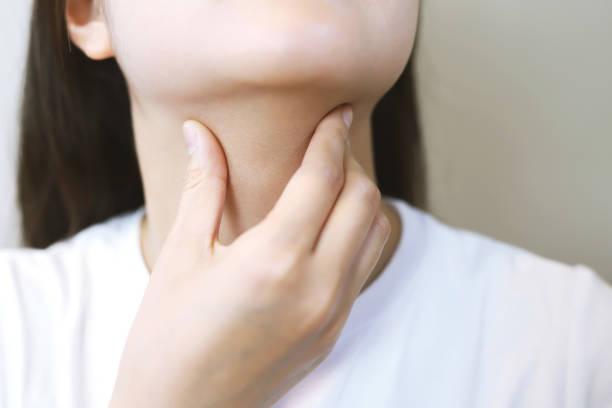
Aftercare plays an important role in the healing process following double chin liposuction. Although the procedure removes localized fat beneath the chin, the treated tissues still need time to recover. Double Chin Liposuction (شفط دهون الذقن المزدوج) Understanding basic aftercare principles can help adults manage temporary swelling, bruising, and tenderness while following the medical advice provided by their surgeon.
For adults who have undergone Double Chin Liposuction in Riyadh, recovery should be approached gradually and according to individual medical instructions. Factors such as general health, surgical technique, and the body's natural healing response can influence the process. Consistent follow-up and appropriate care are more important than trying to speed up recovery.
Every patient's recovery needs may differ. The surgeon may provide specific instructions about wound care, prescribed medication, compression garments, and activity restrictions. Following this plan helps patients understand what is appropriate at each stage of healing.
Follow-up visits allow the medical team to assess the treated area and monitor recovery. Patients should attend these appointments even when symptoms seem to be improving. They should also mention any unexpected changes or concerns during each visit.
The treated area should be cleaned according to the surgeon's directions. Patients should ask when normal washing can resume and which skincare products are suitable. Unapproved creams, oils, or home remedies should not be applied to healing incisions without medical guidance.
Patients should avoid rubbing, pressing, or repeatedly touching the treated area unless instructed otherwise. Any massage or additional treatment should only be considered when specifically recommended by the treating professional.
If small incisions were used, they need appropriate care while healing. Patients should follow guidance about dressings, cleaning, and keeping the area protected. Increasing redness, unusual discharge, or persistent bleeding should be reported promptly.
A surgeon may recommend a compression garment to provide gentle support and help manage postoperative swelling. Whether one is required depends on the procedure and individual recovery needs. It should not be considered a replacement for medical follow-up.
The garment should fit as directed without causing excessive pressure or significant discomfort. Patients should follow the recommended wearing schedule and ask the medical team if it feels too tight, causes irritation, or affects skin colour.
Rest allows the body to recover after surgery. Patients should arrange suitable time away from demanding responsibilities and avoid rushing back into their usual schedule. The surgeon can provide guidance about returning to work and everyday activities.
A balanced diet containing a variety of nutritious foods supports general health during recovery. Adequate hydration is also important. Restrictive diets and unapproved supplements should be avoided, and any supplement use should be discussed with a healthcare professional.
Smoking and nicotine can interfere with circulation and normal healing. Patients should discuss nicotine use with their medical team and follow recommendations about avoiding it around the surgical period.
The timing of light activities depends on individual recovery and professional advice. Patients should avoid activities that cause discomfort and ask their surgeon when normal household responsibilities can resume.
Heavy lifting, intense workouts, and vigorous sports may need to be restricted during recovery. Patients should not restart these activities until the surgeon confirms that doing so is appropriate.
Some swelling, bruising, tenderness, and temporary sensation changes may occur after treatment. However, increasing pain, unusual swelling, spreading redness, fever, unusual warmth, discharge, or persistent bleeding should be discussed promptly with the treating medical team. Difficulty breathing, chest pain, or fainting requires emergency medical attention.
Patients should not rely on online advice to determine whether a concerning symptom is normal. Direct medical assessment is the safest way to address unexpected changes during recovery.
A smoother recovery after double chin liposuction depends on appropriate wound care, recommended compression garment use, healthy daily habits, gradual activity, and regular follow-up. Adults considering Double Chin Liposuction in Riyadh should discuss the expected healing process, possible risks, and individual aftercare requirements with a qualified medical professional.
For those seeking expert guidance and customized aesthetic care, you can book an appointment consultation at the 'Enfield Royal Riyadh (إنفيلد رويال الرياض).
Aftercare helps patients follow recovery instructions, monitor healing, and identify symptoms that may need medical attention.
Wear one only if recommended by your surgeon, following the advised fit and wearing schedule.
Avoid massage unless your surgeon specifically recommends it and explains when it is appropriate.
Resume exercise only after your surgeon confirms it is appropriate for your individual healing progress.
Report worsening pain, unusual swelling, fever, spreading redness, discharge, or persistent bleeding promptly.