Indonesia
 English
 Arabic
 French
 Spanish
 Portuguese
 Deutsch
 Turkish
 Dutch
 Italiano
 Russian
 Romaian
 Portuguese (Brazil)
 Greek
Boredom Kills Fashion That Speaks Louder Than Words
Shopping |
2026-10-29 16:28:01
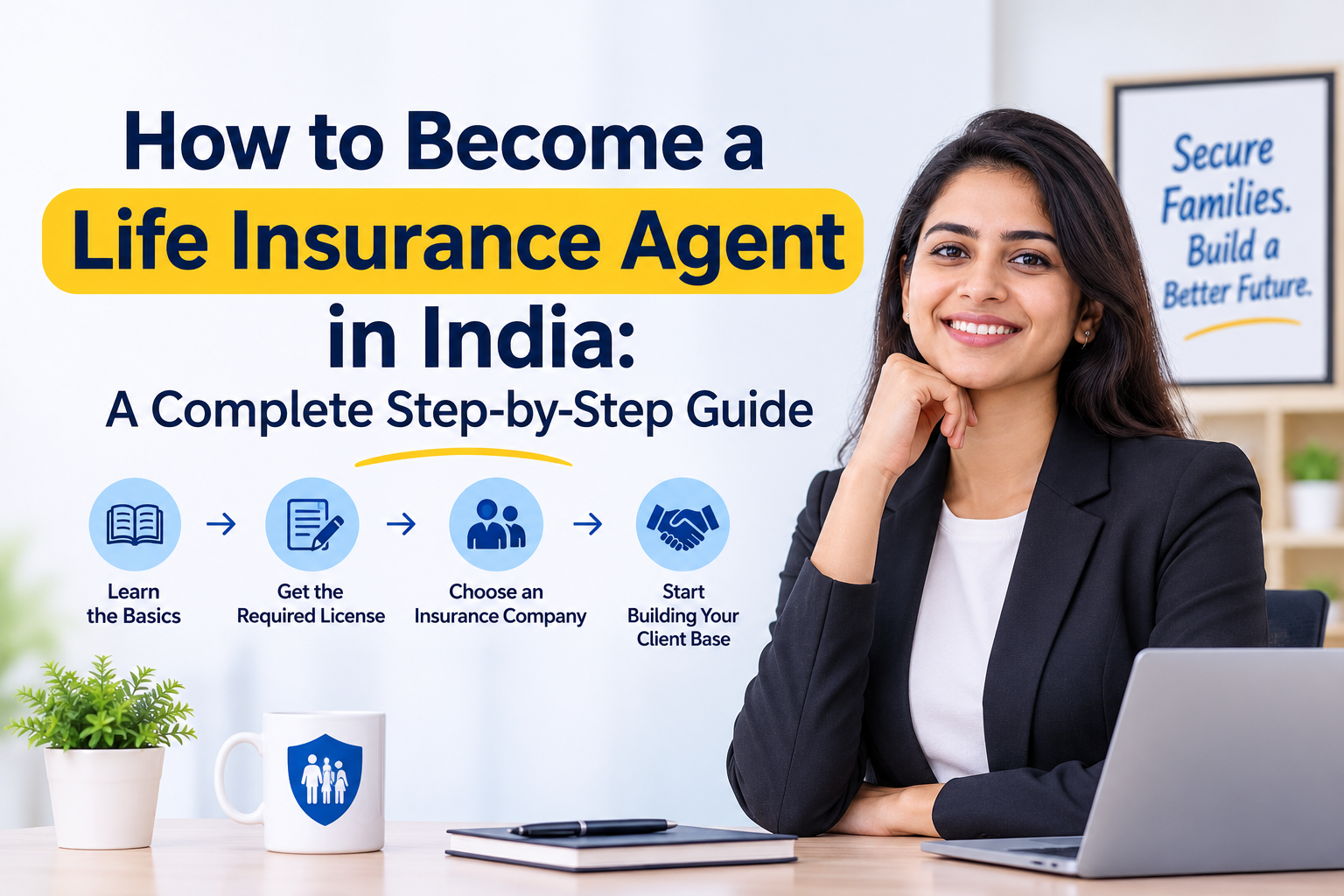
A career in life insurance offers an opportunity to build professional independence while helping individuals secure their families' financial future. As awareness of financial planning, income protection and long-term savings continues to grow in India, the demand for knowledgeable life insurance professionals is creating opportunities for aspiring agents.
Become a life insurance agent is an accessible career option for individuals who have good communication skills, an interest in financial products and the ability to build customer relationships. You do not necessarily need a finance degree or previous insurance experience to enter this profession. However, you must fulfil the prescribed eligibility conditions, complete the required training and pass the relevant insurance agency examination.
If you are planning to enter this field, understanding the appointment process, qualifications, documents and earning opportunities can help you make an informed decision.
A life insurance agent represents an authorised life insurance company and helps customers choose suitable life insurance policies according to their financial requirements.
Their role extends beyond selling insurance products. They understand customers' income, financial responsibilities, family size and long-term objectives before recommending appropriate coverage.
Some important responsibilities include explaining policy benefits, premium payment terms, policy exclusions, maturity conditions and available riders. Agents also assist customers with proposal documentation, policy servicing, premium renewals and claim-related procedures.
A responsible life insurance agent focuses on building long-term relationships rather than achieving one-time sales.
Before starting the application process, candidates should understand the basic eligibility requirements prescribed under the applicable IRDAI regulations and the insurer's appointment policy.
Age Requirement: Applicants must generally be at least 18 years old to apply for an individual insurance agency appointment.
Educational Qualification: The educational requirements should be confirmed with the chosen insurer. The IRDAI's 2016 appointment regulations prescribe the applicable eligibility framework, while insurers may establish additional requirements under their approved policies. A minimum Class 10 qualification is commonly used as a reference.
Communication Skills: Candidates should be comfortable explaining financial products, interacting with customers and understanding their protection requirements.
Training and Examination: Applicants must complete the prescribed pre-recruitment training and pass the relevant life insurance agency examination conducted by an approved examination body.
Regulatory Eligibility: Applicants must not fall under the disqualification conditions specified under Section 42(3) of the Insurance Act, 1938.
The process of becoming a life insurance agent involves several stages, from selecting an insurer to receiving official appointment confirmation.
Start by learning about different types of life insurance products and their purposes. Familiarity with term insurance, savings plans, whole life insurance, endowment plans and unit-linked insurance plans (ULIPs) can help you understand customer requirements.
You should also learn basic concepts such as sum assured, premium frequency, policy tenure, nominee details, surrender value and policy exclusions.
This initial understanding will make your training more productive and help you prepare for your future responsibilities.
The next step is to approach a registered life insurance company that appoints individual agents.
Before selecting an insurer, consider its product portfolio, training support, customer service, digital facilities and agent development programmes.
You should also understand its commission structure and appointment conditions. Choosing an insurer that provides practical guidance can make the initial learning process easier.
Once you have selected an insurer, contact its authorised representative or designated official to understand the application procedure.
Complete the prescribed agency application form and provide the required personal, educational and identity information.
The insurer will review your application and check whether you satisfy the applicable appointment conditions.
Training is an important part of becoming a life insurance agent. It helps candidates understand how insurance works and how to communicate policy information accurately.
The training generally covers insurance fundamentals, life insurance products, underwriting basics, policyholder rights, regulatory requirements, ethical selling and customer servicing.
Candidates should pay particular attention to policy exclusions, disclosure requirements and claim procedures because these areas directly influence customer experience.
After completing the prescribed training, candidates must appear for the applicable insurance agency examination.
The examination evaluates knowledge of life insurance concepts, product structures, regulatory guidelines, customer protection and professional responsibilities.
Prepare through the prescribed study material, practice questions and training sessions provided by the insurer.
Candidates who successfully pass receive an examination certificate. Under the 2016 appointment regulations, the certificate remains valid for 12 months for the purpose of obtaining a first agency appointment.
After passing the examination, submit the remaining documents requested by the insurer.
The designated official verifies your eligibility, examination result, PAN details and other relevant information. Once the application is approved, the insurer issues an official agency appointment letter and identity card.
You can start soliciting life insurance business only after receiving the required appointment.
Keeping your documents ready can help prevent delays during the appointment process.
Commonly requested documents include:
Aadhaar card or another accepted identity proof.
PAN card.
Recent passport-size photographs.
Class 10 or higher educational certificates, as applicable.
Address proof.
Date of birth proof, if required.
Bank account details and cancelled cheque.
Completed agency application form.
Training completion details, where applicable.
Life insurance agency examination pass certificate.
The final document checklist may differ depending on the insurer's internal verification requirements.
Life insurance agents generally earn through commissions on eligible insurance business, subject to applicable regulations and the insurer's remuneration structure.
Their earnings can depend on factors such as the type of policy sold, premium amount, policy duration, business generated and eligible renewal commissions.
Some insurers may also offer performance-linked incentives, recognition programmes and additional rewards based on their respective policies.
However, this is not a fixed-salary profession in most cases. Earnings depend on business performance, customer retention and the ability to develop a sustainable customer network.
Obtaining an appointment is only the beginning. Long-term success requires a combination of technical knowledge and interpersonal skills.
A successful agent should have strong communication abilities, product knowledge, financial awareness and problem-solving skills. Understanding customer needs is particularly important because different individuals require different levels of life coverage.
Consistency, patience, ethical selling and timely follow-ups also help establish credibility. Most importantly, agents should maintain transparency about policy conditions and never promise benefits that are not included in the insurance contract.
Becoming a life insurance agent in India can be a promising career path for individuals who want to work in the financial services sector while making a meaningful contribution to society. From understanding eligibility requirements and completing training to passing the examination and receiving an official appointment, each stage helps prepare candidates for their professional responsibilities.
The real foundation of a successful insurance career is customer trust, product knowledge and a commitment to providing appropriate financial protection. At Square Insurance, we believe that informed insurance guidance helps individuals make better financial decisions. Aspiring agents who prioritise customer interests and maintain professional standards can build a rewarding and sustainable career in the life insurance industry.
1. Can I become a life insurance agent after completing Class 10?
Yes, Class 10 is commonly accepted as a minimum educational qualification reference. However, you should confirm the specific educational requirements of your chosen insurer before applying.
2. Is passing an examination compulsory to become a life insurance agent?
Yes. Candidates must pass the applicable life insurance agency examination conducted by an examination body approved by IRDAI before receiving their first agency appointment.
3. Can I become a life insurance agent without experience?
Yes. Previous experience in insurance or financial services is generally not mandatory. Eligible beginners can enter the profession by completing the required training and examination.
4. How do life insurance agents earn commissions?
Agents earn commissions on eligible insurance business according to applicable regulations and the insurer's remuneration policy. Eligible renewal commissions and performance incentives may also contribute to their earnings.
5. Can I work as a life insurance agent part-time?
Many insurers offer flexible working arrangements. However, candidates should discuss the insurer's expectations, business requirements and appointment conditions before joining.
6. How long is the life insurance agency examination certificate valid?
Under the IRDAI (Appointment of Insurance Agents) Regulations, 2016, the examination pass certificate is valid for 12 months for obtaining an appointment with an insurer for the first time.
7. Can a life insurance agent work with multiple insurance companies?
An individual may represent only one life insurer at a time. However, subject to applicable regulations and appointments, an individual may also represent one general insurer, one health insurer and one insurer in each permitted mono-line category.
8. Is becoming a life insurance agent a good career option?
It can be a good option for individuals interested in financial services, customer interaction and performance-based earnings. Strong product knowledge, ethical practices and consistent customer support are essential for long-term growth.