Indonesia
 English
 Arabic
 French
 Spanish
 Portuguese
 Deutsch
 Turkish
 Dutch
 Italiano
 Russian
 Romaian
 Portuguese (Brazil)
 Greek
How to Calculate A1C at Home: Simple Formula, Blood Sugar Chart & Easy Steps
Other |
2026-11-16 20:01:57
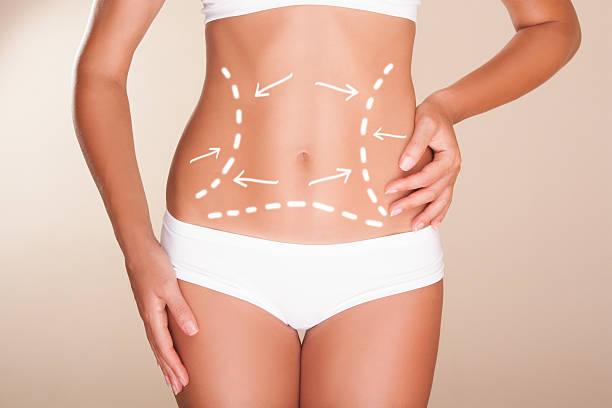
Body shape and fat distribution vary from person to person, which is why a single approach to body contouring may not deliver suitable results for everyone. Modern cosmetic procedures increasingly focus on individual anatomy, aesthetic preferences, and personal treatment goals. Liposuction is one such procedure that can help address stubborn fat deposits in specific areas of the body.
Liposuction in Riyadh (عملية شفط الدهون في الرياض) offers individuals an opportunity to explore customized fat-removal approaches based on their body structure and desired appearance. Rather than following a standardized treatment plan, personalized liposuction considers factors such as skin elasticity, fat distribution, body proportions, and overall health.
The main objective of personalized treatment is to create a balanced appearance while respecting the body's natural contours. Understanding how the procedure works, what makes it different, and who may benefit from it can help individuals make informed decisions about body contouring.
Personalized liposuction focuses on adapting surgical techniques to individual requirements instead of treating every patient in the same way. Different people have different concerns, including excess fat around the abdomen, thighs, hips, arms, or back. These areas may require different treatment considerations depending on the amount and distribution of fat.
During treatment planning, a qualified plastic surgeon evaluates the patient's body proportions and discusses their expectations. This assessment helps determine which areas may be suitable for fat removal and which techniques may be appropriate.
Another important difference is the emphasis on natural-looking results. Removing excessive fat from one area without considering surrounding body structures can affect overall proportions. Personalized treatment aims to maintain visual balance and avoid an overly sculpted appearance.
Every individual has a distinct body structure. Genetics, age, lifestyle, skin quality, and natural fat distribution can influence the appearance of different body areas. These characteristics are important when developing an appropriate liposuction plan.
Fat does not accumulate equally throughout the body. Some individuals experience stubborn deposits around the abdomen, while others notice more prominent fat around the thighs, hips, upper arms, or waist.
Liposuction is designed to remove localized fat deposits rather than produce overall weight loss. Identifying the areas responsible for unwanted fullness helps surgeons determine the most appropriate treatment approach.
Skin elasticity plays an important role in body contouring outcomes. After fat removal, the skin needs sufficient elasticity to adapt to the body's new contours.
Individuals with good skin elasticity may experience better skin adaptation following the procedure. However, people with significant skin laxity may require additional evaluation because liposuction alone does not remove substantial amounts of loose skin.
A successful body contouring plan considers the relationship between different body areas. For example, reducing abdominal fullness may change how the waist and hips appear in relation to one another.
Surgeons evaluate these proportions to create a treatment strategy that complements the patient's natural anatomy rather than attempting to create an unrealistic body shape.
One of the reasons liposuction remains a popular cosmetic procedure is its ability to target localized fat deposits in several body areas. Treatment selection depends on individual anatomy, medical suitability, and personal goals.
The abdomen is a common area where stubborn fat can accumulate. Even individuals who maintain relatively healthy lifestyles may experience localized abdominal fullness.
Abdominal liposuction removes selected fat deposits to create a more refined abdominal contour. However, it does not tighten separated abdominal muscles or significantly remove loose skin.
Excess fat around the waist and flanks can affect the appearance of the body's natural curves. Personalized treatment may focus on these areas to create a more defined waistline.
The surgeon considers the surrounding abdomen, hips, and back to maintain balanced proportions.
Fat deposits around the inner and outer thighs can create uneven body contours. Liposuction may help reduce localized fullness in these areas.
The treatment plan depends on fat distribution, skin elasticity, and the individual's natural leg structure.
Some people experience persistent fat deposits around the upper arms. In suitable candidates, liposuction can help reduce excess fullness and create a more streamlined appearance.
Skin quality is particularly important when evaluating this area because significant skin looseness may affect the final contour.
The back, hips, and selected areas around the torso may also be considered for liposuction. Each area requires careful evaluation to determine whether fat removal is appropriate and how it may influence the surrounding body shape.
Advancements in cosmetic surgery have introduced different approaches to fat removal. The most appropriate technique depends on the patient's anatomy, treatment area, and the surgeon's clinical judgment.
Traditional liposuction involves inserting a thin tube called a cannula through small incisions to remove unwanted fat. The surgeon carefully moves the cannula through targeted areas to reduce localized fat deposits.
This technique has been used for many years and remains an established approach to surgical body contouring.
Power-assisted liposuction uses a specialized cannula that produces controlled mechanical movement. This movement helps break up fat deposits, allowing the surgeon to remove them through suction.
Its suitability depends on the treatment area and individual surgical requirements.
Ultrasound-assisted liposuction uses ultrasonic energy to help break down fat before removal. It may be considered for selected treatment areas, depending on the patient's needs and the surgeon's experience.
Laser-assisted liposuction uses laser energy to affect fat cells before their removal. Some approaches may also influence tissue tightening, although results vary and should not be considered equivalent to surgical skin removal.
When considering Liposuction in Riyadh, patients should understand that advanced technology does not automatically guarantee better outcomes. The surgeon's expertise, appropriate patient selection, and treatment planning remain essential.
Choosing a qualified and experienced plastic surgeon is an important part of the liposuction journey. A detailed consultation allows the surgeon to understand the patient's concerns and determine whether the procedure is medically appropriate.
The assessment generally includes reviewing medical history, examining fat distribution, evaluating skin elasticity, and discussing aesthetic expectations. Patients should also disclose medications, previous surgeries, allergies, and any relevant health conditions.
A responsible surgeon explains the potential benefits, limitations, complications, and alternative procedures before recommending treatment.
Realistic expectations are equally important. Liposuction can improve body contours, but it cannot guarantee perfect symmetry or create a particular body shape. Individual healing responses and anatomical differences influence the outcome.
Preparation begins with a consultation and medical assessment. During this stage, patients receive information about the surgical process, anesthesia, recovery requirements, and possible risks.
Depending on the individual's medical circumstances, the surgeon may recommend certain laboratory tests or additional evaluations before surgery.
Patients may also receive instructions regarding smoking, medications, nutrition, and physical activity. Following these instructions can help reduce avoidable complications and support a safer surgical experience.
It is important to understand that liposuction is not a substitute for healthy weight management. Individuals should ideally be close to a stable, suitable body weight before considering the procedure.
Recovery is an important part of the body contouring process. The healing experience varies according to the treatment area, amount of fat removed, surgical technique, and individual health.
Swelling, bruising, tenderness, and temporary changes in skin sensation are common after surgery. These effects generally improve gradually as the body heals.
During the first few days, patients may experience discomfort and swelling around the treated areas. The surgeon may recommend prescribed medication, appropriate wound care, and limited physical activity.
Compression garments are often recommended to support the treated areas and help manage swelling. Patients should follow their surgeon's instructions regarding how long to wear them.
Light daily activities may gradually become possible as recovery progresses. However, strenuous exercise, heavy lifting, and intense physical activity should be avoided until the surgeon confirms that they are appropriate.
Follow-up appointments help monitor healing and identify any complications that require attention.
Initial changes may become noticeable after surgery, but swelling can temporarily hide the final contours. As healing progresses over several weeks and months, the treated areas generally become more defined.
Maintaining a stable body weight and healthy lifestyle can help preserve the results. Significant weight changes may affect the body's appearance even after successful fat removal.
Although liposuction is a commonly performed cosmetic procedure, it is still surgery and carries potential risks. Understanding these risks is essential before making a decision.
Possible complications include infection, bleeding, fluid accumulation, irregular contours, changes in skin sensation, scarring, and anesthesia-related complications. More serious complications, although less common, can include blood clots, fat embolism, and fluid-related problems.
The likelihood of complications depends on several factors, including the patient's health, the extent of surgery, and the surgeon's experience.
Selecting an appropriately qualified surgeon and an accredited surgical facility can help support patient safety. Patients should seek immediate medical attention if they experience severe pain, chest discomfort, breathing difficulties, or other concerning symptoms after surgery.
Liposuction may be appropriate for adults who have localized fat deposits that remain despite maintaining a healthy lifestyle. However, suitability depends on more than simply having excess fat.
Individuals with relatively stable body weight, good general health, and realistic expectations may be considered potential candidates.
People with significant skin laxity, certain medical conditions, or expectations of substantial weight loss may need alternative approaches. Pregnant individuals should postpone elective cosmetic surgery.
A personal consultation is necessary to determine whether Liposuction in Riyadh is appropriate for an individual's circumstances.
Interest in cosmetic body contouring continues to encourage greater awareness of personalized treatment approaches across Saudi Arabia. Individuals increasingly seek information about surgical techniques, recovery expectations, safety, and natural-looking results before considering cosmetic procedures.
Liposuction in Saudi Arabia provides an opportunity for eligible individuals to explore different approaches to localized fat removal under professional medical guidance.
Modern treatment planning emphasizes individual anatomy rather than applying identical techniques to every patient. This approach helps surgeons consider personal preferences while maintaining realistic expectations and appropriate medical standards.
Understanding available procedures and asking informed questions during consultations can help patients make decisions that align with their needs.
Personalized liposuction is different because it considers individual body structure, fat distribution, skin elasticity, and aesthetic expectations before developing a treatment plan. Rather than focusing exclusively on fat removal, the procedure aims to improve selected body contours while maintaining natural proportions. Understanding the available techniques, surgical considerations, recovery process, and potential risks is essential before making a decision. Anyone considering Liposuction in Riyadh should prioritize medical qualifications, realistic expectations, and individualized professional advice. For individuals researching cosmetic body contouring options in Saudi Arabia, Enfield Royal Clinic Saudi is one of the names they may explore when learning about available aesthetic services and consultation options.
Personalized liposuction focuses on adapting the treatment plan to individual body structure, fat distribution, skin elasticity, and aesthetic goals. Traditional techniques may still be used, but the treatment strategy is tailored to the patient's requirements.
Liposuction may address localized fat deposits in the abdomen, waist, flanks, thighs, upper arms, back, and other selected areas. The appropriate treatment areas depend on individual anatomy and medical suitability.
No. Liposuction is generally considered for individuals with localized fat deposits, relatively stable body weight, and suitable overall health. A qualified plastic surgeon must evaluate each patient before recommending surgery.
Recovery varies depending on the treatment area, surgical technique, and individual healing response. Many patients gradually resume normal daily activities within days or weeks, while swelling and tissue healing may continue for several months.
Liposuction removes fat cells from targeted areas, and the removed cells do not normally return. However, remaining fat cells can enlarge with weight gain, potentially changing the body's contours.
Choosing an appropriate approach involves consulting a qualified plastic surgeon, reviewing medical suitability, discussing aesthetic goals, and understanding the benefits and risks of available techniques. Individualized medical advice is essential for making an informed decision.