Indonesia
 English
 Arabic
 French
 Spanish
 Portuguese
 Deutsch
 Turkish
 Dutch
 Italiano
 Russian
 Romaian
 Portuguese (Brazil)
 Greek
Understanding Liposuction Candidacy for Different Body Types
Health |
2026-10-29 13:10:26
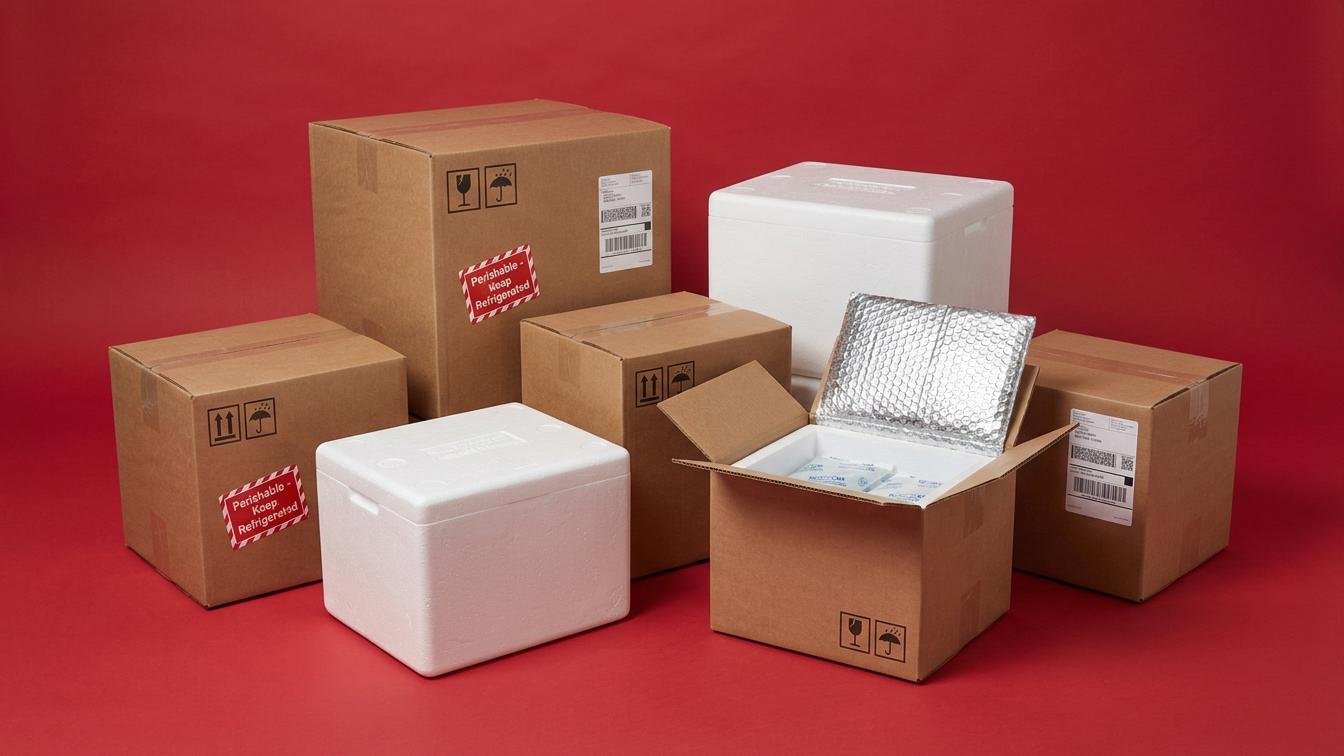
Shipping temperature-sensitive products requires more than standard cardboard packaging. Products such as frozen foods, fresh produce, pharmaceuticals, cosmetics, and certain chemicals may be affected by heat, cold, and temperature fluctuations during transportation. Insulated shipping boxes are wholesale help protect these products by slowing down heat transfer and maintaining more stable internal conditions.
These boxes are designed with insulating materials that reduce the impact of external temperatures. Depending on the product and shipping duration, businesses can combine insulated packaging with gel packs, dry ice, or other temperature-control solutions.
For companies that regularly ship sensitive products, choosing the right insulated packaging can help maintain product quality, reduce spoilage, and improve delivery reliability.
Insulated shipping boxes are specialized packaging containers designed to reduce heat transfer between the inside of the package and the external environment. They typically combine an outer shipping carton with an insulating layer or liner.
Unlike ordinary cardboard boxes, insulated packaging provides additional thermal protection. The insulating material slows temperature changes, helping products remain within their required temperature range for a specific period.
However, insulation alone does not actively cool or heat a product. Temperature-control performance depends on the insulation material, package design, coolant quantity, outside conditions, and shipping duration.
The primary benefit of insulated shipping boxes is their ability to slow down temperature changes. This is particularly important when shipping products that can lose quality or become unsafe if exposed to unsuitable temperatures.
Temperature fluctuations can affect the freshness, texture, stability, and usability of many products. Proper insulated packaging helps reduce exposure to external temperature changes during transportation.
Food businesses often use insulated packaging for frozen meals, seafood, dairy products, meat, chocolates, and other temperature-sensitive items.
When combined with suitable refrigerants and proper handling, these boxes can help maintain the required temperature conditions.
Some medicines, vaccines, laboratory materials, and healthcare products require controlled temperature conditions. Insulated shipping boxes can form part of a validated temperature-controlled packaging system.
For regulated products, businesses should follow applicable storage, transportation, and monitoring requirements.
Insulated boxes are available in different sizes, materials, and configurations. Businesses can select packaging according to product dimensions, temperature requirements, and delivery distance.
Spoilage and temperature-related damage can create financial losses. Choosing appropriate insulated packaging and following correct packing procedures can help reduce these risks.
Different insulation materials offer different performance characteristics. The right option depends on the product and transportation requirements.
Expanded polystyrene (EPS) is a lightweight foam material commonly used for thermal packaging. Its structure contains small air pockets that help slow heat transfer.
EPS insulated boxes are often used for seafood, frozen foods, and temperature-sensitive shipments.
Polyurethane foam provides effective thermal insulation and can be used in packaging systems that require additional temperature protection.
It is available in different forms and densities depending on the packaging design.
Reflective insulation materials may include foil-faced layers combined with foam or other insulating materials. They help reduce radiant heat transfer and are often used as liners inside shipping cartons.
These boxes combine a corrugated outer carton with an insulating liner. They provide an outer protective structure along with thermal insulation.
They can be useful for businesses that need packaging suitable for regular shipping and handling.
Reusable insulated containers are designed for multiple shipping cycles. Depending on their construction, they may include durable outer shells, removable liners, and replaceable cooling components.
They can be a practical option for businesses with frequent deliveries and return logistics.
The performance of insulated packaging depends heavily on the materials used in its construction.
EPS is a lightweight foam material with good insulating properties. It is widely used in cold-chain packaging because it helps reduce heat transfer.
Polyurethane foam offers effective insulation and can be manufactured in different thicknesses and densities.
Foil-based liners can help reduce radiant heat transfer. They are often combined with other insulating materials rather than used as the only protective layer.
Corrugated cardboard is commonly used as the outer packaging structure. It helps protect the insulation and contents from handling-related damage.
Some packaging systems use paper-based insulation materials designed to provide thermal protection. Their performance depends on material thickness, structure, and environmental conditions.
Insulated shipping boxes work by slowing the movement of heat between the package interior and the surrounding environment.
Heat can transfer through conduction, convection, and radiation. Insulating materials help reduce these forms of heat transfer through different mechanisms.
For cold shipments, businesses may place gel packs or dry ice inside the package, depending on the product's requirements. The insulation helps slow the warming process, while the refrigerant provides the cooling capacity.
For temperature-sensitive shipments, packaging should be tested under realistic conditions to confirm that it maintains the required temperature for the full shipping period.
Insulated packaging is used across several industries where temperature protection is important.
| Industry | Common Applications |
|---|---|
| Food and Beverage | Frozen meals, seafood, dairy products, and fresh foods |
| Pharmaceuticals | Temperature-sensitive medicines and vaccines |
| Healthcare | Laboratory samples and selected medical supplies |
| Cosmetics | Heat-sensitive skincare and beauty products |
| Agriculture | Selected fresh produce and perishable goods |
| Biotechnology | Temperature-sensitive research materials |
| E-commerce | Chilled and frozen consumer products |
Each application may require a different insulation system, coolant configuration, and temperature-monitoring process.
Selecting the right insulated shipping box requires understanding the product and its transportation conditions.
Determine whether the product must remain frozen, refrigerated, or within a controlled room-temperature range. Different products have different temperature requirements.
A shipment traveling for a few hours may need a different packaging system from one traveling for several days.
Longer shipping periods generally require more careful insulation design and coolant planning.
Compare EPS, polyurethane, reflective liners, and other available materials. Consider thermal performance, weight, durability, and disposal requirements.Custom shipping boxes are wholesale
The box should fit the product, insulation, and coolant without leaving unnecessary empty space. Correct sizing can help improve packaging efficiency.
Consider seasonal temperatures, transportation methods, warehouse storage, and possible delivery delays.
For sensitive or regulated products, temperature-monitoring devices can help verify that shipments remain within the required range.
Businesses can customize insulated packaging to match their products, shipping methods, and branding requirements.
Custom Dimensions: Packaging can be manufactured to fit specific product sizes.
Insulation Thickness: Different insulation thicknesses can be selected according to thermal requirements.
Custom Liners: Foam or reflective liners can be designed for the packaging structure.
Protective Inserts: Inserts can help secure products and separate individual items.
Custom Printing: Add brand logos, handling instructions, and product information.
Coolant Placement: Packaging layouts can accommodate gel packs or other suitable cooling materials.
Outer Box Design: Corrugated cartons can be customized for improved handling and presentation.
Both packaging types protect products during transportation, but they serve different purposes.
| Feature | Regular Shipping Boxes | Insulated Shipping Boxes |
|---|---|---|
| Main Purpose | General product protection | Thermal protection and shipping |
| Construction | Usually corrugated cardboard | Outer carton with insulating materials |
| Temperature Control | Limited | Helps slow temperature changes |
| Common Uses | Clothing, books, and general goods | Frozen foods, medicines, and perishables |
| Coolant Compatibility | Requires additional packaging design | Can accommodate gel packs or other refrigerants |
| Cost | Generally lower | Usually higher due to additional materials |
Regular shipping boxes are suitable for products that do not require thermal protection. Insulated shipping boxes are more appropriate when temperature changes could affect product quality or safety.
The price of insulated shipping boxes depends on several factors.
Box Size: Larger boxes generally require more insulation and outer packaging material.
Insulation Material: EPS, polyurethane, and specialized liners have different material costs.
Insulation Thickness: Thicker insulation may increase material usage and overall cost.
Box Construction: Custom structures and reinforced outer cartons can affect production expenses.
Order Quantity: Manufacturing volume can influence the cost per unit.
Customization: Printing, inserts, and special designs may increase the total price.
Cooling Accessories: Gel packs, dry ice-compatible designs, and monitoring components may add to the packaging budget.
Businesses should evaluate the total cost of packaging against product protection requirements and potential losses from temperature-related damage.
Correct packing is essential for achieving reliable temperature protection.
Precondition the product and refrigerants according to the required temperature range.
Use the correct quantity and type of coolant.
Place the product securely inside the insulated liner.
Fill unnecessary empty spaces where appropriate.
Seal the insulated liner and outer carton properly.
Follow product-specific handling and storage instructions.
Use temperature monitors when required.
Arrange timely delivery to reduce unnecessary transit exposure.
For dry ice shipments, follow applicable carrier rules, ventilation requirements, and safety regulations. Never seal dry ice in an airtight container because it releases carbon dioxide gas.
Insulated shipping boxes are used to transport temperature-sensitive products such as frozen food, seafood, pharmaceuticals, laboratory materials, and certain cosmetics.
They help slow heat transfer and maintain temperature conditions for a limited period. For cold shipments, they are usually combined with suitable refrigerants such as gel packs or dry ice.
The duration depends on insulation material, box design, coolant quantity, external temperature, product temperature, and shipping conditions. Testing is recommended to determine actual performance.
Yes. Businesses can customize box dimensions, insulation thickness, liners, inserts, outer carton designs, and printing according to their packaging requirements.
Some insulated boxes can be reused if they remain clean, dry, and structurally sound. Reusability depends on the insulation material and the manufacturer's recommendations.
Custom boxes are wholesale provide an effective packaging solution for businesses that transport products requiring temperature protection. With options such as EPS foam, polyurethane, reflective liners, and insulated corrugated cartons, companies can select packaging based on their products and shipping conditions.
Choosing the right insulation material, box size, and cooling system helps protect product quality throughout transportation. Bluebird Packaging offers custom packaging solutions for different business requirements. Contact Bluebird Packaging to discuss your insulated shipping box needs and find a suitable packaging option for your products.