Indonesia
 English
 Arabic
 French
 Spanish
 Portuguese
 Deutsch
 Turkish
 Dutch
 Italiano
 Russian
 Romaian
 Portuguese (Brazil)
 Greek
Can Durable Construction Improve the Everyday Value of Children’s Apparel in Saudi Arabia?
Other |
2026-11-19 04:30:51
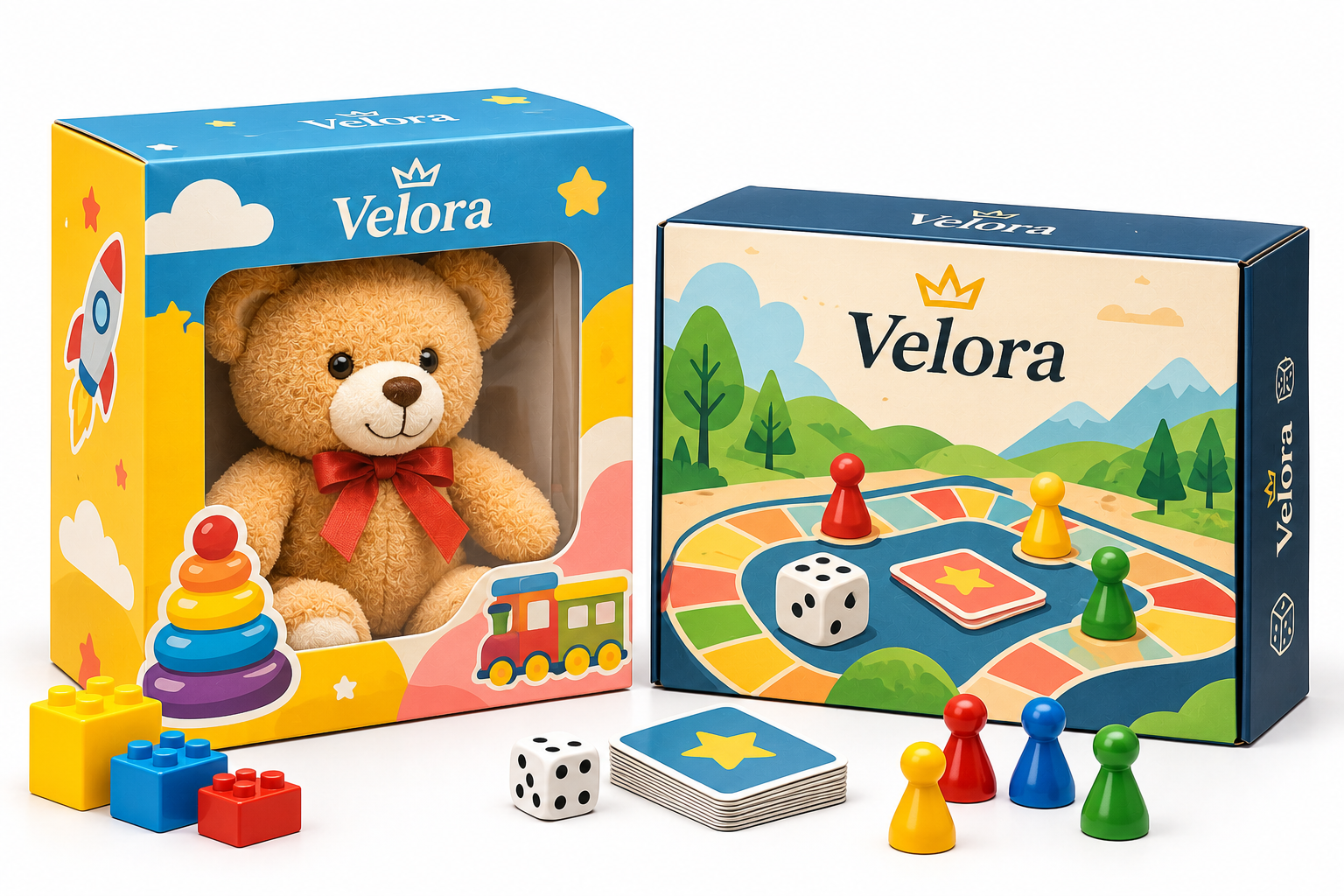
The toy and board game industry brings together creativity, entertainment, and meaningful experiences. Whether customers are purchasing an educational toy for a child or a strategy game for family gatherings, they expect products that are attractive, easy to understand, and enjoyable to use.
However, the customer experience begins long before someone starts playing. Product appearance, information clarity, component organization, and ease of opening all influence how buyers evaluate their purchases.
For manufacturers and retailers, thoughtful presentation is therefore an important part of product development. Understanding how different product categories should be protected, displayed, and organized can help businesses create more satisfying experiences while building stronger brand recognition.
Customers browsing toy stores often compare several products before choosing one.
Parents may look for age recommendations, educational value, safety information, and product quality. Children may be attracted to colorful illustrations, recognizable characters, or interactive features.
Adult board game enthusiasts may pay closer attention to gameplay complexity, artwork, components, and playing time.
Because these audiences have different expectations, manufacturers must communicate product details clearly.
A successful design should capture attention while helping customers understand what the product offers.
Visual appeal is important, but accurate information and dependable quality remain essential for building customer trust.
Manufacturers exploring Toy packaging should consider how product visibility, structural design, and printed information work together.
For example, an educational building set may benefit from illustrations that demonstrate possible creations. A toy vehicle might use a display window that allows customers to examine its shape and color.
However, attractive graphics should never hide important information about product contents or age suitability.
Manufacturers should also evaluate product dimensions, weight, and expected retail handling.
A thoughtfully designed presentation helps customers identify products and understand their features without unnecessary confusion.
When these details remain consistent across a product range, they can also strengthen recognition of the manufacturer.
Unlike many individual toys, board games frequently contain numerous separate components.
Businesses developing Board Game boxes should consider how cards, dice, tokens, playing boards, and instruction booklets will fit inside the finished container.
For example, a family strategy game may include several card decks and different categories of playing pieces.
Without suitable internal organization, these components can become mixed or damaged during storage and transportation.
Manufacturers should also consider how frequently customers will open and close the container.
A practical design allows players to set up games conveniently and return components to their proper places after playing.
Thoughtful packaging helps protect products while making them convenient to handle, store, and enjoy. Suitable materials, secure closures, appropriate dimensions, and organized internal compartments all contribute to reliable performance. Products containing delicate components may require additional support, while lightweight items may need simpler arrangements. Attractive illustrations and readable instructions can improve the initial customer experience, but decorative elements should not interfere with functionality or safety information. Manufacturers should evaluate materials according to their intended use and applicable requirements. Testing physical samples helps identify weak structures, difficult opening mechanisms, or poor component organization before large-scale production.
Board games often contain small components that can be misplaced if they are not organized properly.
Separate compartments, removable trays, and suitable storage bags can help players maintain order.
For example, a game containing several types of tokens may benefit from individual sections that keep pieces separated.
Card decks should also have enough internal space to prevent bent corners or unnecessary pressure.
Manufacturers must consider whether components remain secure when the game is carried vertically or stored on a shelf.
For products intended for younger children, small-parts hazards and relevant safety warnings require particular attention.
Proper organization improves convenience while supporting product protection.
Material selection affects structural stability, appearance, and manufacturing costs.
Paperboard is commonly used for lightweight retail products, while thicker board can provide additional rigidity for larger games.
However, material thickness alone does not determine durability.
Construction quality, corner strength, surface treatments, and internal support also influence performance.
A compact card game may require a different structure from a large tabletop game containing numerous components.
Manufacturers should request physical samples and evaluate them using actual product contents.
Testing helps determine whether materials perform reliably during normal storage, transportation, and repeated handling.
Artwork plays an important role in communicating a toy or game's personality.
Bright illustrations may suit educational products for younger audiences, while detailed fantasy artwork can appeal to strategy game enthusiasts.
The visual design should provide an accurate impression of the experience customers can expect.
For example, an adventure game may use illustrated landscapes and character imagery to establish its theme.
However, excessive graphics can make important information difficult to read.
Clear titles, recognizable branding, and balanced layouts help products stand out without sacrificing clarity.
Design consistency across related products can also improve recognition.
Customer satisfaction depends partly on how easily players can begin using a new game.
Complicated or poorly organized instructions may create frustration before gameplay begins.
Manufacturers should write rules in clear language and explain the setup process in a logical sequence.
Diagrams can help players understand board arrangements and component placement.
For example, a family board game might include a quick-start guide alongside a detailed rulebook.
Businesses should test instructions with people who have not played the game before.
Their feedback can reveal confusing steps and help improve the learning experience.
Board games are frequently used more than once, making storage convenience particularly important.
Customers may keep their games on shelves, transport them to friends' homes, or store them alongside other collections.
A durable structure and organized interior can help maintain component condition over time.
Manufacturers should consider whether the game remains easy to close after all components have been returned.
This is especially important when players use protective card sleeves or additional accessories.
Designing for repeated use can improve satisfaction and reduce frustration during cleanup.
Safety information is an essential consideration for manufacturers developing products for children.
Different toys may present different risks depending on their materials, dimensions, and intended users.
Products containing small parts, batteries, magnets, or other specialized components can require additional evaluation.
Manufacturers should review applicable regulations and testing requirements in their target markets.
Age recommendations must reflect the product's characteristics and relevant safety considerations.
Businesses should avoid unsupported claims about safety or developmental benefits.
Accurate labeling and appropriate testing help customers make informed purchasing decisions.
Manufacturers need to manage expenses without compromising essential product features.
Material specifications, printing complexity, internal inserts, and order quantities all influence costs.
A large board game containing multiple components may require more elaborate organization than a compact card game.
However, adding unnecessary decorative features can increase expenses without improving usability.
Businesses should compare supplier quotations and test samples before making large purchasing decisions.
The most effective investment focuses on structural reliability, clear information, and a convenient playing experience.
A strong visual design may encourage someone to purchase a toy or game, but long-term satisfaction depends on its actual performance.
Customers appreciate products with complete components, understandable instructions, dependable construction, and engaging experiences.
Manufacturers should collect feedback about product condition, storage convenience, and usability.
For example, repeated complaints about misplaced game pieces may indicate a need for better internal organization.
Responding to these concerns demonstrates attention to customer needs.
When a brand consistently delivers enjoyable and reliable products, customers may feel more confident purchasing additional items.
Effective toy and board game presentation requires a combination of attractive design, dependable protection, clear information, and practical functionality.
Manufacturers should consider the specific needs of their products rather than relying on appearance alone.
For board games, component organization, storage convenience, and understandable instructions are particularly important. Toys intended for children also require careful attention to applicable safety standards.
By combining creative visual design with reliable materials and customer-focused features, businesses can improve product appeal, encourage positive experiences, and strengthen long-term brand recognition.