Indonesia
 English
 Arabic
 French
 Spanish
 Portuguese
 Deutsch
 Turkish
 Dutch
 Italiano
 Russian
 Romaian
 Portuguese (Brazil)
 Greek
Medical Billing Services for Small and Independent Cardiology Practices: Is Outsourcing Worth It?
Health |
2026-11-24 10:07:20
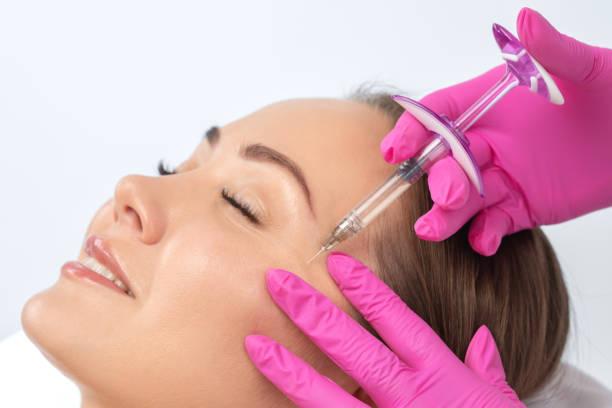
The eyebrow area plays an important role in facial expressions and overall appearance. Repeated movements such as raising, lowering, or drawing the eyebrows together can contribute to visible lines across the forehead and between the brows. Botox Injections in Riyadh Botox is a prescription treatment that may temporarily soften certain expression-related lines by reducing activity in selected muscles. However, its effects, limitations, and suitability depend on individual facial anatomy and medical history.
For adults researching Botox Injections in Riyadh, understanding how the treatment relates to eyebrow movement is essential. Botox contains botulinum toxin type A, which temporarily affects communication between nerves and targeted muscles. A qualified healthcare professional must assess the eyebrow area carefully because different muscles contribute to eyebrow position, facial balance, and natural expression.
Horizontal lines across the forehead often become noticeable when someone raises their eyebrows. These lines develop through repeated muscle activity and may become more visible over time.
Botox may temporarily soften selected forehead lines by reducing the activity responsible for these movements. However, it does not remove every wrinkle or directly improve skin texture and pigmentation.
Vertical lines between the eyebrows are commonly associated with repeated frowning or concentrating. These lines may remain visible even when the face is relaxed.
Botox is sometimes used to temporarily reduce the muscle activity contributing to these expression-related lines. Individual suitability depends on facial anatomy and the appearance of the area.
Eyebrow position varies naturally between individuals. Some people notice differences in eyebrow height or movement, while others have concerns about heaviness or asymmetry.
Because several facial muscles influence eyebrow position, treatment requires careful professional evaluation. Botox may sometimes contribute to unwanted eyebrow changes, including temporary drooping.
Botox works by temporarily reducing signals between nerves and targeted muscles. In the upper face, this may soften selected lines associated with repeated facial expressions.
The treatment does not directly lift skin or permanently change eyebrow structure. Any visible change depends on how the targeted muscles influence surrounding facial movement.
The muscles around the forehead and eyebrows work together to support natural expressions. Changes in one area may influence movement in another.
A qualified healthcare professional should consider the overall facial balance rather than focusing on a single line or isolated concern. Individual assessment helps explain possible outcomes and limitations.
Botox results are not usually immediate. Initial effects may become noticeable within several days, while the fuller response commonly develops over approximately one to two weeks.
The degree of improvement varies according to individual muscle activity, facial anatomy, and treatment area.
Cosmetic effects commonly last around three to four months, although duration differs between individuals. As the effects gradually wear off, normal muscle movement returns and expression lines may become visible again.
Botox should therefore be understood as a temporary treatment rather than a permanent solution for eyebrow or forehead concerns.
Temporary eyelid or eyebrow drooping is a possible side effect of Botox treatment around the upper face. It may affect facial appearance and, in some cases, interfere with vision.
Patients should contact their healthcare professional if unexpected drooping develops. Sudden or significant vision problems require prompt medical assessment.
Temporary redness, swelling, tenderness, bruising, and headache may occur after treatment. These reactions can vary in duration and intensity.
Persistent discomfort, worsening swelling, or unusual symptoms should be discussed with a qualified healthcare professional.
Rarely, botulinum toxin effects may spread beyond the intended area. Generalized weakness, double vision, difficulty speaking, swallowing, or breathing require urgent medical attention. Breathing or swallowing difficulties require immediate emergency care.
People with eyelid weakness, certain eye conditions, or neuromuscular disorders should disclose these concerns before considering treatment. Conditions such as myasthenia gravis may increase the risk of complications.
Breathing difficulties, swallowing problems, and previous unusual reactions to botulinum toxin products should also be discussed.
Cosmetic Botox is generally postponed during pregnancy because sufficient safety information is unavailable. People who are breastfeeding should discuss treatment with a healthcare professional.
Cosmetic Botox is generally intended for adults and is not a routine cosmetic treatment for minors. Any medical use in younger patients requires specialist assessment.
People researching botox treatment in riyadh should prioritize an appropriately qualified healthcare professional and an approved, authentic product. The consultation should include a review of medical history, facial anatomy, treatment expectations, and possible complications.
Ask about the likelihood of eyebrow or eyelid changes, expected results, and available alternatives. A responsible professional should explain both the benefits and limitations without guaranteeing a particular appearance.
Botox may temporarily soften selected expression-related lines around the eyebrows and forehead. However, the area requires careful assessment because its muscles contribute to natural eyebrow position and facial expression. Understanding possible side effects, temporary results, and individual suitability is essential before considering treatment.
For those seeking expert guidance and customized aesthetic care, you can book an appointment consultation at the Enfield Royal Riyadh.
Botox may temporarily reduce selected expression-related lines around the eyebrows and forehead.
Yes. Temporary eyebrow or eyelid drooping is a possible side effect and should be discussed with a professional.
Results commonly last around three to four months, although individual experiences and duration vary.
No. Botox temporarily affects muscle activity and does not permanently change eyebrow structure or position.
People with certain eye, neuromuscular, or other relevant medical conditions may require additional assessment before treatment.