Indonesia
 English
 Arabic
 French
 Spanish
 Portuguese
 Deutsch
 Turkish
 Dutch
 Italiano
 Russian
 Romaian
 Portuguese (Brazil)
 Greek
Cómo combinar zapatillas con tu sudadera essentials como un profesional
Other |
2026-11-04 14:34:52
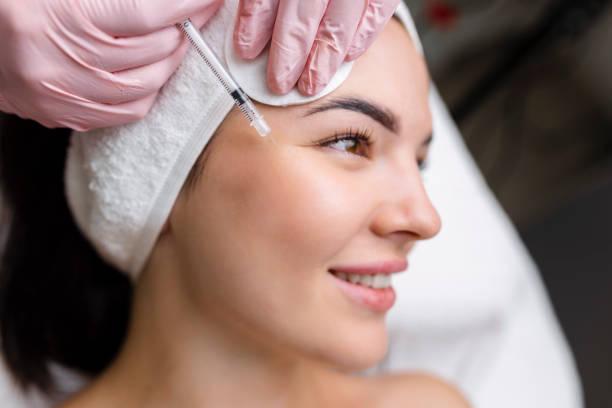
Understanding what happens during a botulinum toxin appointment can help individuals learn about the treatment process, medical assessment, and possible recovery experiences. Botox Injections in Riyadh The procedure involves more than administering injections, as a healthcare professional must first review medical history, discuss concerns, and determine whether treatment is appropriate. Knowing what each stage involves can help people develop realistic expectations and make informed healthcare decisions.
Botox Injections in Riyadh is a commonly searched phrase among individuals researching treatments for expression-related wrinkles. Before considering this procedure, it is important to understand the consultation process, how the treatment is administered, and what may happen afterward. Each appointment should be guided by individual medical needs rather than a standard approach.
The healthcare professional may ask about existing health conditions, allergies, previous procedures, and current medications. This information helps identify potential risks and determine whether botulinum toxin is suitable.
Patients should provide accurate medical information and mention any previous reactions to injectable treatments.
During the consultation, individuals can explain their concerns and ask questions about the expected results. The professional should clarify which wrinkles may respond to treatment and which concerns may require different approaches.
The healthcare professional may examine facial expressions and muscle movement. This assessment helps explain how the treatment may affect selected muscles and what results may be realistic.
Before proceeding, the professional should discuss possible benefits, limitations, side effects, and alternative options. Treatment should only move forward when its suitability and potential risks have been properly considered.
If treatment is appropriate, the professional prepares the relevant area according to clinical hygiene standards. The skin may be cleaned before the procedure begins.
Botulinum toxin is administered by a qualified healthcare professional using an appropriate clinical technique. The procedure generally takes a relatively short time, although the appointment duration depends on the treatment plan.
Some individuals experience brief discomfort, tenderness, or a slight pinching sensation.
After administration, the professional may provide specific aftercare instructions. Patients should understand which activities or skincare practices may need temporary adjustment and when to seek advice.
Mild redness, swelling, bruising, tenderness, or headache may occur around or after the treatment. These reactions are generally temporary, although individual experiences differ.
Avoid unnecessary rubbing or pressure around treated areas. Follow the instructions provided by the healthcare professional and ask before resuming facial massages or other intensive treatments.
Botulinum toxin does not produce immediate wrinkle reduction. Initial changes may become noticeable within several days, while the fuller response generally develops over approximately one to two weeks.
Results commonly last around three to four months, although duration varies according to individual response and treatment area.
If the expected response does not become clear, discuss your concerns with the treating professional rather than arranging additional injections independently.
Temporary bruising, swelling, redness, and headache are possible side effects. Other complications may include eyelid drooping, asymmetry, and unwanted muscle weakness.
Seek emergency medical attention if you experience difficulty breathing, swallowing, or speaking, significant generalised weakness, or serious vision changes.
People researching botox treatment in riyadh should understand that botulinum toxin is a prescription medicine requiring appropriate medical assessment and administration by a qualified healthcare professional.
Botox Injections in Riyadh should only be considered after discussing medical history, treatment suitability, potential complications, and available alternatives. Cosmetic Botox is generally not appropriate for minors. Medical use in younger patients requires specialist evaluation and appropriate parent or guardian involvement.
A Botox injection appointment generally involves medical assessment, discussion of treatment expectations, preparation, administration, and aftercare guidance. Understanding each stage helps individuals recognise the importance of professional evaluation and realistic expectations before considering the procedure.
For those seeking expert guidance and customized aesthetic care, you can book an appointment consultation at the Enfield Royal Riyadh.
The appointment duration varies depending on consultation requirements, treatment area, and individual medical assessment.
Yes. Medical history, treatment suitability, possible risks, and realistic expectations should be discussed beforehand.
Some individuals experience brief discomfort or a slight pinching sensation during administration.
Initial effects may appear within several days, with the fuller response developing over approximately one to two weeks.
Follow individual aftercare instructions, avoid unnecessary pressure on treated areas, and report unexpected symptoms.