Indonesia
 English
 Arabic
 French
 Spanish
 Portuguese
 Deutsch
 Turkish
 Dutch
 Italiano
 Russian
 Romaian
 Portuguese (Brazil)
 Greek
Why Should You Include Hoota Cave in Your Oman Holiday Package?
Other |
2026-11-16 12:29:55
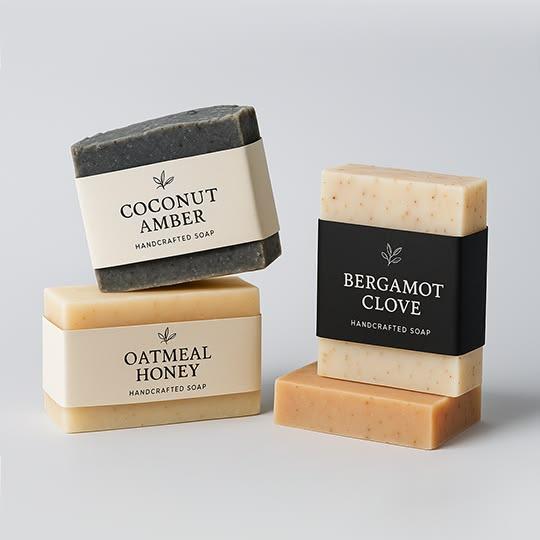
Packaging is an important part of presenting and protecting products across different industries. It helps businesses maintain product quality, improve presentation and create a consistent brand identity. From handmade soaps to luxury gift sets, choosing the right packaging can make a noticeable difference to the customer experience.
Soap sleeves and packaging inserts for boxes are two practical packaging solutions used by businesses to improve product presentation and organisation. Soap sleeves provide a simple way to wrap individual soap bars while displaying important product information. Packaging inserts, on the other hand, are designed to hold products securely inside boxes, preventing unnecessary movement during storage and transportation.
Both options offer customisation opportunities and can be designed to suit different product sizes, packaging styles and branding requirements.
Soap sleeves are paper-based packaging wraps designed to cover part of a soap bar while leaving some areas exposed. They are commonly used by handmade soap businesses, skincare brands and personal care manufacturers.
Unlike traditional soap boxes that completely enclose the product, soap sleeves provide a simple and lightweight packaging solution. They usually wrap around the centre or sides of a soap bar, creating space for displaying the product's appearance and texture.
Soap sleeves can be manufactured using kraft paper, coated paper, recycled paper and other suitable packaging materials. Businesses can customise them with logos, brand colours, product names, ingredient information and decorative designs.
They are particularly popular among handmade soap brands that want packaging with a clean, minimal and natural appearance.
1. Kraft Paper Soap Sleeves
Kraft paper sleeves are a popular choice for handmade and natural soap products. Their brown, earthy appearance creates a simple presentation that works well with organic-inspired branding.
2. Custom Printed Soap Sleeves
Custom printed sleeves allow businesses to display their logos, product details and brand colours. They help create consistent packaging across different soap varieties.
3. Coloured Paper Sleeves
Businesses can choose different paper colours to match specific fragrances, ingredients or product collections. This makes it easier to distinguish between different soap ranges.
4. Recycled Paper Soap Sleeves
Recycled paper sleeves are an option for businesses looking to incorporate recycled materials into their packaging. Their suitability depends on paper quality, printing requirements and product protection needs.
1. Cost-Effective Packaging
Soap sleeves generally require less material than fully enclosed boxes. This can make them a practical option for businesses looking to manage packaging costs.
2. Attractive Product Presentation
A well-designed sleeve can improve the appearance of a soap bar while allowing customers to see part of the product. Different colours, textures and finishes can help products stand out.
3. Custom Branding
Businesses can print their logos, product names and brand messages directly onto soap sleeves. This creates an additional opportunity to communicate brand identity.
4. Lightweight and Easy to Handle
Soap sleeves are lightweight and simple to assemble. They can be stored flat before use, helping businesses save storage space.
5. Suitable for Handmade Products
Handmade soap manufacturers can use sleeves to create packaging that reflects the handcrafted nature of their products without requiring complicated box structures.
Packaging inserts for boxes are specially designed components placed inside packaging to hold, organise and protect products. They help keep items in their correct position and reduce movement during handling, storage and transportation.
These inserts can be manufactured from different materials, including cardboard, corrugated board, paperboard, foam and moulded pulp. The choice depends on the product's weight, shape, fragility and packaging requirements.
Packaging inserts are commonly used for cosmetics, electronics, gift sets, glass products, subscription boxes and promotional packaging.
For example, a cosmetics brand may use a cardboard insert to hold several skincare products in a gift box. An electronics company may require a more structured insert to keep accessories organised and prevent them from moving inside the packaging.
Custom inserts are designed around specific product dimensions, helping businesses create a more organised and professional packaging solution.
1. Cardboard Inserts
Cardboard inserts are widely used because they are lightweight, versatile and available in different designs. They can be cut and folded into compartments that hold products securely.
2. Corrugated Inserts
Corrugated inserts provide additional structural strength and cushioning. They are useful for heavier products or items that need extra protection during transportation.
3. Foam Inserts
Foam inserts are commonly used for fragile or delicate products. They can be cut into specific shapes to hold items firmly and reduce movement.
4. Moulded Pulp Inserts
Moulded pulp inserts are made from shaped paper fibres. They are often used for protective packaging and can be designed to fit different product shapes.
5. Custom Die-Cut Inserts
Die-cut inserts are manufactured to match specific product dimensions. They can include multiple compartments, slots and cut-outs to organise products neatly inside a box.
1. Improved Product Protection
Packaging inserts help keep products in position and reduce unnecessary movement inside boxes. Suitable materials can also provide cushioning against impacts during handling and transportation.
2. Better Product Organisation
Multiple compartments allow businesses to arrange different items neatly within one box. This is particularly useful for gift sets, cosmetics and product bundles.
3. Professional Presentation
A well-designed insert creates a structured appearance when customers open a package. It can make products look more organised and improve the overall unboxing experience.
4. Customised Fit
Custom packaging inserts can be manufactured according to the dimensions and shape of individual products. This helps reduce empty spaces and supports more efficient packaging.
5. Branding Opportunities
Businesses can use printed cardboard inserts to display instructions, promotional messages and brand information. This adds another opportunity to communicate with customers.
Although both are used in product packaging, soap sleeves and packaging inserts serve different purposes. Soap sleeves are designed to wrap and present individual soap bars, while packaging inserts are placed inside boxes to hold and organise products.
| Feature | Soap Sleeves | Packaging Inserts for Boxes |
|---|---|---|
| Main purpose | Wrap and present soap bars | Hold and protect products inside boxes |
| Common materials | Kraft paper and paperboard | Cardboard, corrugated board, foam and moulded pulp |
| Structure | Flexible paper wrap | Shaped or structured component |
| Main applications | Handmade and retail soaps | Cosmetics, electronics and gift sets |
| Customisation | Logos, colours and product details | Compartments, cut-outs and printed designs |
| Protection | Provides basic product coverage | Helps reduce movement and product damage |
The main difference is their function within packaging. Soap sleeves focus on product presentation and branding, whereas packaging inserts focus on product positioning, organisation and protection.
Choosing suitable soap sleeves requires consideration of the soap's dimensions, appearance and packaging requirements.
Paper Quality: Select paper with suitable strength and thickness to wrap the soap securely.
Sleeve Dimensions: Ensure the sleeve fits around the soap bar without being too tight or loose.
Printing Options: Choose suitable printing methods for displaying logos, product names and ingredient information.
Design: Select colours and finishes that complement the soap's fragrance, ingredients and brand identity.
Product Storage: Consider the soap's moisture content and storage conditions when selecting paper materials.
For soaps that contain more moisture or oils, additional protective packaging may be necessary. A sleeve alone may not provide sufficient protection in every application.
Selecting suitable packaging inserts involves understanding the products being packed and the level of protection required.
Product Size: Measure each item carefully to ensure the insert holds it securely.
Material Selection: Choose cardboard, corrugated board or foam according to the product's weight and fragility.
Insert Design: Consider compartments, slots and custom cut-outs for organising multiple products.
Box Compatibility: Make sure the insert fits properly inside the outer packaging without unnecessary movement.
Transportation Requirements: Consider the handling conditions products may experience during delivery.
Branding: Use printed inserts to include product information, instructions or promotional messages.
A properly designed insert should hold products securely while allowing customers to remove them easily.
The environmental impact of both packaging solutions depends on the materials used, manufacturing methods and disposal requirements.
Soap sleeves made from kraft paper or recycled paper can offer paper-based packaging options. Similarly, cardboard and corrugated packaging inserts can be recyclable where suitable local facilities are available.
However, coatings, laminations, adhesives and mixed materials can affect recyclability. Foam inserts may also require different disposal arrangements from paper-based alternatives.
Businesses should check supplier specifications before making environmental claims. Choosing appropriately sized packaging, reducing unnecessary materials and selecting recyclable options where suitable can help reduce packaging waste.
Soap sleeves and packaging inserts for boxes offer practical solutions for businesses looking to improve product presentation and packaging functionality. Soap sleeves provide a lightweight and customisable way to wrap individual soap bars, while packaging inserts help hold products securely and organise them inside boxes.
From handmade soap manufacturers and skincare brands to electronics companies and gift retailers, both packaging options can support different business requirements.
Selecting suitable materials, designs and dimensions helps businesses create packaging that protects products, improves presentation and delivers a better customer experience.