Indonesia
 English
 Arabic
 French
 Spanish
 Portuguese
 Deutsch
 Turkish
 Dutch
 Italiano
 Russian
 Romaian
 Portuguese (Brazil)
 Greek
How Long Does Facelift Surgery Take?
Health |
2026-11-23 11:35:17
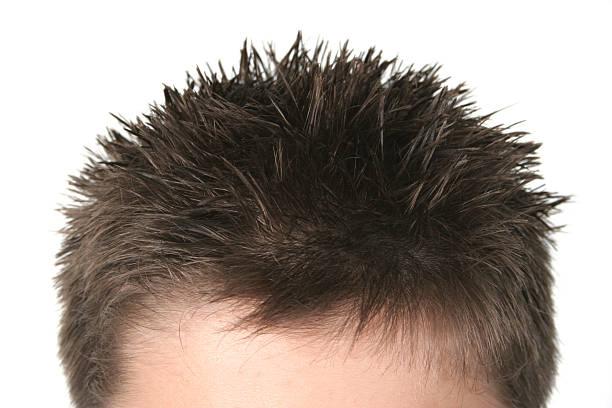
Early-stage hair loss is a common concern that can affect both men and women, often beginning with mild thinning around the temples, forehead, or crown. Although the initial changes may seem minor, untreated hair thinning can gradually become more noticeable and affect overall hair density. Genetics, hormonal changes, stress, nutritional deficiencies, and certain scalp conditions can contribute to this problem. Modern hair restoration treatments offer several options for managing early hair loss, including platelet-rich plasma therapy. PRP Hair Treatment in Riyadh has gained attention as a minimally invasive approach that uses the patient's own blood components to support existing hair follicles and potentially improve hair density. Understanding its effectiveness, procedure, benefits, and limitations can help individuals decide whether this treatment is suitable for their hair restoration goals.
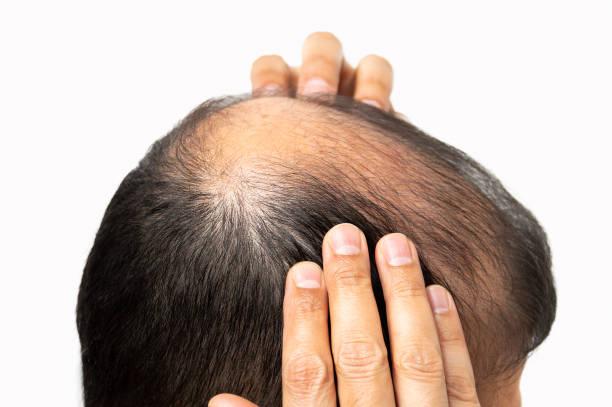
Early-stage hair loss refers to the initial period when individuals begin noticing gradual thinning, increased shedding, or changes in hair density. It may develop slowly and can be associated with hereditary pattern hair loss, hormonal influences, nutritional deficiencies, or other medical conditions. Identifying the cause early is important because appropriate treatment may help manage the condition before significant hair loss develops.
Recognizing the initial symptoms can help individuals seek professional advice at the right time. Common signs include:
Gradual thinning around the temples and forehead.
A slightly receding hairline.
Reduced hair density around the crown.
Increased hair shedding during washing or brushing.
Finer and weaker hair strands.
A widening central hair part in women.
Platelet-rich plasma (PRP) therapy is a minimally invasive hair restoration procedure that uses a concentrated portion of the patient's own blood. Platelets contain growth factors and biological substances involved in natural healing and tissue repair. During treatment, a small blood sample is collected and processed in a centrifuge to separate platelet-rich plasma from other blood components. The prepared plasma is then injected into selected areas of the scalp to support existing hair follicles.
PRP aims to create a supportive environment for weakened hair follicles. Growth factors released by platelets may influence cellular activity and processes associated with follicle function. This may help improve hair density and reduce shedding in some individuals, although results vary depending on the underlying condition and treatment protocol.
PRP may be a useful treatment option for selected individuals experiencing early-stage hair loss, particularly those with hereditary pattern hair thinning. Research has reported improvements in hair density following PRP therapy, although the quality of evidence and treatment outcomes vary between studies. PRP Hair Treatment in Riyadh may be considered when existing follicles are still active and capable of producing hair. Early treatment may offer a better opportunity to support weakened follicles before extensive follicle miniaturization occurs. However, PRP is not a guaranteed cure and does not work equally well for everyone.
PRP delivers concentrated platelets into areas experiencing thinning. Their growth factors may support follicle cell activity and help maintain a healthier environment for existing hair. This can potentially improve the appearance of weakened hair over time.
Some individuals experience increased hair density after completing a recommended series of PRP sessions. Research suggests that PRP may improve the number of hairs per scalp area in certain patients, although the degree of improvement varies.
PRP may help reduce hair shedding in some individuals experiencing pattern hair loss. However, excessive shedding can have several causes, so identifying the underlying condition is important before treatment.
Early-stage hair loss often involves follicles that are weakened rather than completely inactive. PRP may help support these follicles, making it a potential option for people who want to address thinning before it becomes more advanced.
Clinical research has shown promising but not completely consistent results. A 2025 systematic review and meta-analysis examining 43 randomized controlled trials involving 1,877 participants reported improvements in hair density and reduced hair loss with PRP therapy. However, the researchers also highlighted differences in treatment protocols and the need for more standardized research. This means PRP has encouraging evidence, but its effectiveness should not be overstated. Individual results depend on several factors, including preparation methods and follicle condition.
PRP may be suitable for men and women experiencing early or moderate hair thinning who still have active hair follicles. Potential candidates include:
Individuals experiencing early hereditary hair loss.
Men noticing a gradually receding hairline.
Women experiencing reduced hair density.
People noticing thinning around the crown.
Individuals interested in minimally invasive hair restoration.
People with extensive baldness or permanently inactive follicles may experience limited benefits. A professional scalp examination is important before starting treatment.
The procedure generally involves several straightforward steps performed by a trained medical professional.
The specialist examines the scalp, evaluates the hair loss pattern, and discusses the patient's medical history to determine whether PRP is appropriate.
A small blood sample is collected from the patient's arm using a sterile needle.
The collected blood is placed in a centrifuge, which separates platelet-rich plasma from other blood components.
The prepared plasma is carefully injected into selected areas of the scalp. A topical numbing agent may be used to improve comfort during treatment.
PRP treatment generally involves multiple sessions rather than a single appointment. The recommended schedule depends on hair loss severity, scalp condition, and individual response. Initial sessions may be spaced several weeks apart, with maintenance treatments recommended when appropriate. Regular follow-up appointments help specialists monitor hair density and evaluate treatment progress.
PRP does not produce immediate hair growth because follicles require time to respond to treatment. Some individuals may notice reduced shedding or improvements in hair density after several months. Others may experience more limited changes. Genetics, follicle health, the underlying cause of hair loss, and treatment consistency can influence the results.
PRP is generally well tolerated, but temporary side effects may include scalp tenderness, redness, swelling, bruising, or mild discomfort around injection sites. Since the treatment uses the patient's own blood, allergic reactions to the plasma itself are uncommon. However, infection and other complications are possible if proper medical procedures are not followed. Treatment should always be performed by a qualified professional.
PRP may help manage certain types of hair thinning and support existing follicles, but it does not eliminate the genetic or hormonal causes of hereditary hair loss. Individuals may require ongoing treatment or additional medically recommended therapies to manage continued thinning. A personalized treatment plan can help address the underlying cause and maintain realistic expectations.
If you are noticing early signs of hair thinning or increased hair shedding, professional guidance can help you explore suitable treatment options. Royal Clinic Saudia offers consultations to assess individual hair concerns and discuss personalized hair restoration approaches. Book an appointment to discover whether PRP therapy is suitable for your condition and take an informed step toward healthier-looking hair.
PRP may help improve hair density and reduce shedding in selected individuals, particularly those with early-stage pattern hair loss. However, individual results vary.
Multiple sessions are generally recommended, with the schedule depending on scalp condition, hair loss severity, and individual response. Maintenance sessions may also be considered.
No, PRP does not eliminate the genetic and hormonal factors responsible for hereditary hair loss. It may help support existing follicles and improve hair density in some individuals.
PRP is generally more suitable when weakened but active follicles remain. It may provide limited benefits in completely bald areas where follicles have permanently stopped functioning.