 Indonesia
 English
 Arabic
 French
 Spanish
 Portuguese
 Deutsch
 Turkish
 Dutch
 Italiano
 Russian
 Romaian
 Portuguese (Brazil)
 Greek
Best Technology in 2026: Discover Digital Marketing Trends, AI Innovations & Emerging Tech Solutions
Shopping |
2026-11-21 13:28:01
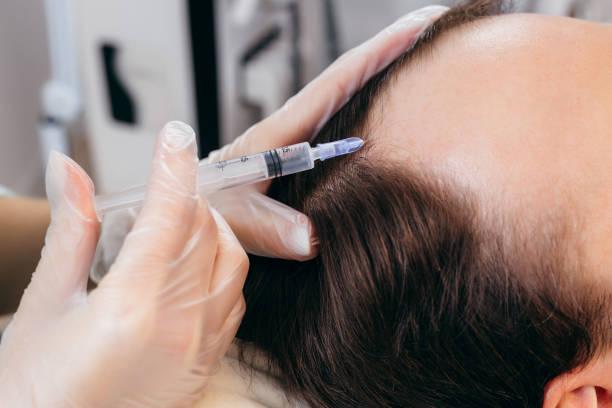
A hair restoration consultation is an important opportunity to understand the reasons behind hair thinning and explore suitable treatment options. Before considering platelet-rich plasma (PRP) therapy, patients should learn how the procedure works, what it can realistically achieve, and whether it is appropriate for their particular hair concerns. PRPHairTreatment in Riyadh Asking clear questions can help make the consultation more informative and support better healthcare decisions.
When researching PRP Hair Treatment in Riyadh, it is useful to understand that PRP uses a concentrated portion of a person's own blood, containing platelets and growth factors involved in natural tissue-repair processes. However, results vary, and the treatment is not suitable for every type of hair loss. A detailed consultation helps clarify expectations, medical suitability, and the next steps.
A consultation allows a qualified healthcare professional to examine the scalp, review medical history, and investigate possible reasons for hair thinning. Hair loss may be associated with genetics, hormonal changes, nutritional deficiencies, stress, medications, or underlying health conditions.
PRP should not automatically be considered the right solution for every patient. A professional assessment helps determine whether it may be appropriate or whether another treatment or medical investigation should be considered first.
Understanding the underlying cause is one of the most important parts of the consultation. Different forms of hair loss can require different approaches.
Ask whether your hair thinning pattern suggests hereditary hair loss, temporary shedding, a scalp condition, or another possible cause. The healthcare professional may recommend additional examinations or blood tests when clinically appropriate.
PRP may be considered for certain forms of hair thinning, particularly when existing follicles remain. However, suitability depends on individual circumstances.
Discuss your scalp condition, medical history, medications, and previous hair treatments. Ask whether PRP is appropriate for your situation and whether alternative approaches may be more suitable.
PRP is prepared by collecting a small blood sample and processing it to concentrate platelets. These platelets contain growth factors that participate in cellular communication and tissue repair.
Ask how the treatment is intended to support the scalp environment and what current research suggests about its effectiveness. Understanding the biological process can help distinguish realistic expectations from exaggerated claims.
The recommended treatment schedule varies depending on the patient's condition, clinical protocol, and response. Some treatment plans involve an initial series of sessions followed by assessment or maintenance.
Ask how many sessions may be considered, how far apart they are scheduled, and when progress will be reviewed. Avoid assuming that everyone requires the same treatment frequency.
Hair growth follows a natural cycle, so changes generally take time to assess. Some patients may notice improvements in hair thickness or density, while others may experience limited results.
Ask when the healthcare professional recommends evaluating progress and how improvement will be measured. Photographs and scalp assessments may help compare changes over time.
Ask the practitioner to explain each stage, from blood collection and centrifuge processing to scalp application. Understanding the procedure can make it easier to prepare and know what to expect.
You can also ask which preparation system is used and whether the process follows appropriate clinical hygiene standards.
PRP involves injections into selected scalp areas. Some patients experience temporary discomfort, tenderness, or sensitivity.
Ask whether any comfort measures are available and what sensations are commonly experienced during and after the procedure. The practitioner should explain possible side effects without promising a completely discomfort-free experience.
Although PRP uses material from the patient's own blood, it is still a medical procedure. Potential effects include temporary redness, swelling, tenderness, bruising, and, less commonly, infection or other injection-related complications.
Ask which risks are relevant to your medical history and what symptoms should prompt medical attention.
Tell the practitioner about all prescription medicines, non-prescription products, and supplements you use. Ask whether any require special consideration before the procedure.
Do not stop or adjust prescribed medication without advice from the healthcare professional responsible for your care.
Aftercare instructions may include guidance on scalp washing, hair products, physical activity, and temporary restrictions. These recommendations can vary according to the clinical protocol.
Ask for written instructions so you can follow them accurately after the appointment.
Follow-up assessments help determine whether the treatment is producing measurable changes. Ask whether progress will be reviewed through scalp examinations, photographs, or other appropriate methods.
It is also useful to understand when the practitioner may recommend changing the treatment plan or considering another approach.
Patients researching prp hair treatment cost in saudi arabia should ask what is included in the proposed treatment plan. The number of sessions, preparation method, medical assessment, practitioner qualifications, and follow-up arrangements may influence the overall plan.
Rather than comparing treatment options based on a single factor, ask for a clear explanation of the services provided and whether additional assessments may be required.
Preparing a few details before the appointment can help make the discussion more productive. Consider bringing information about:
Your hair loss history, including when you first noticed changes.
Any previous hair restoration treatments.
Current medications and supplements.
Relevant medical conditions and previous investigations.
Scalp symptoms, such as itching or irritation.
Questions about treatment expectations, safety, and alternatives.
Providing accurate information helps the practitioner assess your circumstances more effectively.
A PRP hair treatment consultation should cover the cause of hair loss, medical suitability, treatment preparation, expected results, possible risks, and follow-up care. Asking thoughtful questions helps patients understand what the procedure involves and whether it is an appropriate option. Since PRP outcomes vary, decisions should be based on professional assessment and realistic expectations rather than guaranteed promises.
For those seeking expert guidance and customized aesthetic care, you can book an appointment consultation at Enfield Royal Riyadh to discuss PRP treatment suitability, understand the procedure, and receive professional advice.
Ask about your hair loss cause, treatment suitability, possible risks, expected results, and follow-up schedule.
Yes. A scalp assessment helps identify possible causes of hair loss and evaluate treatment suitability.
No. Its effectiveness varies, and some hair loss conditions require different medical treatments.
Progress may be assessed through scalp examinations, photographs, and follow-up consultations.
Yes. Share all medicines and supplements with your healthcare professional before treatment.



