Indonesia
 English
 Arabic
 French
 Spanish
 Portuguese
 Deutsch
 Turkish
 Dutch
 Italiano
 Russian
 Romaian
 Portuguese (Brazil)
 Greek
Discovering Original Oil Paintings Online and Mixed Media Art
Other |
2026-10-06 15:17:46
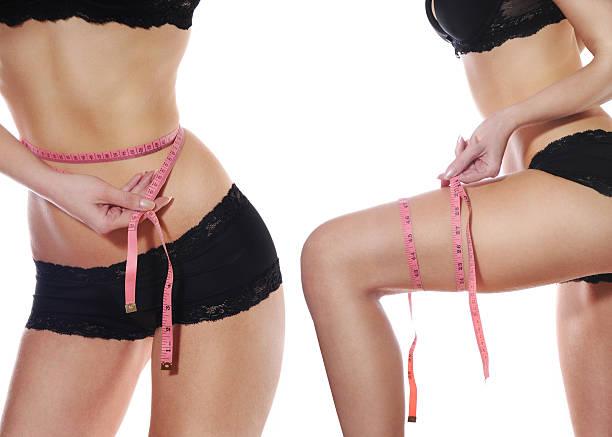
Stubborn fat can remain in certain areas even when someone follows a balanced diet and exercises regularly. For people considering Liposuction in Riyadh, understanding whether the procedure can permanently remove unwanted fat is an important part of making an informed decision. Liposuction is designed to target localized fat deposits and reshape specific areas of the body rather than provide overall weight loss. Knowing how fat cells respond after treatment can help patients develop realistic expectations about their results.
Stubborn fat refers to localized fat deposits that may be difficult to reduce through lifestyle changes alone. Common areas include the abdomen, thighs, hips, flanks, arms, back, and under the chin. Genetics, hormones, age, body composition, and natural fat distribution can influence where the body stores fat. Even people who maintain a healthy weight may have areas where fat is more resistant to diet and exercise.
The body stores energy in fat cells, and their distribution varies from person to person. Factors such as genetics and hormonal changes can influence the size and location of these deposits. Weight fluctuations can also affect fat distribution. As a result, reducing overall body weight does not always produce the same degree of contour change in every area.
Liposuction is a surgical body-contouring procedure that removes fat cells from selected areas using specialized techniques. During treatment, a surgeon makes small incisions and uses a cannula to loosen and remove targeted fat. The technique and equipment used can vary according to the treatment area, the amount of fat being addressed, and the patient's individual anatomy.
Yes. Liposuction removes fat cells from the treated area rather than simply shrinking them temporarily. Once removed, those particular cells do not grow back. However, the body still contains fat cells in the treated and untreated areas, so future weight gain can change body contours.
The fat cells physically removed during liposuction are considered permanently eliminated. However, the long-term appearance of the body depends on factors such as weight stability, aging, lifestyle, and natural changes in body composition. Significant weight gain can cause the remaining fat cells to enlarge, which may affect the contours achieved through treatment.
If a person gains a substantial amount of weight after liposuction, remaining fat cells can increase in size. Fat may also accumulate in areas that were not treated. This means liposuction can provide a lasting contour change, but it does not make the body permanently resistant to future fat accumulation.
Fat cells removed from a specific area do not regenerate in the same way as before. However, remaining cells can enlarge, which may make the treated region appear fuller again. Maintaining a relatively stable weight can help preserve the results for a longer period.
Liposuction may be used to improve contours in several areas where localized fat deposits are present. Depending on individual anatomy and treatment goals, these can include the abdomen, waist, hips, thighs, arms, back, and under the chin. A qualified surgeon determines whether the targeted area is appropriate for treatment during a consultation.
The abdomen and waist are commonly associated with stubborn fat. Liposuction can be used to remove localized deposits and improve the transition between the torso and waistline. The final contour depends on the patient's existing body shape, skin quality, and amount of excess fat.
Localized fat can also occur around the thighs, upper arms, back, or beneath the chin. Treatment is tailored to the specific anatomy of each area, with the goal of creating balanced and natural-looking contours rather than simply removing as much fat as possible.
Liposuction is primarily a body-contouring procedure, not a substitute for weight management. It is generally considered for people who are relatively close to their desired weight but have localized areas of fat that are resistant to lifestyle measures. Maintaining realistic expectations is essential because the procedure is intended to refine body shape rather than treat generalized obesity.
A stable weight before and after treatment can help produce more predictable and durable contouring results. Significant weight changes may alter the proportions of the treated area and surrounding regions. Healthy habits can therefore play an important role in maintaining the appearance achieved through surgery.
Liposuction can provide long-lasting results because the targeted fat cells are removed from the treated area. However, the body continues to change naturally over time. Aging, pregnancy, hormonal changes, and substantial weight fluctuations can affect body contours. When weight remains relatively stable, many patients can maintain their improved contours for years.
After recovery and medical clearance, regular physical activity and a balanced eating pattern can support a stable body composition. Following postoperative instructions and attending recommended follow-up appointments can also help ensure that recovery progresses appropriately.
Suitability depends on individual health, body composition, skin elasticity, treatment goals, and expectations. People with localized fat deposits and relatively stable weight may be considered candidates, but only a qualified medical professional can determine whether liposuction is appropriate. A consultation allows the surgeon to evaluate the areas of concern and discuss potential benefits and limitations.
If stubborn fat is affecting the contours of areas such as the abdomen, thighs, waist, arms, or chin, Royal Clinic Saudia can help you explore appropriate body-contouring options. During a consultation for Liposuction in Riyadh, a qualified professional can assess your goals, discuss realistic expectations, and explain the recovery and long-term maintenance involved.
Liposuction permanently removes many fat cells from the treated area. However, remaining fat cells can enlarge with significant weight gain, so maintaining a stable weight is important for preserving results.
The fat cells removed during treatment do not simply grow back, but remaining cells can become larger. Weight gain can therefore change the treated area's appearance or cause additional fat accumulation elsewhere.
It may be suitable for individuals who are relatively close to their desired weight but have localized fat deposits that remain resistant to diet and exercise. A professional assessment is needed to determine suitability.
Maintaining a stable weight, following a balanced diet, exercising after recovery and medical clearance, and following postoperative instructions can help support long-term contouring results.