Indonesia
 English
 Arabic
 French
 Spanish
 Portuguese
 Deutsch
 Turkish
 Dutch
 Italiano
 Russian
 Romaian
 Portuguese (Brazil)
 Greek
What Is Vaser Liposuction and How Does It Work?
Health |
2026-11-05 07:02:55
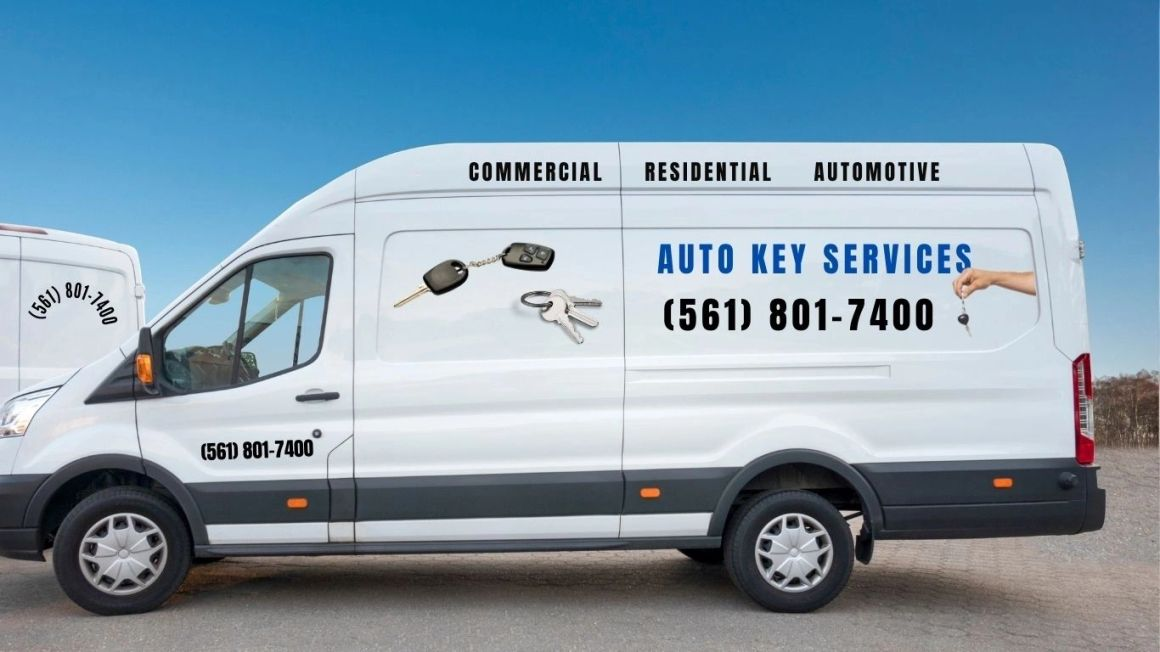
Most people only think about calling a locksmith during a moment of pure frustration—standing outside a front door in the rain after the latch clicked shut, or staring through a car window at keys resting squarely on the driver's seat. While emergency lockouts remain a vital part of the trade, portraying the profession solely as door-opening rescue misses the vast majority of what skilled security technicians do every single day.
Behind the scenes, modern lock and security work sits right at the intersection of precision mechanical engineering, architectural hardware, and digital access electronics. From outfitting commercial warehouses with restricted master key hierarchies to programming encrypted automotive immobilizers, today's specialists safeguard homes, vehicles, and businesses in ways that go far beyond a simple set of lock picks.
Moving into a newly purchased house or rental property is one of the smartest times to schedule a professional security evaluation. Previous owners, contractors, real estate agents, and neighbors may still hold copies of the existing house keys without anyone realizing it. Rather than tearing out perfectly good deadbolts and handlesets, a technician can rekey the existing cylinders—replacing the tiny internal driver and bottom pins so old keys immediately stop working while a brand-new set operates every exterior door seamlessly.
Beyond basic rekeying, residential specialists evaluate weak points that homeowners often overlook:
High-Security Deadbolt Installations: Upgrading builder-grade latches to heavy-duty ANSI Grade 1 deadbolts equipped with hardened steel strike plates and three-inch framing screws prevents kick-in forced entry.
Smart Lock Integration: Installing keypad deadbolts, biometric readers, or Wi-Fi-connected smart locks lets families grant temporary access codes to housekeepers or guests while maintaining a traditional keyway override.
Window and Sliding Patio Locks: Secondary entry points on ground floors frequently rely on flimsy factory latches that slide open under light pressure; adding auxiliary pin locks or keyed sash bolts closes those easy gaps.
Running a retail store, medical clinic, or office building requires balancing convenient employee flow with strict accountability. Handing every staff member a massive ring of twenty different keys slows down daily operations and creates chaos whenever someone leaves the company.
Commercial technicians solve that logistical puzzle by designing custom master key systems. Through careful mathematical pin calculations, a single cylinder can be pinned to accept two or more distinct keys: an individual change key that opens only one specific office or supply closet, and a master key carried by a manager that opens every door in the facility. For larger enterprises, specialists install electronic card-swipe readers, electromagnetic door strikes, and panic exit bars that comply strictly with local fire and building safety codes.
Cars have transformed into rolling computer networks, and automotive locksmithing has evolved right alongside them. When a vehicle key snaps inside a worn ignition switch or a proximity fob vanishes at the beach, dealership service departments often require towing the vehicle onto their lot and waiting days for factory-ordered parts.
Mobile automotive specialists bring dealer-grade diagnostic computers, computerized milling machines, and extensive fob inventories directly to the stranded vehicle. They decode mechanical door cylinders, cut high-security sidewinder blades, pair transponder chips to the engine control unit, and rebuild damaged ignition tumblers right in a parking space—saving drivers both towing fees and days without transportation.
Because security work grants direct access to your most valuable property, choosing a reputable professional matters immensely. Unfortunately, deceptive lead-generation call centers sometimes advertise unrealistically low fifteen-dollar service calls online, only to send untrained subcontractors who drill out perfectly healthy locks and demand hundreds of dollars on the spot.
Protecting yourself takes just a few quick verification steps:
Look for Transparent Pricing Estimates: A legitimate specialist asks specific questions about your lock brand, vehicle make and year, or door material over the phone and provides a realistic price range before dispatching a van.
Verify Local Credentials and Branding: Reputable companies operate clearly marked service vehicles, carry proper state licensing or trade insurance, and provide itemized receipts detailing parts and labor.
Expect Non-Destructive Entry First: Drilling a cylinder should always be an absolute last resort reserved for malfunctioning or high-security locks; skilled professionals rely on bypass tools, lishi decoders, and precision picking to open standard locks cleanly without ruining your hardware.
Saving the contact information of a vetted local specialist in your phone before an emergency strikes is one of the easiest ways to stay prepared. Whether you need to rekey a new home, repair a stubborn ignition switch, or upgrade business access controls, working with a skilled professional delivers lasting peace of mind long after the door clicks shut.