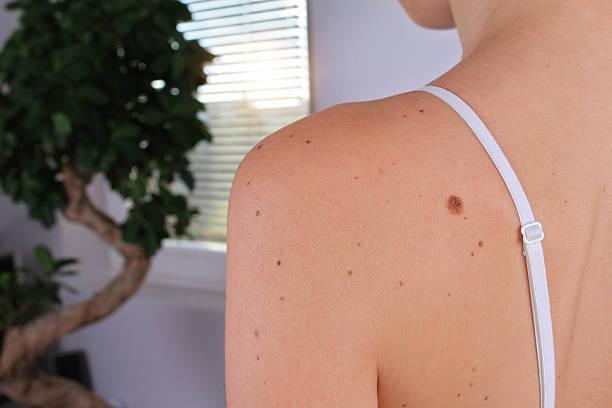
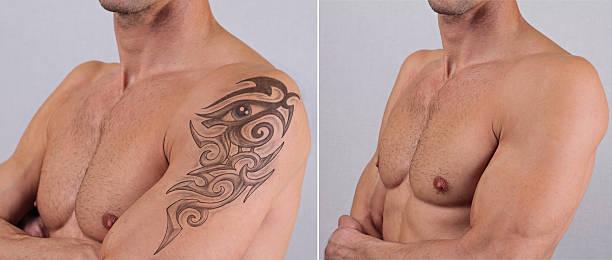
Mole removal raises more questions than almost any other minor procedure. Patients want to know whether removal is safe, which method works best, whether scarring is inevitable, and how to tell if a mole needs attention in the first place. Mole Removal in Riyadh(إزالة الشامات في الرياض) Rather than sifting through conflicting online advice, patients deserve clear answers grounded in clinical practice. Understanding Mole Removal in Riyadh properly means getting direct answers to the questions that actually influence decisions.
Questions About Assessment
Does Every Mole Need to Be Removed?
No. Most moles are benign and require only monitoring. Removal is recommended when a mole shows suspicious features, causes symptoms, or when the patient prefers removal for cosmetic reasons following assessment.
How Do I Know If a Mole Is Dangerous?
The ABCDE criteria help: Asymmetry, Border irregularity, Colour variation, Diameter greater than six millimetres, and Evolution over time. Any of these features warrants professional evaluation.
What Is the Ugly Duckling Sign?
A mole that looks distinctly different from your other moles deserves attention, even if it does not meet ABCDE criteria.
Should I Get My Moles Checked Regularly?
Annual professional skin checks are recommended for most adults, and more frequently for those with a history of skin cancer or many atypical moles.
Can a Doctor Tell If a Mole Is Benign Just by Looking?
Not always. Dermatoscopy provides magnified inspection that significantly improves accuracy, and biopsy provides certainty.
Why This Matters
Assessment determines whether removal is appropriate and which method suits your case.
Questions About Removal Methods
Which Method Is Best?
It depends on the mole. Surgical excision allows tissue analysis and suits suspicious or deeper moles. Shave removal suits raised, benign moles. Laser suits superficial, benign moles. Cryotherapy suits small, flat lesions.
Does Excision Always Leave a Scar?
Yes, some scarring is inevitable with any removal method. The goal is an inconspicuous scar, not the absence of one.
Can Laser Remove Any Mole?
No. Laser suits only superficial, clearly benign moles and does not allow tissue analysis. Using laser on a suspicious mole prevents diagnosis.
Will the Mole Grow Back?
Regrowth is possible, particularly with shave or laser removal if deeper pigment cells remain. Excision carries the lowest regrowth risk.
How Do I Choose a Method?
A qualified practitioner should assess the mole's type, depth, location, and characteristics before recommending a method.
Why This Matters
A Laser mole removal price should never determine which method is chosen. Suitability comes first.
Questions About the Procedure
Is Mole Removal Painful?
Local anaesthetic ensures comfort during the procedure. Mild soreness afterward is normal and typically resolves within days.
How Long Does the Procedure Take?
Most mole removals take between ten and thirty minutes, including preparation and aftercare instructions.
Will I Need Stitches?
Surgical excision typically requires sutures, which are removed at a follow-up appointment. Shave removal, laser treatment, and cryotherapy usually heal without stitches.
Can I Drive Home Afterwards?
If only local anaesthetic is used, yes. If sedation is used, arrange transport.
What Should I Bring to My Appointment?
Your medication list, medical history summary, questions, and clean skin on the treatment area.
Why This Matters
Understanding the procedure reduces anxiety and helps you prepare appropriately.
Questions About Healing
How Long Does Healing Take?
Superficial removal typically heals within one to two weeks. Surgical excision may take longer, particularly if sutures are used.
What Does Normal Healing Look Like?
A scab or crust forms, then sheds naturally. Redness and tenderness reduce over the first week.
How Long Until the Scar Matures?
Scars typically become less noticeable over six to twelve months with proper care.
Will the Treated Area Change Colour?
Treated areas may appear pink, darker, or lighter during healing. This usually settles with sun protection.
When Can I Resume Exercise?
Avoid strenuous activity for the first few days, and follow your practitioner's guidance on resuming exercise.
Why This Matters
Understanding the healing timeline prevents unnecessary worry.
Questions About Aftercare
How Do I Care for the Area?
Keep it clean and dry, follow dressing instructions, and avoid picking at scabs or crusts.
Can I Get the Area Wet?
Follow your practitioner's specific instructions. Soaking delays healing and increases infection risk.
Should I Use Sunscreen?
Yes. Freshly healed skin is highly photosensitive. Sun exposure darkens scars and makes them more persistent.
When Can I Use Makeup on the Area?
Wait until the area is fully closed and your practitioner confirms it is safe.
What Products Should I Avoid?
Retinoids, acids, and exfoliants should be kept away from the healing area until cleared.
Why This Matters
Aftercare significantly influences both safety and the final cosmetic result.
Questions About Risks and Complications
What Are the Main Risks?
Scarring, infection, regrowth, and pigmentation changes are the primary considerations.
What Are Signs of Infection?
Increasing redness, warmth, swelling, discharge, or fever require prompt medical evaluation.
What If the Mole Grows Back?
Regrowth should be reported, particularly if the mole had suspicious features.
What If I Am Unhappy With the Scar?
Scar treatments are available once healing is complete. Discuss options with your practitioner.
When Should I Seek Urgent Advice?
If you notice worsening redness, discharge, severe pain, fever, or unusual scarring.
Why This Matters
Early intervention resolves most complications quickly.
Questions About Skin Cancer
Can Mole Removal Prevent Skin Cancer?
Removing a suspicious mole can prevent that specific lesion from progressing, but it does not reduce your overall risk.
What Are the Types of Skin Cancer?
Basal cell carcinoma, squamous cell carcinoma, and melanoma are the main types. Melanoma is the most serious.
How Often Should I Check My Skin?
Monthly self-examination plus annual professional checks are recommended for most adults.
Does Sun Protection Really Help?
Yes. Daily sun protection significantly reduces the risk of developing skin cancer.
What Should I Do If I Notice a Change?
Seek professional assessment promptly rather than waiting to see if it resolves.
Why This Matters
Awareness and action together protect your health.
Questions About Choosing a Provider
What Should I Look For?
Qualified practitioners with specific training in mole assessment and removal, experience with your skin type, and a willingness to biopsy when appropriate.
Should I Get a Second Opinion?
Yes, and ethical practitioners welcome it. An independent assessment confirms whether recommendations are appropriate.
What Are Red Flags?
Removal without examination, no dermatoscopy, no discussion of analysis, unrealistic promises, and dismissal of your questions.
Is Cheaper Always Worse?
Not always, but a Laser mole removal price should never be the primary factor. Expertise and assessment matter more.
When Should I Walk Away?
If you feel pressured, if your questions are deflected, or if the provider dismisses safety concerns.
Why This Matters
Choosing the right provider protects both your health and your appearance.
Final Thoughts: Answers Enable Confident Decisions
Mole removal is a safe, effective procedure when performed appropriately—but only when decisions rest on accurate information. Most moles require monitoring, not removal. Assessment comes before treatment. Method selection matters. Scarring is manageable. Understand Mole Removal in Riyadh as a clinical decision grounded in expert guidance, and your treatment will rest on solid ground.
For those seeking expert guidance and customized aesthetic care, you can book an appointment consultation at the 'Enfield Royal Riyadh(إنفيلد رويال الرياض).
FAQs
Do all moles need to be removed?
No, most benign moles require only monitoring. Removal is recommended for suspicious, symptomatic, or unwanted moles.
Which removal method is best?
It depends on the mole. Excision allows analysis; shave and laser removal suit clearly benign moles.
Will mole removal leave a scar?
Yes, some scarring is inevitable, but proper aftercare minimises its appearance.
Can a mole grow back after removal?
Regrowth is possible, particularly with shave or laser removal if deeper pigment cells remain.
When should I seek professional assessment?
If a mole changes, bleeds, itches, or looks different from your other moles.
 Indonesia
 English
 Arabic
 French
 Spanish
 Portuguese
 Deutsch
 Turkish
 Dutch
 Italiano
 Russian
 Romaian
 Portuguese (Brazil)
 Greek