Indonesia
 English
 Arabic
 French
 Spanish
 Portuguese
 Deutsch
 Turkish
 Dutch
 Italiano
 Russian
 Romaian
 Portuguese (Brazil)
 Greek
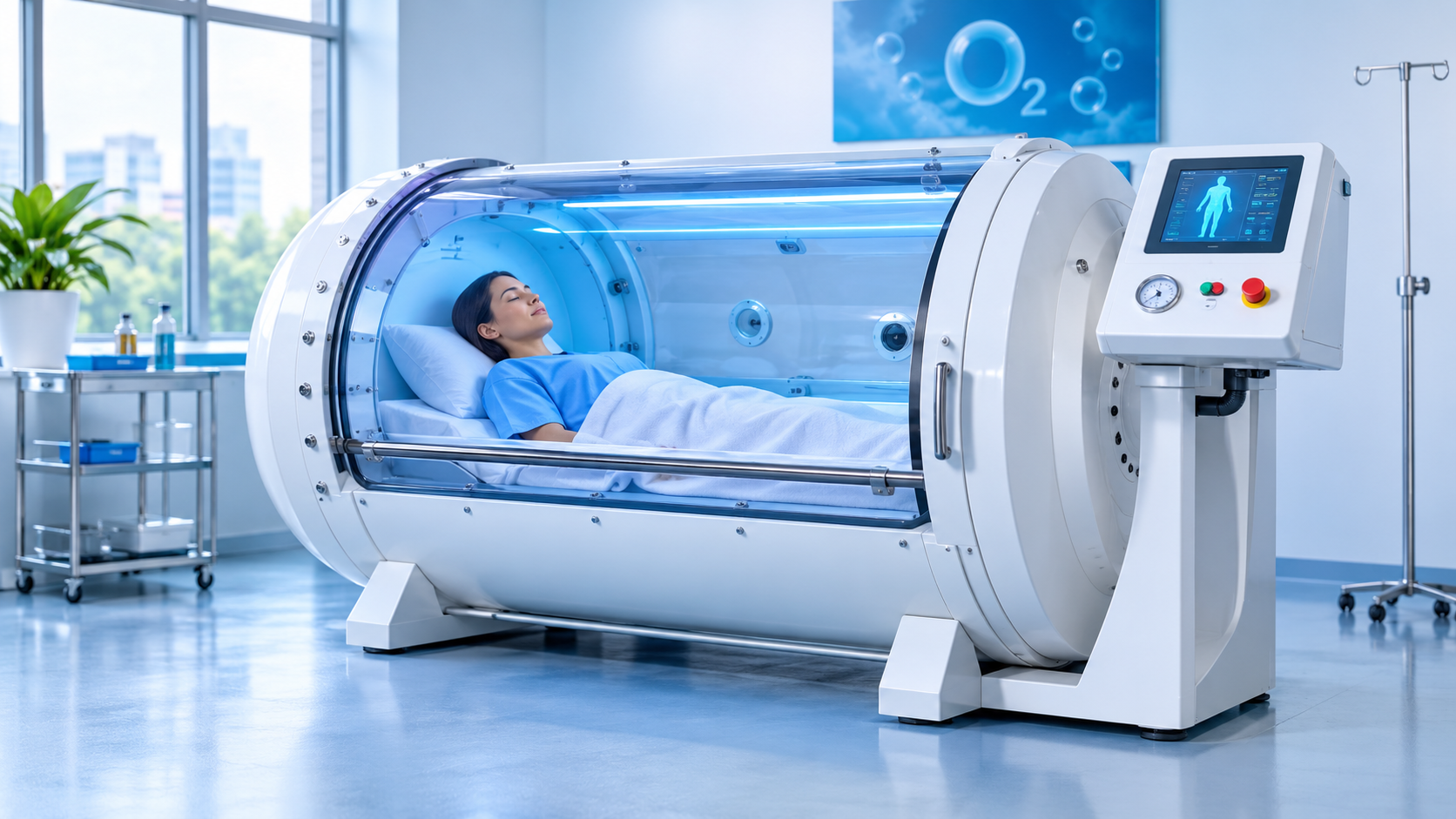
Essential Hyperbaric Oxygen Chamber Safety Features for Hospitals
Other |
2026-11-17 10:16:08
Understanding your blood sugar levels is an important part of maintaining good health, especially if you have diabetes or want to monitor your risk of developing it. One useful measurement is Hemoglobin A1C, commonly known as A1C. It provides an estimate of your average blood glucose levels over the previous two to three months.
Many people want to know how to calculate A1C at home without visiting a laboratory. Although you cannot accurately measure your actual A1C percentage using a regular glucose meter, you can estimate it by using your average blood sugar readings and a simple mathematical formula.
In this guide, you will learn how to calculate A1C at home, understand the estimated A1C formula, convert average blood sugar into A1C percentages, and interpret the results.
Hemoglobin A1C is a blood test that measures the percentage of hemoglobin proteins in your red blood cells that have glucose attached to them.
When blood sugar levels remain high, more glucose attaches to hemoglobin. Therefore, a higher A1C percentage generally indicates higher average blood glucose levels.
Unlike a regular blood sugar test, which measures glucose at a particular moment, an A1C test reflects your average blood sugar over approximately the past three months.
A1C testing is important because it can help:
Monitor long-term blood sugar control.
Identify prediabetes and diabetes.
Evaluate whether diabetes management is working.
Help healthcare professionals adjust treatment plans.
Understand the risk of diabetes-related complications.
You can estimate your A1C at home using your average blood glucose readings from a glucometer or continuous glucose monitor (CGM).
The estimated A1C formula is:
A1C (%) = (Average Blood Sugar + 46.7) ÷ 28.7
In this formula, average blood sugar is measured in mg/dL.
For example, if your average blood sugar is 150 mg/dL, the calculation would be:
A1C = (150 + 46.7) ÷ 28.7
A1C = 196.7 ÷ 28.7
Estimated A1C = 6.85%
This means your estimated A1C is approximately 6.9%.
Remember that this formula provides an estimate, not an actual laboratory A1C result.
Follow these simple steps to calculate your estimated A1C percentage.
Start by collecting your blood glucose readings using a home glucose meter or CGM.
For a more meaningful estimate, use readings collected consistently throughout the day and over several weeks. Ideally, the data should cover approximately 90 days.
You can check your blood sugar:
Before breakfast.
Before lunch and dinner.
Two hours after meals.
Before bedtime.
More consistent readings provide a better picture of your average glucose levels.
Add all your recorded blood sugar readings and divide the total by the number of readings.
For example:
Suppose your five blood sugar readings are:
120 mg/dL
140 mg/dL
150 mg/dL
130 mg/dL
160 mg/dL
Total = 700 mg/dL
Average = 700 ÷ 5
Average Blood Sugar = 140 mg/dL
For an accurate estimate, use a larger number of readings collected across different times and days rather than just five measurements.
Now use the estimated A1C formula:
A1C = (Average Blood Sugar + 46.7) ÷ 28.7
Using our example:
A1C = (140 + 46.7) ÷ 28.7
A1C = 186.7 ÷ 28.7
Estimated A1C = 6.5%
Your estimated A1C is approximately 6.5%.
Once you calculate your A1C, compare it with the standard A1C categories to understand what the percentage may indicate.
However, only a proper diagnostic test can determine whether you have prediabetes or diabetes.
The following chart shows approximate A1C percentages based on estimated average glucose levels.
|
Average Blood Sugar (mg/dL) |
Estimated A1C |
|---|---|
|
97 |
5.0% |
|
114 |
5.6% |
|
120 |
5.8% |
|
126 |
6.0% |
|
140 |
6.5% |
|
154 |
7.0% |
|
169 |
7.5% |
|
183 |
8.0% |
|
197 |
8.5% |
|
212 |
9.0% |
|
226 |
9.5% |
|
240 |
10.0% |
These values are approximate conversions using the estimated average glucose relationship.
Understanding A1C ranges can help you interpret your laboratory test results.
According to commonly used diagnostic guidelines:
|
A1C Percentage |
Category |
|---|---|
|
Below 5.7% |
Normal |
|
5.7%–6.4% |
Prediabetes |
|
6.5% or higher |
Diabetes range |
An A1C result of 6.5% or higher may indicate diabetes, but diagnosis generally requires confirmation with appropriate testing unless clear symptoms and other diagnostic criteria are present.
People already diagnosed with diabetes may have individualized A1C targets based on their age, health, medications, and other factors.
You can estimate your A1C without visiting a laboratory by using average blood glucose readings from your home glucose meter or CGM.
However, an actual A1C percentage cannot be measured using a regular home glucose meter.
You can also purchase an FDA-cleared or otherwise appropriately approved home A1C testing kit, depending on availability in your country. These kits use a blood sample to measure A1C rather than simply estimating it from glucose readings.
For reliable results, laboratory testing remains an important option.
Although calculating A1C at home is convenient, it has some limitations.
1. Incomplete readings: If you only check blood sugar once or twice daily, you may miss important glucose fluctuations.
2. Short monitoring period: A few days of readings cannot accurately represent your average blood sugar over approximately three months.
3. Individual differences: Conditions affecting red blood cells, including anemia and certain hemoglobin variants, can affect laboratory A1C accuracy.
4. Estimation errors: The formula calculates an estimated relationship between average glucose and A1C. Your actual laboratory result may be different.
Therefore, never use a home calculation alone to diagnose diabetes or change your medication.
If your blood sugar readings are consistently higher than expected, consider discussing the results with a healthcare professional.
Some general lifestyle habits that support healthy blood glucose levels include:
Eat balanced meals with vegetables, fiber, protein, and appropriate portions of carbohydrates.
Include regular physical activity in your daily routine.
Drink enough water throughout the day.
Maintain a consistent sleep schedule.
Monitor your blood glucose as recommended by your healthcare professional.
Take prescribed medications as directed.
Small, consistent lifestyle changes can support better long-term blood sugar management.
The estimated A1C formula is:
A1C (%) = (Average Blood Sugar in mg/dL + 46.7) ÷ 28.7.
It converts average blood glucose into an estimated A1C percentage.
Yes, you can estimate your A1C using average readings from a regular glucometer. However, a glucometer does not directly measure A1C.
An A1C of approximately 7% corresponds to an estimated average blood glucose level of 154 mg/dL.
Ideally, use consistent blood glucose readings covering approximately 90 days. More complete readings across different times of the day can improve your estimate.
An online A1C calculator can provide a mathematical estimate based on your average blood glucose. However, it cannot replace an actual laboratory A1C test.
Learning how to calculate A1C at home can help you understand the relationship between average blood sugar and long-term glucose control. By collecting regular glucose readings, calculating your average, and applying the simple A1C formula, you can estimate your A1C percentage.
However, remember that an estimated result is not the same as a laboratory measurement. If you are concerned about your blood sugar levels, consult a healthcare professional and consider getting a proper A1C test for a more reliable assessment.