Indonesia
 English
 Arabic
 French
 Spanish
 Portuguese
 Deutsch
 Turkish
 Dutch
 Italiano
 Russian
 Romaian
 Portuguese (Brazil)
 Greek
Tummy Tuck Surgery for Improving Abdominal Proportions Naturally
Health |
2026-10-23 07:02:57
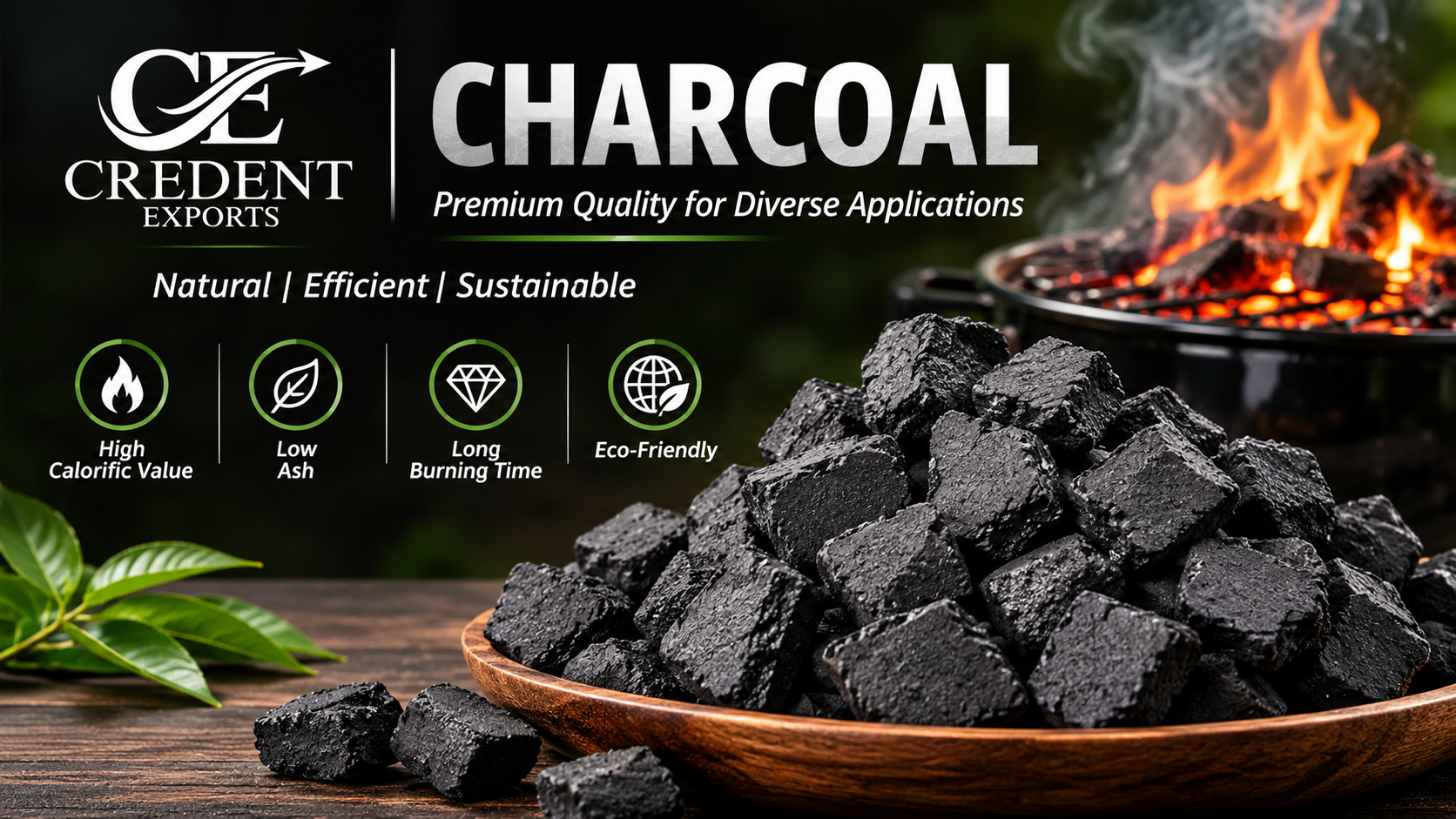
The container was already at the port when the lab report came back: ash at 9%, against the 4% on the contract. Nobody had written down how that ash would be measured. One gap sank a six-figure order. Most disputes over charcoal start there, not with price. Hardwood, coconut shell and briquettes behave differently in a grill, a hookah or a furnace. A buyer who treats them as one commodity pays for it later.
Request a spec sheet for any Charcoal grade before you compare quotes. Numbers below are typical ranges, not guarantees.
Fixed carbon usually sits at 75–85%, with ash of 2–5%. It lights fast and burns hot, but size is inconsistent. Expect fines in every bag, and decide in advance how many you will tolerate.
Dense, low in ash (often under 3%) and slow-burning. It is the standard for hookah and premium grilling. Density matters more than colour. Light, chalky pieces mean under-carbonised shell.
Sawdust or shell powder, pressed and carbonised. They burn 2–4 hours at an even rate, which is why they dominate packaged retail. Binder quality is the weak point: cheap binders spit and smell.
Moisture at destination, not at loading. A lot tested at 5% in a dry factory can arrive at 9% after 30 days in a humid container. Briquettes are the worst offenders. Put the testing point and the tolerance in the contract.
Too many Charcoal Suppliers are traders reselling mixed lots from three kilns. They quote low, ship inconsistent grades, and disappear when the report comes back.
Coconut shell comes mostly from the south, and hardwood and briquette production is spread across several states. Among Charcoal Manufacturers in India, the real differences are kiln control and storage, not location. Ask how long finished stock sits before loading. Buyers abroad should check whether their Charcoal Exporters in India will pack to your destination climate, because standard export bags let moisture through.
We are ISO-certified and have exported to 31 countries. At our facility, every lot is tested for ash and moisture before loading, and we retain a sample from each shipment for 90 days. If a buyer disputes quality, we compare against that sample. We'd rather lose an argument than hide a bad batch.
Send us your target grade, packaging and destination port. We reply within 24 hours with a spec sheet and pricing. Our MOQ is one 20-foot container.
Hardwood, coconut shell and briquettes each win in different applications, and none wins everywhere. Good Charcoal Manufacturers put ash, moisture and fines limits in writing before the order, not after the dispute. Write the testing point into your contract, and your next shipment will be easier to defend.
Briquettes, usually. Consistent size and burn time keep end customers happy. The caveat is binder quality, so test a sample batch before committing volume.
Ask for lot-wise reports, then have an independent lab confirm the first shipment. It costs a little. Skipping it costs far more.
Some are, many aren't. The good ones show kiln capacity and storage practice. The rest quote fast and ship late.
Often yes. Wholesalers repackage, so they care about fines and bulk density. Brand owners care more about burn time and smell.
Moisture first, because it shifts in transit. Then fines percentage, then ash. Record everything on day one, since claims weaken with time.
For a standard container, expect about 3–4 weeks from confirmation to loading. Custom packaging can add time, and I won't promise faster than the kiln allows.
It's possible but not ideal. Mixing grades complicates testing and claims. Send us your volumes and we'll tell you honestly whether it works.