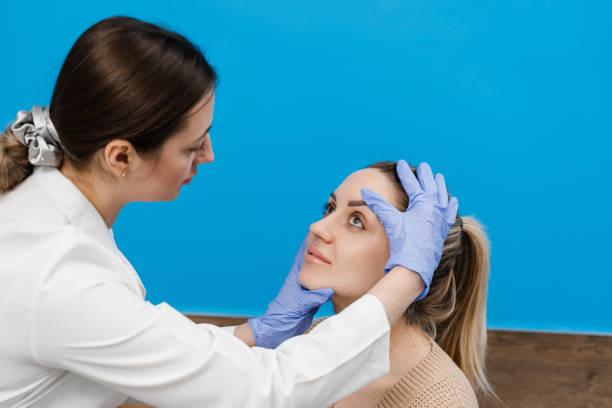
When patients struggle with chronic nasal congestion, sneezing, and a constantly runny nose, they often seek solutions that address the root cause. Some wonder whether rhinoplasty—a procedure known for reshaping the nose—might also cure their allergies. It's a reasonable question, but the answer is an important one: rhinoplasty is not a treatment for allergies. Allergies are an immune system response; rhinoplasty is a structural procedure. Understanding this distinction prevents disappointment and helps patients pursue the right treatments for their symptoms. For anyone considering Rhinoplasty in Riyadh, Rhinoplasty in Riyadh(عملية تجميل الأنف في الرياض) explains why surgery isn't an allergy cure—and what it can and cannot do for nasal health.
Understanding Allergic Rhinitis
What Are Allergies?
Allergic rhinitis—the medical term for nasal allergies—occurs when the immune system overreacts to allergens like pollen, dust mites, or pet dander. The body releases histamine and other chemicals, causing sneezing, congestion, runny nose, and itchy eyes.
Why Allergies Are an Immune Response
Allergies originate in the immune system—not in the structure of the nose. The nasal lining becomes inflamed in response to allergens, but the underlying cause is immunological.
Why Surgery Cannot Fix It
Rhinoplasty changes bone, cartilage, and skin—not the immune system. It cannot stop the body from reacting to allergens.
What Rhinoplasty Can Do for Nasal Health
Correct Structural Obstructions
If a deviated septum or narrow nasal valves contribute to congestion, rhinoplasty can improve airflow—making breathing easier even for patients with allergies.
Improve Drainage
Structural corrections can improve sinus drainage—reducing the frequency of sinus infections.
Address Turbinate Enlargement
Enlarged turbinates—often caused by chronic allergies—can be reduced during surgery, improving breathing.
Enhance Comfort
For patients with both structural issues and allergies, surgery can significantly improve quality of life—even though allergies persist.
What Rhinoplasty Cannot Do
Cure Allergies
Surgery doesn't stop the immune response. Allergy symptoms—sneezing, itching, runny nose—may persist.
Eliminate Congestion Completely
Allergic inflammation can still cause congestion—even after structural correction.
Replace Allergy Treatment
Antihistamines, nasal steroid sprays, immunotherapy, and avoidance strategies remain essential for allergy management.
The Honest Assessment
Rhinoplasty improves structure—not sensitivity. Patients considering Rhinoplasty in Riyadh with allergies should understand this distinction.
Why Some Patients Confuse the Two
Overlapping Symptoms
Both structural issues and allergies cause congestion and breathing difficulties—making it hard to distinguish between them.
Post-Surgical Improvement
Some patients breathe better after surgery—and attribute this to "cured allergies." In reality, the structural improvement is responsible.
Misleading Marketing
Some providers may imply that surgery treats allergies—leading to unrealistic expectations. The Best rhinoplasty surgeon in Riyadh avoids such claims.
The Right Approach for Patients With Allergies
Allergy Testing
Identify triggers through allergy testing—enabling targeted avoidance and treatment.
Medical Management
Antihistamines, nasal steroid sprays, and immunotherapy are first-line treatments for allergies.
Structural Assessment
If structural issues contribute to symptoms, evaluation by a surgeon determines whether correction would help.
Combined Approach
Surgery and allergy management work together—addressing structure and sensitivity for optimal results.
Preparing for Surgery With Allergies
Optimize Allergy Control
Control allergy symptoms before surgery—supporting healing and improving outcomes.
Timing Surgery Strategically
If allergies are seasonal, schedule surgery outside peak seasons when possible.
Disclose Your History
Tell your surgeon about all allergies—seasonal, environmental, and medication allergies.
Continue Management
Allergy management continues after surgery—with your surgeon's approval.
Understanding The cost of rhinoplasty in Riyadh
Understanding The cost of rhinoplasty in Riyadh helps patients plan. But managing allergies requires ongoing treatment—not surgery alone. Choosing the Best rhinoplasty surgeon in Riyadh ensures appropriate assessment.
Conclusion
Rhinoplasty is not an allergy cure—it addresses structure, not immune sensitivity. For patients with both structural issues and allergies, surgery can improve breathing and comfort—but allergy management remains essential. For those considering Rhinoplasty in Riyadh with allergies, understanding this distinction ensures realistic expectations. The cost of rhinoplasty in Riyadh matters for planning, but choosing the Best rhinoplasty surgeon in Riyadh and appropriate treatment plan determine your outcome.
Book Your Consultation Today
For those seeking expert guidance and customized aesthetic care, you can book an appointment consultation at the 'Enfield Royal Riyadh(إنفيلد رويال الرياض).
FAQs
Can rhinoplasty cure allergies?
No, rhinoplasty addresses structure—not the immune response that causes allergies.
Can rhinoplasty help with allergy symptoms?
It may improve breathing if structural issues contribute—but doesn't eliminate allergy symptoms.
Who is the Best rhinoplasty surgeon in Riyadh for patients with allergies?
Choose a surgeon who assesses structural issues and coordinates with allergy management.
What is The cost of rhinoplasty in Riyadh?
Pricing varies by surgeon expertise and complexity; appropriate assessment and qualified care matter more than cost.
Should I treat allergies before rhinoplasty?
Yes, controlling allergy symptoms before surgery supports healing and improves outcomes.
 Indonesia
 English
 Arabic
 French
 Spanish
 Portuguese
 Deutsch
 Turkish
 Dutch
 Italiano
 Russian
 Romaian
 Portuguese (Brazil)
 Greek