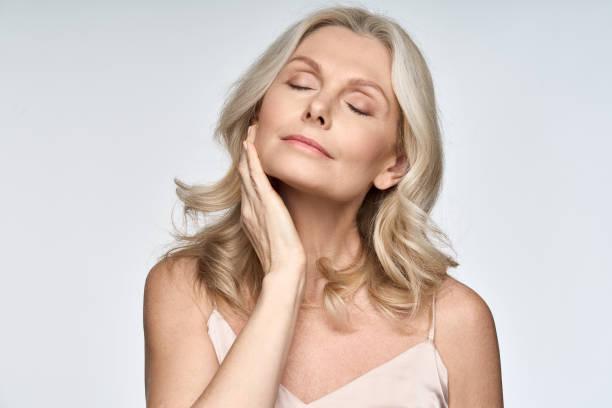
Surgeons operate on tissue, but the visible result is displayed on skin. Tone, thickness, elasticity, oiliness, and pigmentation behaviour all determine how incisions heal, how scars mature, and how natural a final result appears. Cosmetic Surgery in Riyadh(الجراحات التجميلية في الرياض) Two patients receiving identical procedures can have noticeably different outcomes simply because their skin behaves differently. Understanding your skin type is therefore not a cosmetic detail—it is a core part of surgical planning and realistic expectation setting.
Why Skin Type Matters in Surgical Planning
Healing Is Skin-Dependent
Skin provides blood supply, structural support, and immune defence to healing wounds. Thicker, well-vascularised skin tends to heal predictably, while thin or compromised skin may heal slowly or unpredictably. Surgeons adjust technique based on what your skin can tolerate.
Scar Appearance Varies by Skin
Scar maturation depends on melanin activity, collagen remodelling, and tension across the wound. Some skin types produce fine, nearly invisible scars; others form widened, darkened, or raised scars. Understanding this in advance allows preventive planning rather than disappointment later. When Cosmetic Surgery in Riyadh is planned with skin type in mind, patients frequently report better scar outcomes and fewer surprises.
Results Age According to Skin
Elasticity, oiliness, and pigmentation influence how results evolve. Skin that holds shape well may preserve contours for years, while thinner skin may show laxity sooner. Planning for the long term means planning for your skin.
Fitzpatrick Skin Types and What They Mean
The Classification System
The Fitzpatrick scale categorises skin by melanin content and response to ultraviolet exposure, ranging from very fair (Type I) to deeply pigmented (Type VI). It was developed to predict sunburn and tanning response, but it also helps surgeons anticipate pigmentation risk after injury or surgery.
Why It Matters Surgically
Higher melanin activity increases the risk of post-inflammatory hyperpigmentation, where healing skin darkens significantly. This does not make surgery unsafe—it means technique, timing, and aftercare must be adapted to minimise pigment changes.
Beyond the Scale
The Fitzpatrick scale is a useful guide, not a complete description. Skin thickness, oiliness, vascularity, and individual healing history matter just as much. A thorough assessment considers all of these factors rather than relying on a single number.
How Skin Tone Influences Outcomes
Pigmentation Risk After Incisions
Darker skin tones carry higher risk of hyperpigmentation along incision lines and in treated areas. Surgeons reduce this risk through gentle tissue handling, tension-free closure, and strict sun protection during healing.
Hypopigmentation Concerns
Less commonly, healing skin may lose pigment and appear lighter than surrounding areas. This is more likely with aggressive resurfacing or certain laser treatments, which is why device settings must be adjusted for skin type.
Keloid and Hypertrophic Scarring
Some skin types and family backgrounds show a stronger tendency toward raised scars. If this runs in your family, disclose it. Preventive measures include modified incision placement, tension-reducing closure techniques, and early scar management.
Choosing Appropriate Technologies
Laser and energy-based treatments must be selected carefully for darker skin tones. Some devices carry higher risk of burns or pigment change. Experienced providers adjust wavelengths, settings, and protocols accordingly. The Best cosmetic clinic will discuss these considerations openly rather than applying a standard protocol to every patient.
How Skin Texture Influences Outcomes
Thickness and Structural Support
Thicker skin generally holds shape and conceals irregularities better. Thinner skin reveals underlying structure and may show contour irregularities more readily. This influences implant selection, fat grafting volumes, and lifting technique.
Elasticity and Laxity
Elastic skin conforms to new contours after fat removal or lifting. Skin with reduced elasticity may not tighten adequately on its own, meaning additional tightening procedures may be needed. Assessing elasticity honestly prevents unrealistic expectations.
Oiliness and Acne History
Oily skin may heal with different scar characteristics, and a history of acne can leave textural irregularities that influence overall appearance. Addressing skin quality alongside surgical change often produces more polished results.
Pore Size and Surface Texture
Surface texture affects how light reflects from the skin, which influences perceived smoothness. Resurfacing treatments can improve texture, but results depend on skin type and healing capacity.
Genetic and Ethnic Considerations
Inherited Healing Patterns
Family history reveals a great deal about how you heal. Ask relatives about scarring, pigmentation after injury, and recovery from prior surgeries. These patterns often repeat.
Ethnic Feature Preservation
Many patients wish to preserve ethnic characteristics while refining specific concerns. A surgeon experienced with diverse skin types and facial structures can achieve refinement without erasing identity.
Cultural Expectations and Communication
Beauty ideals vary across cultures, and patients should feel comfortable expressing goals shaped by their own background. Clear communication prevents a surgeon from applying a mismatched aesthetic template.
Preparing Your Skin Before and After Surgery
Pre-Operative Skin Conditioning
Surgeons may recommend prescription retinoids, antioxidants, or brightening agents in the weeks before treatment to optimise skin quality. Some products must be paused before surgery, so follow guidance precisely.
Sun Protection Is Essential
Ultraviolet exposure is the single greatest threat to scar appearance and pigmentation. Daily broad-spectrum sunscreen, protective clothing, and avoiding peak sun hours protect your results for at least twelve months. Patients healing after Cosmetic Surgery in Riyadh often find that consistent sun protection mattered more to their final scar appearance than anything else.
Gentle Aftercare
Harsh scrubs, strong acids, and aggressive exfoliation irritate healing skin. Gentle cleansing, moisturising, and following your surgeon's scar protocol support better outcomes.
Scar Management Protocols
Silicone sheeting, massage, and targeted treatments can improve scar appearance when started at the right time. Your surgeon will advise when to begin based on your healing progress.
Questions Worth Asking Your Surgeon
How Does My Skin Type Affect My Plan?
Ask directly. A surgeon who explains skin-specific considerations is planning with your biology in mind.
What Pigmentation Risk Should I Expect?
Request an honest assessment rather than reassurance. Knowing the risk helps you prepare and protect.
Which Technologies Suit My Skin?
Not every device suits every skin type. Confirm that recommended treatments are appropriate for yours.
What Scar Outcome Is Realistic?
Ask to see results in patients with similar skin. Representative examples are more informative than exceptional ones.
What Aftercare Protects My Result?
Request specific guidance on sun protection, product use, and scar management timing.
Final Thoughts: Plan for the Skin You Have
Your skin is not an obstacle—it is information. Tone, texture, elasticity, and healing history all shape what is achievable and how results will look over time. When Cosmetic Surgery in Riyadh is planned with genuine attention to skin type, outcomes look more natural, scars mature better, and expectations match reality. Discuss your skin openly, protect it diligently, and choose a surgeon who treats it as central to the plan rather than incidental to it.
For those seeking expert guidance and customized aesthetic care, you can book an appointment consultation at the 'Enfield Royal Riyadh(إنفيلد رويال الرياض).
FAQs
Does darker skin affect surgical risk?
It increases pigmentation risk after healing, which is manageable with adapted technique and sun protection.
What is the Fitzpatrick scale used for?
It classifies skin by melanin and sun response, helping surgeons anticipate pigmentation and healing behaviour.
Can thin skin still achieve good results?
Yes, but technique and expectations must account for reduced structural support and contour concealment.
How do I reduce scar darkening?
Strict sun protection, gentle aftercare, and early scar management significantly reduce pigmentation risk.
Are laser treatments safe for all skin tones?
Many are safe when settings and wavelengths are adjusted appropriately; provider experience matters greatly.
 Indonesia
 English
 Arabic
 French
 Spanish
 Portuguese
 Deutsch
 Turkish
 Dutch
 Italiano
 Russian
 Romaian
 Portuguese (Brazil)
 Greek