Indonesia
 English
 Arabic
 French
 Spanish
 Portuguese
 Deutsch
 Turkish
 Dutch
 Italiano
 Russian
 Romaian
 Portuguese (Brazil)
 Greek
How to Play and Enjoy UNO Online: A Beginner's Guide
Games |
2026-10-28 03:18:41
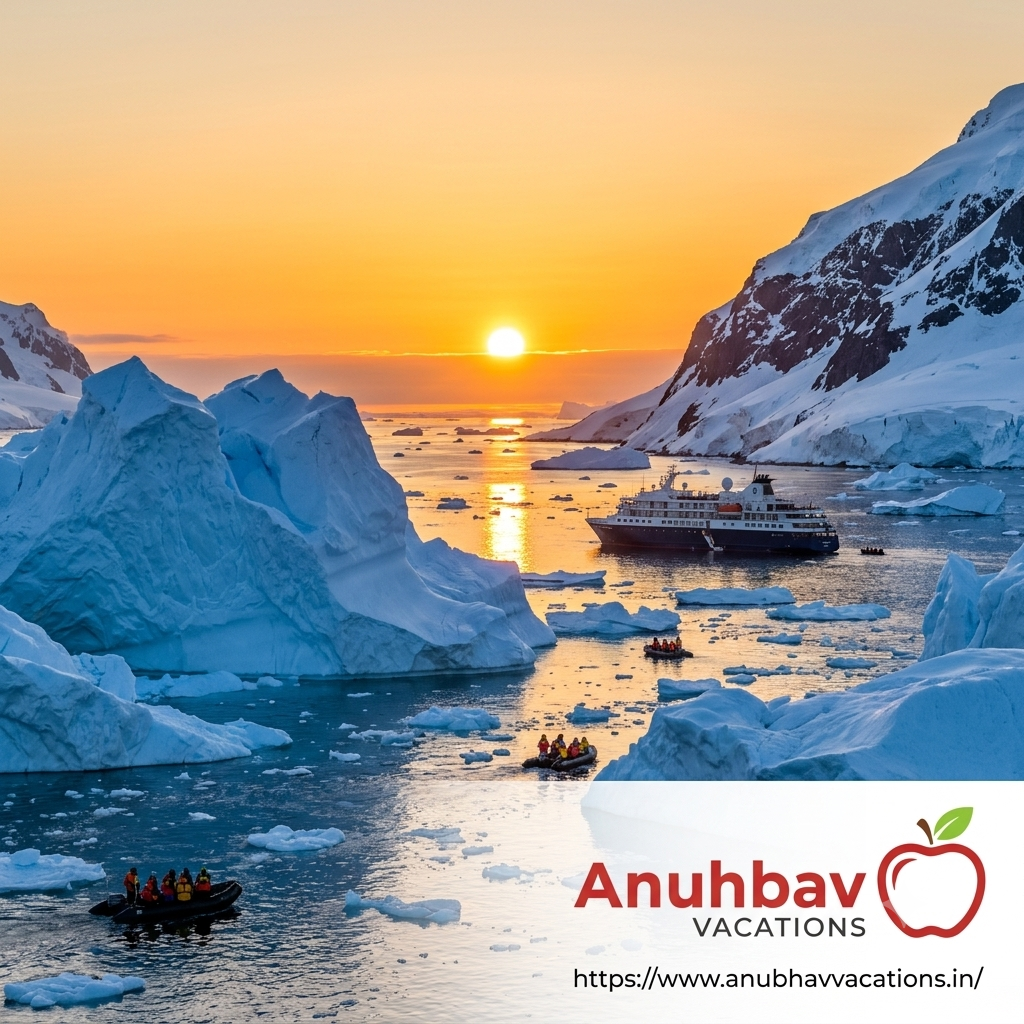
Antarctica tours offer travelers the opportunity to witness some of the most extraordinary natural phenomena on Earth, and the Midnight Sun is among the most fascinating. During the Antarctic summer, the sun remains above the horizon for extended periods, creating an unusual landscape where daylight can continue well into what would normally be nighttime. This phenomenon is especially remarkable for visitors accustomed to regular sunrise and sunset schedules. Depending on the route and latitude reached, travelers may experience continuous daylight or long evenings filled with soft golden light. For anyone planning an expedition to the White Continent, understanding when and where the Midnight Sun occurs can make the journey even more memorable.
Yes, travelers can experience the Midnight Sun on certain Antarctic itineraries, particularly those that reach locations south of the Antarctic Circle during the summer solstice period. However, it is important to understand that not every Antarctic cruise offers a full 24-hour Midnight Sun experience.
Many expedition voyages focus on the Antarctic Peninsula, where visitors can explore islands, glaciers, bays and wildlife habitats. Some of these destinations lie north of the Antarctic Circle. In such places, daylight can last for many hours, and the sun may approach the horizon around midnight before rising higher again. This creates beautiful extended twilight, even when the sun technically sets.
Voyages that travel farther south and cross the Antarctic Circle have a better opportunity to encounter the true Midnight Sun. Whether a particular expedition reaches these areas depends on its itinerary, weather, sea ice and operating conditions.
Travelers should therefore check the route carefully rather than assuming that every Antarctic summer voyage includes 24-hour sunlight.
The Antarctic summer is the best season for experiencing extended daylight. Tourist expeditions generally operate during the warmer months, with most visitors arriving between November and March. The exact daylight conditions change throughout this period.
November marks an exciting period when the Antarctic landscape begins welcoming more expedition visitors. Snow-covered mountains, floating icebergs and expanding areas of open water create spectacular scenery.
Daylight hours are already increasing significantly. Travelers may enjoy long periods of illumination, making it possible to observe the landscape during extended excursions. Wildlife activity also becomes increasingly visible as the summer season develops.
December is particularly important for travelers interested in the Midnight Sun because the Southern Hemisphere reaches its summer solstice around 21 or 22 December.
At locations south of the Antarctic Circle, the sun can remain above the horizon throughout the day and night. The low angle of sunlight can create beautiful reflections across icebergs and calm stretches of water.
This period offers some of the most impressive opportunities to observe the Antarctic summer light, although the experience depends on the latitude reached by the expedition.
January is another excellent month for Antarctic exploration. Daylight remains extensive, and the sun can illuminate the landscape for much of the day.
Penguin colonies are especially interesting during this period, as many chicks are growing and becoming more active. Travelers may also encounter seals resting on ice and whales moving through productive feeding areas.
Even when a voyage does not reach the Antarctic Circle, the extended daylight can make evening wildlife watching and photography particularly rewarding.
As February progresses into March, daylight gradually decreases. The sun begins to spend more time closer to the horizon, producing beautiful colours across the sky.
These months can offer wonderful opportunities for photography, particularly when sunlight reflects off glaciers, snowfields and mountain peaks. Wildlife encounters remain an important part of the expedition experience, although animal activity and visibility vary with location and season.
The Midnight Sun changes the way travelers experience time and landscape. Instead of planning every activity around sunrise and sunset, visitors can enjoy the unusual feeling of a bright environment even during conventional nighttime hours.
Several aspects make this phenomenon particularly memorable.
Antarctica's icebergs come in different shapes, sizes and shades of blue and white. Under extended sunlight, their surfaces can appear especially detailed.
The angle of the sun changes the colours and shadows across the ice. During late evening hours, softer light can create striking contrasts between illuminated ice formations and darker water.
Photographers may have more opportunities to capture the same landscape under changing light conditions without having to wait for the next morning.
When the sea is relatively calm, sunlight can reflect across the water and create impressive visual patterns. Icebergs, distant mountains and snow-covered coastlines may appear mirrored on the ocean's surface.
The changing position of the sun also creates different shades of gold, pink and blue. These natural effects can make even familiar expedition locations look different at various times of the day.
Long daylight hours provide more opportunities to observe Antarctic wildlife during excursions and from the expedition vessel.
Visitors may watch penguins moving between nesting areas and the sea, seals resting on ice floes, and whales surfacing in the surrounding waters. Wildlife sightings are never guaranteed, but the summer season provides favourable opportunities to explore many of these habitats.
The absence of a conventional sunset can make an Antarctic expedition feel completely different from an ordinary holiday. Travelers might enjoy a late-evening deck observation while the surrounding landscape remains bright.
The experience can also make it easier to appreciate the scale of the continent's glaciers, mountains and ice formations. The extended light gives visitors more time to observe their surroundings, subject to the expedition's scheduled activities and safety instructions.
The extended daylight can influence the atmosphere and scheduling of an Antarctic voyage. Expedition teams may arrange activities around suitable weather, sea conditions, wildlife locations and landing-site restrictions rather than relying only on conventional daylight hours.
Zodiac boats are commonly used to explore coastal areas and approach scenic locations where larger vessels cannot travel. During extended daylight, passengers may enjoy impressive views of icebergs, rocky shorelines and wildlife habitats.
The timing of each outing depends on operational conditions and the expedition team's assessment of safety.
Shore landings allow visitors to experience the Antarctic environment more closely. Travelers may walk through designated areas, observe penguin colonies from a responsible distance and admire the surrounding glaciers.
The Midnight Sun can make the landscape appear especially dramatic during late-evening visits, if the itinerary and conditions allow them.
Passengers can also observe the environment from the vessel's outdoor decks. Long daylight periods may offer additional opportunities to look for whales, seabirds, seals and penguins.
Travelers should follow the expedition team's instructions and avoid disturbing wildlife, regardless of the time of day.
The possibility of seeing the true Midnight Sun depends on how far south an expedition travels.
Crossing the Antarctic Circle is one of the most exciting milestones for travelers interested in polar geography. This imaginary line marks the latitude beyond which at least one day each year has 24 hours of daylight.
During the period around the December solstice, travelers who reach suitable locations south of this line may experience the sun remaining above the horizon at midnight.
The Antarctic Peninsula is one of the most frequently visited regions for expedition tourism. It features dramatic mountain ranges, glaciers, islands and wildlife-rich coastal areas.
Not every location on the Peninsula lies south of the Antarctic Circle. Consequently, travelers may experience very long daylight hours and beautiful twilight without necessarily witnessing continuous sunlight.
Expeditions that venture farther south may encounter longer periods of continuous daylight. However, reaching these locations requires suitable conditions and a specifically planned itinerary.
Travelers should remember that Antarctic weather and sea ice can affect route decisions. An expedition leader may need to adjust the planned journey to maintain passenger safety and protect the environment.
For Indian travelers, planning an Antarctic journey involves several practical considerations. Since most visitors reach the Antarctic Peninsula by ship from South America, the international journey usually requires careful coordination.
An Antarctica tour from india may involve international flights to Argentina or another departure point, followed by an expedition voyage. Travelers should allow sufficient time for flight connections, pre-cruise accommodation and possible delays.
Before confirming a trip, consider the following points:
Check the itinerary: Confirm whether the expedition crosses the Antarctic Circle if experiencing the true Midnight Sun is a priority.
Choose the right season: December is close to the Southern Hemisphere's summer solstice and offers strong opportunities for extended daylight.
Understand the route: The Antarctic Peninsula and destinations farther south have different daylight patterns.
Prepare suitable clothing: Layered thermal clothing, waterproof outerwear, gloves and suitable footwear are important for changing Antarctic conditions.
Review travel insurance: Check that the policy covers the activities and remote travel arrangements included in the expedition.
Follow environmental guidelines: Respect wildlife distances, landing instructions and all rules communicated by the expedition team.
The Antarctic Treaty System and responsible tourism organisations emphasise that visits must be conducted carefully to protect the continent's fragile environment. Choosing an experienced operator and following visitor guidelines are important parts of responsible travel.
Photographing the Midnight Sun requires some preparation. Although the environment remains bright for extended periods, the light can change considerably depending on the sun's position, cloud cover and surrounding ice.
A camera with manual exposure settings can help capture the contrast between bright snow and darker water. Travelers should also carry spare batteries, as cold conditions can reduce battery performance.
A tripod may be useful when permitted and practical, but it is not always convenient during ship-based or Zodiac excursions. A lens cloth can help remove moisture and snow from camera equipment.
Most importantly, travelers should take time to enjoy the scenery without viewing the entire experience through a camera. The changing light across Antarctica is something worth observing directly.
No. The Midnight Sun is a natural phenomenon, but seeing the sun remain above the horizon for a complete 24-hour period is dependent on location and season.
A cruise that stays north of the Antarctic Circle may provide long daylight hours without delivering the true Midnight Sun. Even when an itinerary plans to cross the circle, changing weather, sea ice or operational requirements may affect the route.
Travelers should distinguish between continuous daylight and extended twilight when comparing expedition options. Asking the operator about the southernmost planned latitude and the possibility of crossing the Antarctic Circle can help set realistic expectations.
The Midnight Sun is one of the most remarkable natural experiences associated with the Antarctic summer. From glowing icebergs and colourful evening skies to extended wildlife observation, the long daylight hours create a distinctive atmosphere throughout an expedition. Travelers who wish to witness the sun remaining above the horizon at midnight should look for itineraries that reach south of the Antarctic Circle around the December solstice. With thoughtful planning, suitable preparation and responsible travel practices, an Antarctic journey can become an unforgettable exploration of the polar world. Anubhav Vacations encourages travelers to understand their itinerary and seasonal conditions before choosing an expedition to this extraordinary destination.
The Midnight Sun is a natural phenomenon in which the sun remains above the horizon at midnight. It occurs during the Antarctic summer in locations south of the Antarctic Circle.
December is particularly suitable because the Southern Hemisphere's summer solstice occurs around 21 or 22 December. Locations south of the Antarctic Circle can experience 24-hour daylight around this period.
No. Many cruises visit areas north of the Antarctic Circle, where travelers may experience extended daylight and twilight but not necessarily continuous sunlight. The route and latitude determine the experience.
Yes. Extended daylight can provide excellent opportunities to photograph icebergs, glaciers, penguins and other wildlife. Travelers must follow expedition instructions and maintain the required distance from animals.
Travelers who specifically want to witness 24-hour daylight should select Antarctica tours with an itinerary that aims to cross the Antarctic Circle during the summer solstice period. However, actual conditions and route changes can affect the experience.