Indonesia
 English
 Arabic
 French
 Spanish
 Portuguese
 Deutsch
 Turkish
 Dutch
 Italiano
 Russian
 Romaian
 Portuguese (Brazil)
 Greek
Essentials Hoodie: A Simple Streetwear Staple That Always Works
Shopping |
2026-10-27 12:01:00
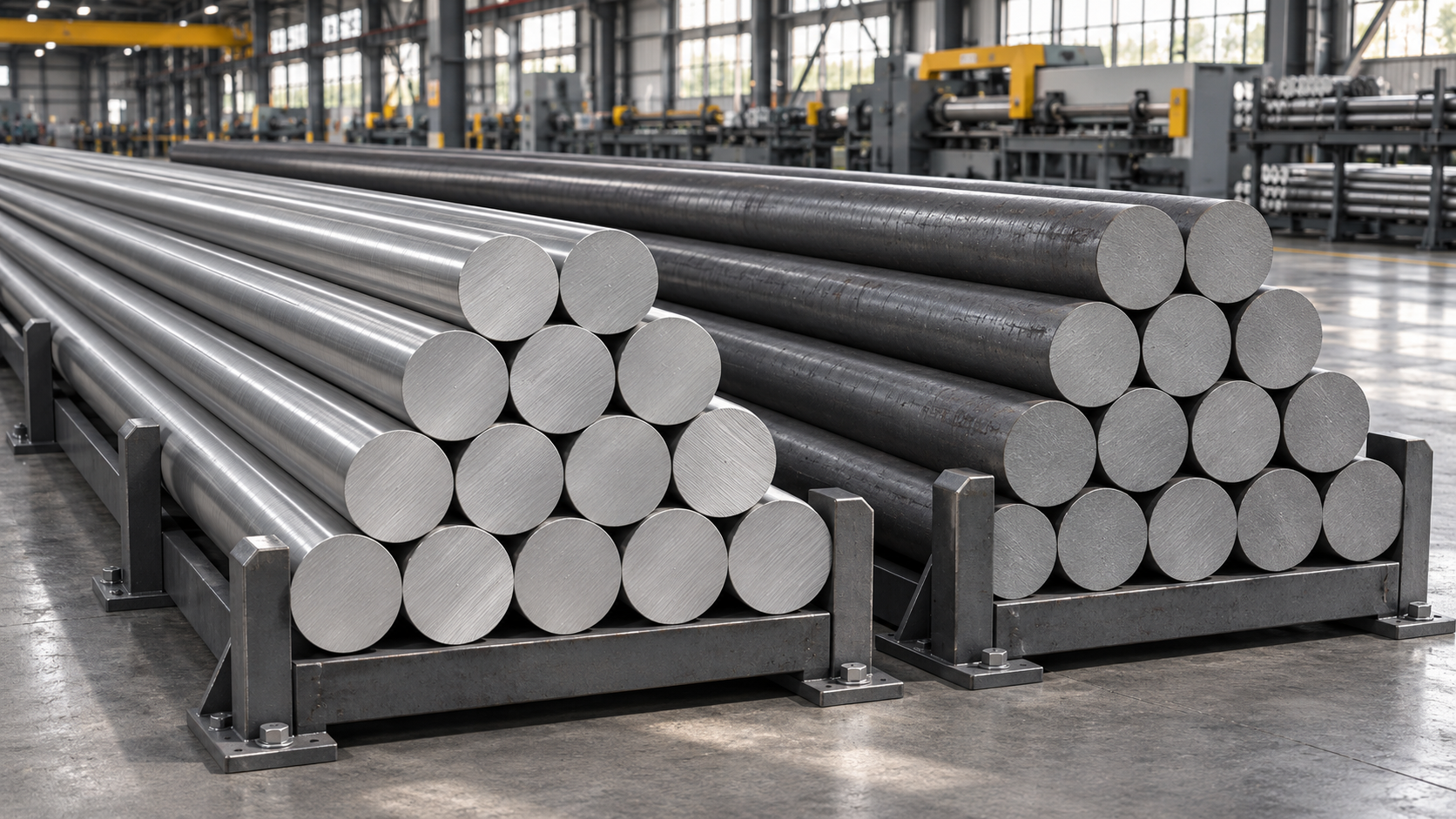
Spring steel plays an essential role in manufacturing components that require strength, elasticity and resistance to repeated loading. From automotive suspension systems to industrial machinery and agricultural equipment, selecting the right steel material directly affects product performance and service life. Spring Steel Round Bars are widely preferred for manufacturing springs and other mechanical components because of their ability to withstand repeated stress when properly processed and heat-treated.
However, choosing suitable spring steel involves more than selecting a diameter or grade. Buyers must consider chemical composition, mechanical properties, surface quality, decarburisation and manufacturing requirements. Understanding these factors helps businesses source materials that meet their application-specific needs.
Spring steel round bars are solid cylindrical steel products manufactured using spring steel grades designed to offer suitable elasticity, strength and fatigue resistance. These materials are commonly used in applications where components experience repeated bending, compression, tension or vibration.
Depending on the grade and processing method, spring steel can achieve the mechanical properties required for demanding industrial applications. Silicon, manganese and chromium are among the alloying elements used in different spring steel compositions to influence strength, hardenability and other performance characteristics.
Commonly used spring steel grades include EN45, EN45A, EN47, 60Si7 and SUP9. The appropriate grade depends on the intended application, heat-treatment process and required mechanical properties.
Understanding the properties of spring steel is important when selecting materials for industrial production.
Spring steel is designed to deform under an applied load and return towards its original shape when the load is removed, provided the material remains within its elastic limit. This characteristic makes it suitable for manufacturing mechanical springs and suspension components.
Industrial springs often experience thousands or millions of loading cycles. Suitable spring steel grades, combined with appropriate heat treatment and surface finishing, help components withstand repeated stress and reduce premature fatigue failure.
Spring steel can achieve high strength and hardness through controlled heat treatment. These characteristics support applications involving repeated mechanical loads, although the required balance depends on the component design.
Surface imperfections, scratches and decarburisation can affect fatigue performance. Buyers should evaluate surface condition and inspection requirements before selecting material for critical applications.
Spring steel round bars are used across several industrial sectors because of their mechanical properties and processing versatility.
Automotive manufacturers use spring steel in suspension springs, stabilizer components and other load-bearing spring applications. Proper material selection helps maintain consistent performance under repeated road-induced stresses.
Railway systems use spring steel components in suspension and mechanical assemblies. These components must withstand continuous vibration and repeated loading during operation.
Agricultural machinery requires durable components that can operate under changing loads and demanding field conditions. Spring steel is used in applications such as cultivator tines and agricultural spring assemblies.
Manufacturers use spring steel for compression springs, mechanical springs, retaining components and other engineered parts that require controlled elasticity and strength.
The choice between hot-rolled and peeled bars depends on the component's manufacturing process and dimensional requirements.
Hot-rolled spring steel round bars are generally suitable for applications where subsequent machining and surface preparation are part of production. They typically retain a mill-scale surface.
Peeled spring steel round bars have their outer surface layer removed through a machining process. This provides a cleaner surface finish and improved dimensional consistency, making them useful where surface condition and machining requirements are important.
Steel buyers should compare dimensional tolerances, straightness, surface condition and inspection requirements before finalizing their purchase.
Selecting the right material requires evaluating several technical and commercial factors.
Grade selection: Choose a suitable grade based on the component's design, mechanical requirements and heat-treatment process.
Diameter and length: Confirm the required dimensions and tolerances before placing an order.
Decarburisation: Excessive decarburisation can reduce surface hardness and negatively affect fatigue performance in certain applications.
Mechanical properties: Review tensile strength, yield strength, hardness and elongation requirements where applicable.
Testing documentation: Request a Mill Test Certificate (MTC) to verify the supplied material's chemical composition and relevant test results.
Working with an experienced Spring Steel Round Bars Supplier helps businesses source materials according to their manufacturing requirements. Industrial buyers should look beyond pricing and evaluate product knowledge, grade availability, quality documentation and order fulfilment capabilities.
Steel Exchange, operated by TSB Global LLP, offers spring steel round bars in hot-rolled and peeled conditions. Its product offering includes different diameter options, customized cut-to-length requirements and material documentation.
Spring steel round bars are important materials for manufacturing components that require elasticity, strength and resistance to repeated mechanical loading. Their applications extend across automotive, railway, agricultural and industrial engineering sectors.
Choosing the right grade, surface condition and dimensions is essential for achieving the required component performance. Buyers should also evaluate decarburisation, mechanical properties, testing documentation and supplier capabilities before making procurement decisions.
Partnering with a knowledgeable supplier such as Steel Exchange can simplify material sourcing and help businesses identify suitable spring steel products for their industrial requirements.
Spring steel round bars are used to manufacture suspension components, mechanical springs, agricultural tines, railway spring assemblies and industrial machinery parts that require elasticity and resistance to repeated loading.
Common grades include EN45, EN45A, EN47, 60Si7 and SUP9. The correct grade depends on the application, required mechanical properties and heat-treatment specifications.
Hot-rolled bars generally have a mill-scale surface, whereas peeled bars undergo surface machining to remove the outer layer and achieve improved surface finish and dimensional consistency.
Decarburisation reduces carbon content near the steel surface. Excessive decarburisation can lower surface hardness and negatively influence fatigue performance, making testing important for critical spring applications.
Buyers should evaluate grade availability, dimensional accuracy, material testing documentation, surface quality, traceability, customization options and delivery capabilities before choosing a supplier.
Yes. Depending on stock availability and supplier capabilities, spring steel round bars can be sourced in different diameters and customized cut-to-length sizes to meet specific manufacturing requirements.