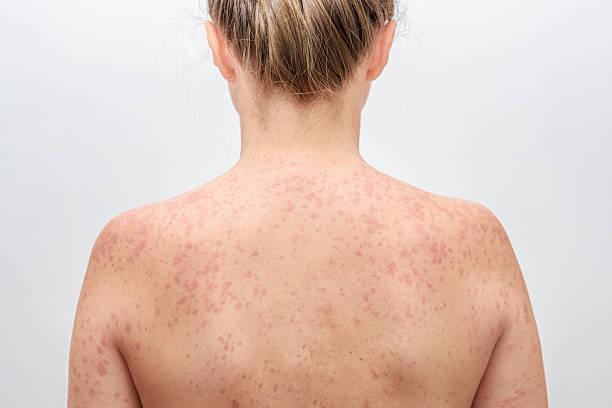
Back acne is more than an occasional inconvenience. It can leave behind dark marks, rough texture, and scarring that outlast the breakouts themselves. Treating it well means addressing both the active acne and the aftermath— How to Treat Back Acne and Its Effects? the uneven surface and discoloration that make skin look and feel less smooth. explains how to treat back acne and improve skin texture over time, with realistic expectations for each stage.
Step One: Control Active Breakouts
Why It Comes First
You can't improve texture while new breakouts are forming. Active acne creates fresh inflammation and new pigmentation, undoing progress.
Salicylic Acid Body Wash
A body wash containing salicylic acid helps unclog pores. Use it consistently, especially after sweating.
Benzoyl Peroxide
For inflammatory acne, benzoyl peroxide helps reduce bacteria and inflammation. Start with lower concentrations to avoid irritation.
Prescription Options
For moderate to severe acne, prescription retinoids, oral antibiotics, or hormonal treatments may be necessary.
Avoid Picking and Squeezing
Manual extraction deepens inflammation and increases the risk of scarring.
Step Two: Reduce Friction and Sweat
Shower After Sweating
Rinse off sweat promptly and change into clean clothing.
Wear Breathable Fabrics
Cotton and moisture-wicking fabrics reduce sweat retention and friction.
Avoid Tight Clothing and Heavy Backpacks
Friction from straps and tight garments contributes to breakouts.
Choose Non-Comedogenic Products
Body lotions, sunscreens, and hair products should be labelled non-comedogenic.
Step Three: Improve Texture
Chemical Exfoliation
Gentle alpha-hydroxy acids like lactic acid or glycolic acid help smooth texture and prevent clogged pores. Avoid harsh scrubs.
Retinoids
Prescription retinoids support cell turnover and collagen production, improving both acne and texture over time.
Microneedling
Stimulates collagen and improves texture and scarring. Multiple sessions are usually needed.
Laser Resurfacing
Fractional lasers improve texture, scarring, and pigmentation.
Moisturise
Keeping skin hydrated supports the barrier and improves texture.
Step Four: Fade Dark Spots
Brightening Ingredients
Niacinamide, azelaic acid, and vitamin C help fade post-inflammatory hyperpigmentation.
Chemical Peels
Gentle peels improve pigmentation and texture.
Sun Protection
UV exposure darkens marks and slows fading. Daily sunscreen is essential.
Realistic Expectations
Pigmentation fades over weeks to months. Consistency matters.
Step Five: Prevent Recurrence
Maintain Your Routine
Consistency is key. Skipping treatments leads to new breakouts.
Manage Stress
Chronic stress can worsen acne.
Healthy Diet and Hydration
Support skin health from within.
Regular Follow-Ups
Professional check-ins help adjust treatment as needed.
When to Seek Professional Help
Persistent Acne
If over-the-counter treatments haven't worked after eight to twelve weeks.
Nodulocystic Acne
Deep, painful lesions require prescription treatment.
Scarring
Early treatment of scarring is easier than mature scars.
Personalized Planning
A consultation ensures accurate assessment and appropriate treatment.
Questions to Ask During Consultation
About Diagnosis
"What's causing my back acne?"
About Treatment
"Which treatment suits my acne and texture concerns?"
About Dark Spots
"How can I fade post-acne marks?"
About Prevention
"What habits will help prevent breakouts?"
About Longevity
"How long until I see results?"
Book an Appointment Consultation Clinic
For those seeking expert guidance and customized aesthetic care, you can book an appointment consultation at the Enfield Royal Riyadh. A personalised consultation helps identify the cause of your back acne and plan effective treatment.
FAQs
Can back acne be cured?
It can be effectively managed, though some people experience recurrences that require ongoing care.
How do I improve skin texture after back acne?
Chemical exfoliation, retinoids, microneedling, and laser treatments can improve texture over time.
How long until I see results?
Most treatments need six to twelve weeks for meaningful improvement, with texture improving over months.
What helps prevent back acne?
Showering after sweating, wearing breathable fabrics, and using non-comedogenic products.
When should I see a professional?
If acne persists despite treatment or if scarring is developing. People researching how to get rid of back acne and dark spots should prioritise consistent care. Understanding How to Treat Back Acne and Its Effects? includes improving texture over time.
 Indonesia
 English
 Arabic
 French
 Spanish
 Portuguese
 Deutsch
 Turkish
 Dutch
 Italiano
 Russian
 Romaian
 Portuguese (Brazil)
 Greek