Indonesia
 English
 Arabic
 French
 Spanish
 Portuguese
 Deutsch
 Turkish
 Dutch
 Italiano
 Russian
 Romaian
 Portuguese (Brazil)
 Greek
Do You Need an Emergency Lighting Certificate in London?Businesses and Landlords
Other |
2026-10-29 07:33:20
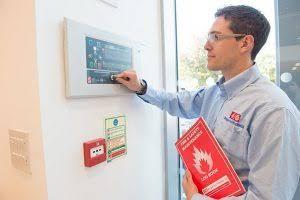
Emergency lighting is an essential part of building safety, helping people find safe escape routes when the normal lighting supply fails. Whether you own a commercial property, manage an office, operate a restaurant or are responsible for a residential building, ensuring that emergency lighting works correctly is vital for protecting occupants during an emergency.
An Emergency Lighting Certificate in London provides evidence of inspection, testing or maintenance carried out on an emergency lighting system. It can help property owners and responsible persons demonstrate that their lighting arrangements have been checked and that any identified issues are being addressed.
In this guide, we explain what an emergency lighting certificate is, who may need one, why testing matters and how to arrange professional emergency lighting inspection in London.
An emergency lighting certificate is a document issued following relevant inspection, testing or commissioning work on an emergency lighting system. The exact information it contains depends on the type of work completed and the certification provided.
Emergency lighting is designed to operate when the normal power supply fails. It illuminates escape routes, staircases, corridors, exits and other areas where adequate visibility is necessary for safe evacuation.
A certificate or associated inspection report may record:
Property owners should ensure that the documentation accurately reflects the work completed. A certificate alone does not guarantee that a system will remain functional or that every fire safety obligation has been met.
London contains a wide range of commercial, residential and public buildings, including offices, shops, hotels, restaurants, apartment blocks and industrial premises. In an emergency, a loss of normal lighting can make it difficult for occupants to identify exits or navigate stairs and corridors.
Emergency lighting helps reduce this danger by providing illumination when normal lighting fails.
The main benefits include:
1. Safer evacuation: Emergency lighting helps occupants locate escape routes and exits during a power failure or other emergency.
2. Support for fire safety compliance: Appropriate emergency lighting and documented maintenance help responsible persons demonstrate that fire safety arrangements are being managed.
3. Improved visibility: Lighting can help people identify changes in floor level, stairs, obstacles and exit signs.
4. Reduced risk of panic and injury: Clearer escape routes can help occupants move towards safety more confidently.
5. Better maintenance records: Inspection reports and certificates provide useful evidence of testing, defects and corrective actions.
Whether a particular certificate is required depends on the building, the work performed and the applicable standards or contractual requirements.
Emergency lighting may be necessary where normal lighting failure could create a risk to occupants or where it is needed to support safe evacuation.
Properties that may require emergency lighting inspection and testing include:
Under the Regulatory Reform (Fire Safety) Order 2005, the responsible person for relevant premises must ensure that suitable fire safety precautions are provided and maintained. Emergency lighting requirements depend on the building's circumstances and fire risk assessment.
Landlords, facilities managers, employers and building owners should establish which duties apply to their premises rather than assuming that every building has identical requirements.
A professional inspection assesses whether the emergency lighting system is suitable, functional and properly maintained. The scope depends on whether the visit involves routine testing, a periodic inspection, commissioning or remedial work.
The inspector checks the condition and positioning of emergency light fittings, illuminated exit signs and other relevant equipment.
They may identify damaged fittings, missing signs, visible defects or lights obstructed by furniture, storage or building alterations.
Functional testing checks whether emergency lights operate when the normal supply to the relevant lighting circuit is interrupted using an appropriate test procedure.
The results help identify fittings that fail to operate as intended.
Emergency lighting systems generally need to operate for the required period when the normal power supply fails. A duration test checks whether the system can provide the specified level of operation.
The appropriate duration depends on the building's requirements and the applicable design standard. Testing should be planned carefully because some batteries may need time to recharge afterwards.
The inspector considers whether emergency lighting adequately illuminates relevant escape routes, stairs, changes in level and exit points.
Exit signs should be visible, suitable for their locations and consistent with the building's evacuation arrangements.
If a fitting fails or another problem is discovered, the findings should be recorded. Recommendations may include replacing batteries, repairing faulty fittings, correcting signage or arranging further investigation.
Defects affecting safe evacuation should be prioritised and addressed promptly.
Emergency lighting should be inspected and tested at appropriate intervals in accordance with the applicable standard, system design, manufacturer's instructions and risk assessment.
For many premises, the maintenance approach follows BS 5266-1 and the relevant emergency lighting provisions of BS EN 50172.
A typical maintenance programme includes:
Testing frequencies should be confirmed for the particular installation. A certificate or test report should record the work performed and any defects found.
An emergency lighting certificate or inspection report relates to the inspection, testing or commissioning of the emergency lighting system.
An Electrical Installation Condition Report (EICR), by comparison, assesses the condition of the fixed electrical installation within the agreed scope of inspection.
Although both may involve electrical safety, they serve different purposes. An EICR does not automatically confirm that emergency lighting provides the required illumination or passes its duration tests.
Depending on the property, separate emergency lighting documentation may be necessary to demonstrate that the system has been inspected and maintained appropriately.
The cost of an emergency lighting inspection and certificate varies according to the size and layout of the property, the number of fittings, system complexity and the testing required.
A small commercial unit may require less inspection time than a large office, hotel or multi-storey residential building.
When requesting a quotation, ask whether the price includes the inspection, functional testing, duration testing, written documentation and any follow-up visit. Repairs, replacement batteries and defective fittings may incur additional charges.
Providing accurate information about the building and the number of emergency lights helps the contractor prepare a more suitable quotation.
Choose a competent contractor with relevant experience in emergency lighting inspection, testing and maintenance.
Before booking, ask about their qualifications, experience with your property type, testing procedures and the documentation they provide. Confirm whether the service includes a detailed report of any defects and clear recommendations for corrective work.
It is also useful to establish whether the contractor can carry out repairs and arrange retesting after remedial work.
Maintaining accurate records and addressing faults promptly helps support effective fire safety management.
If you manage a commercial property, rental building or workplace, regular emergency lighting maintenance can help ensure that escape routes remain visible when normal lighting fails.
Arranging a professional Emergency Lighting Certificate in London service can help you document inspections, identify defective equipment and plan necessary improvements.
Contact a competent emergency lighting contractor to discuss your property, the condition of your existing system and the testing documentation you require. Regular checks and timely repairs can help maintain a safer environment for employees, residents, customers and visitors.
An Emergency Lighting Certificate in London can provide important evidence that emergency lighting inspection, testing or commissioning work has been completed. Combined with regular maintenance, appropriate testing and prompt repairs, it helps property owners and responsible persons manage the risks associated with lighting failure.
Whether you manage an office, retail unit, residential building or hospitality venue, make emergency lighting maintenance part of your ongoing safety arrangements. Choose a competent contractor, retain accurate records and ensure that identified defects are addressed without unnecessary delay.
The legal duties relate to providing and maintaining appropriate fire safety precautions, including emergency lighting where necessary. The precise certificate or report required depends on the premises, applicable standards and work performed.
A suitably competent person or contractor can provide relevant inspection, testing or commissioning documentation within their competence and the scope of work undertaken.
Testing should follow the applicable standard, system design, manufacturer's instructions and risk assessment. Many systems require routine checks, periodic functional testing and a full-duration test at appropriate intervals, often annually.
Prices depend on the number of fittings, property size, system complexity and required tests. Request a quotation that clearly identifies what is included and whether repairs cost extra.
Not automatically. An EICR assesses the fixed electrical installation within its scope, while emergency lighting inspection and testing assess the operation and performance of the emergency lighting system.
The defect should be recorded, its impact on safe evacuation assessed and suitable corrective action arranged promptly. Repairs and retesting may be needed before the system can be confirmed as functioning correctly.
Requirements depend on the property and its fire safety arrangements. Landlords and building managers should assess whether emergency lighting is necessary and maintain suitable records of relevant inspections and tests.
Keep the inspection or test report, relevant certificates, maintenance records, details of defects and evidence of remedial work. These documents help demonstrate that the system is being managed and maintained appropriately.